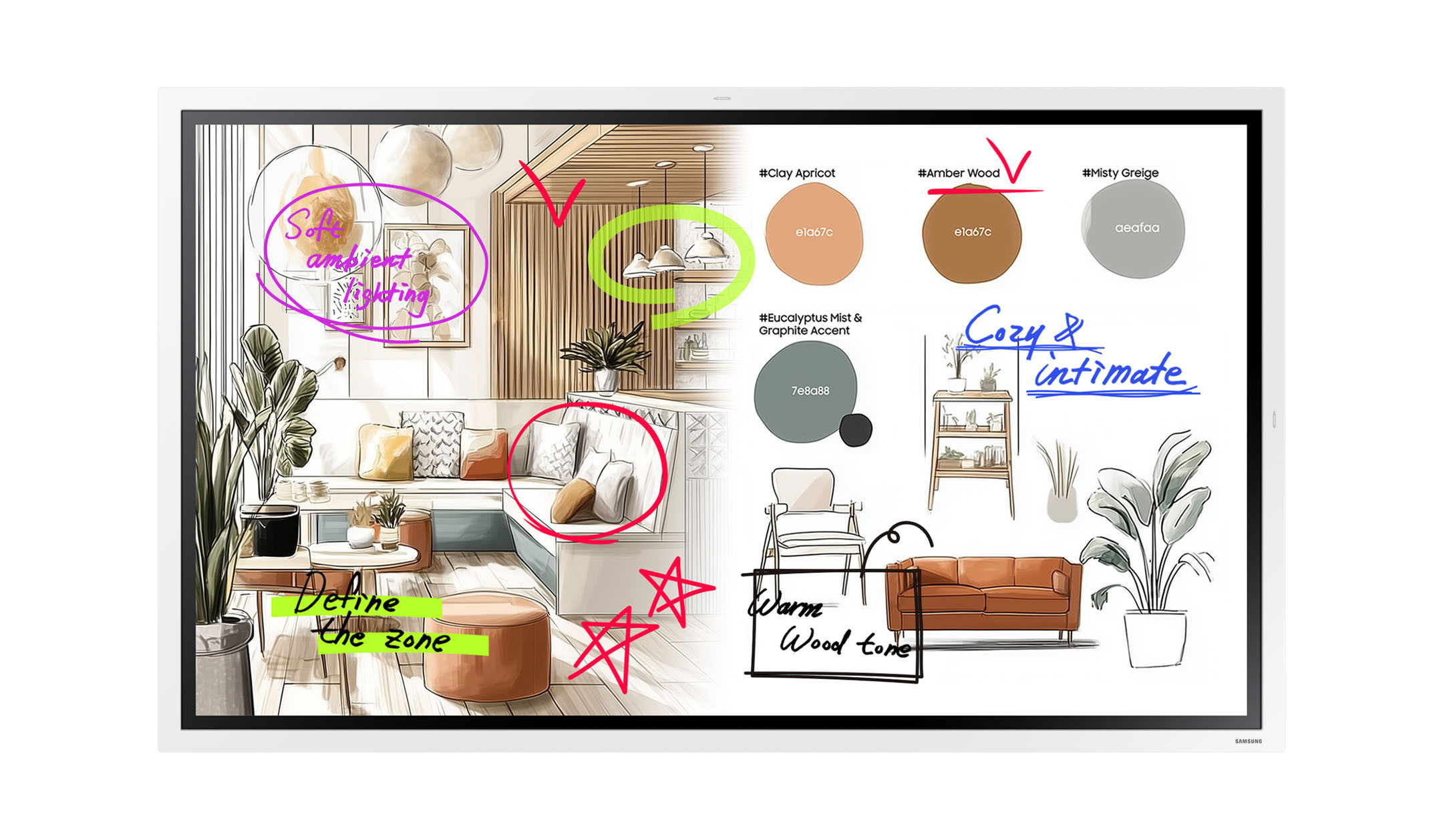
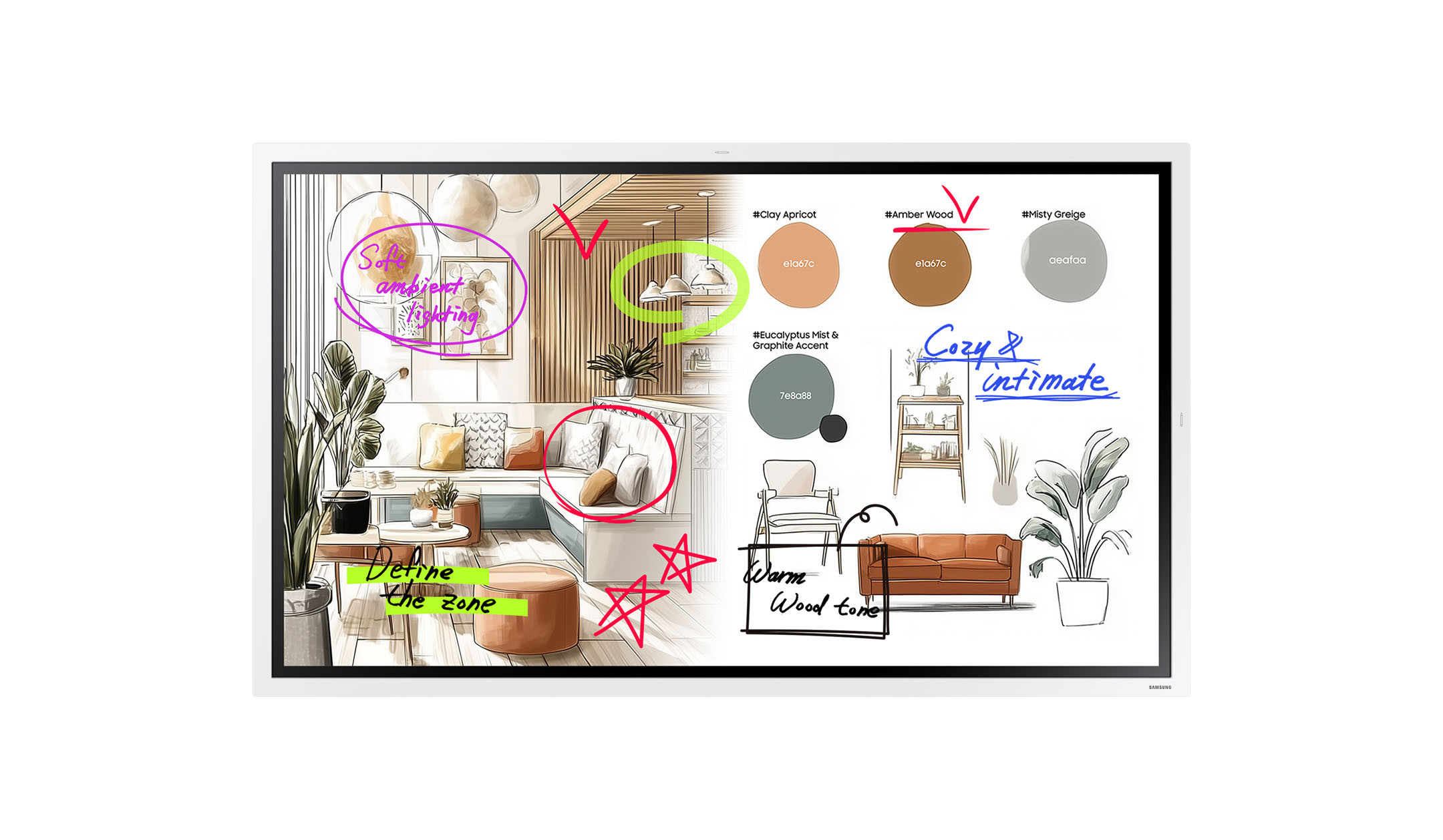
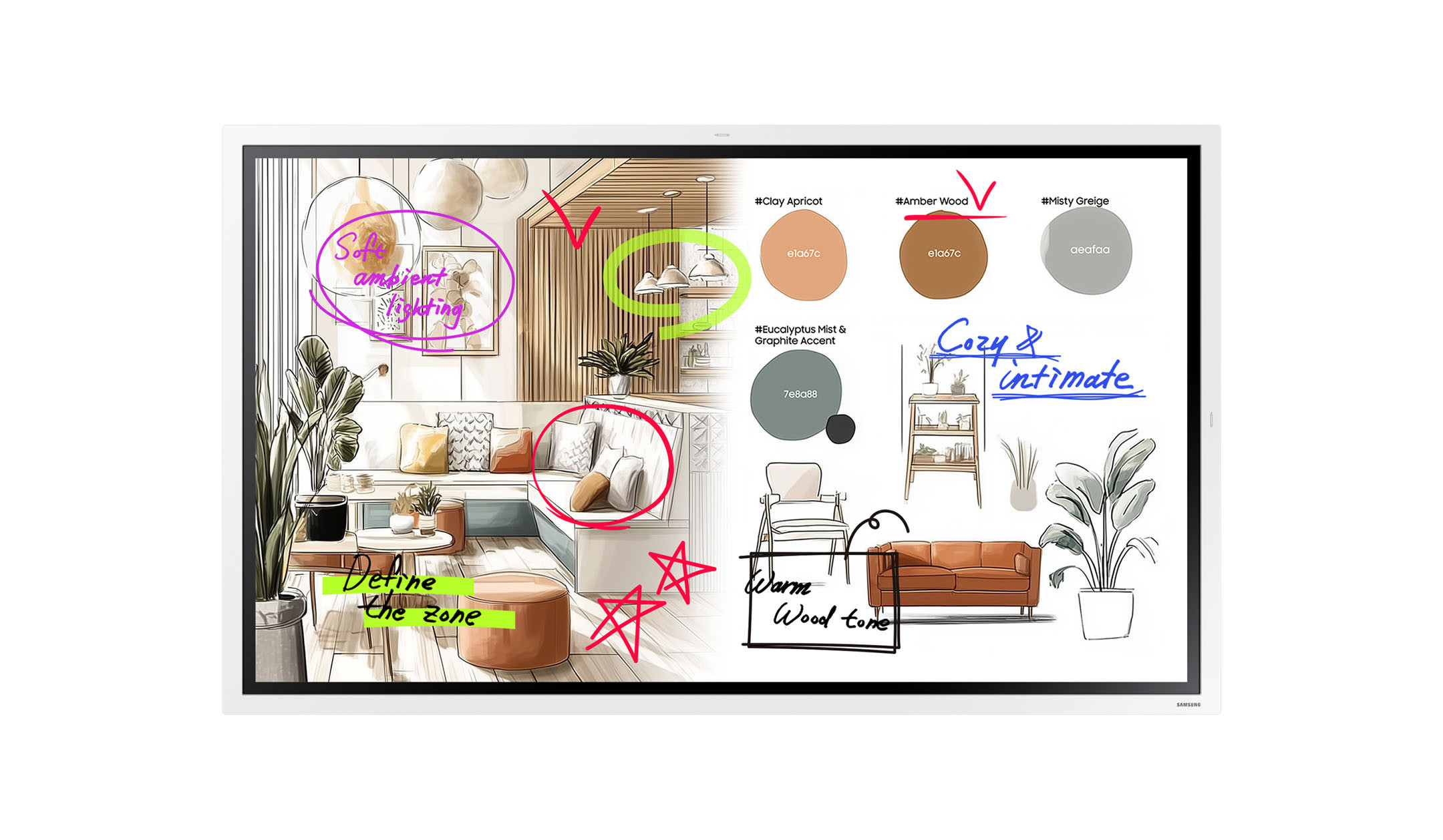
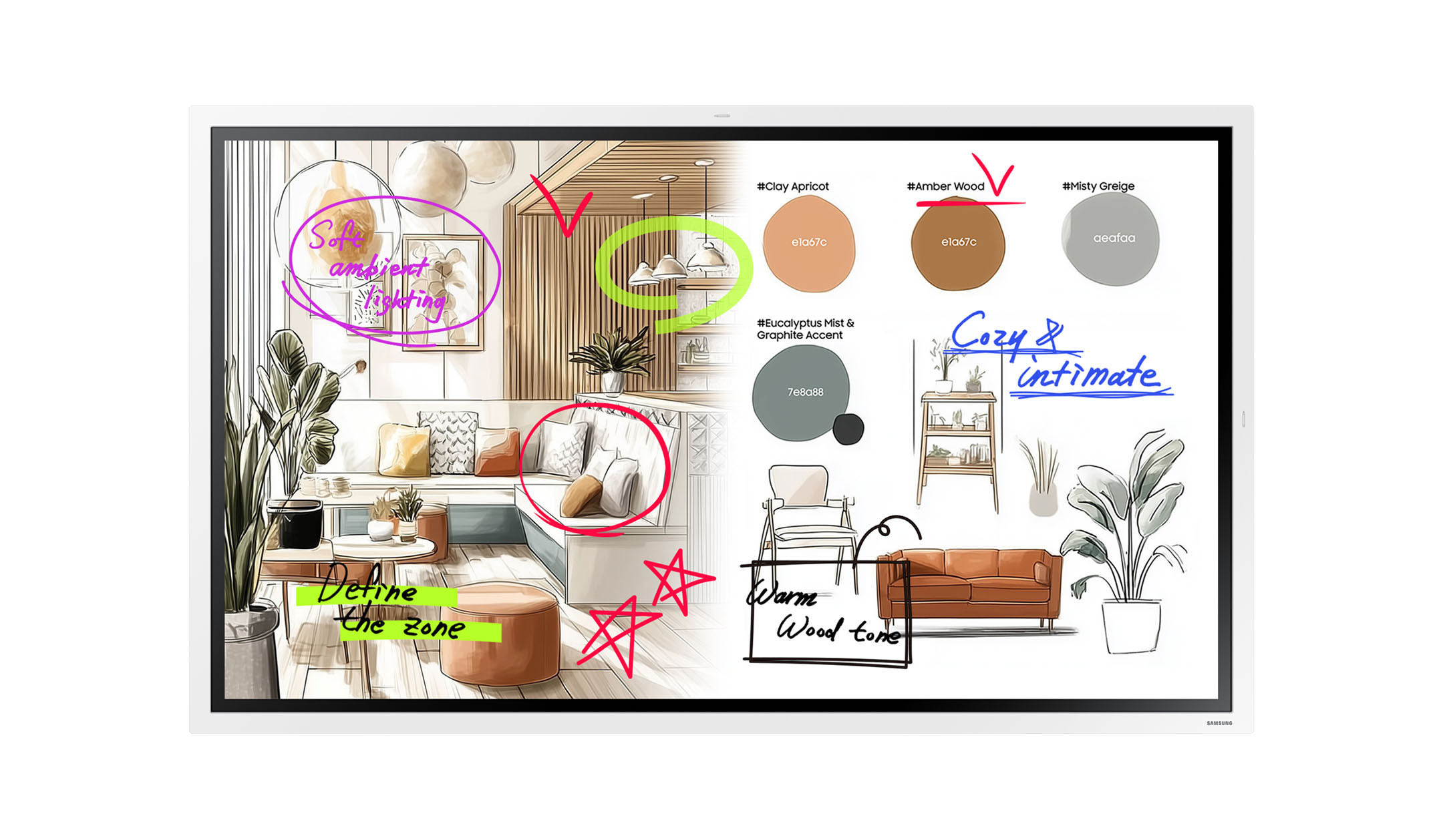
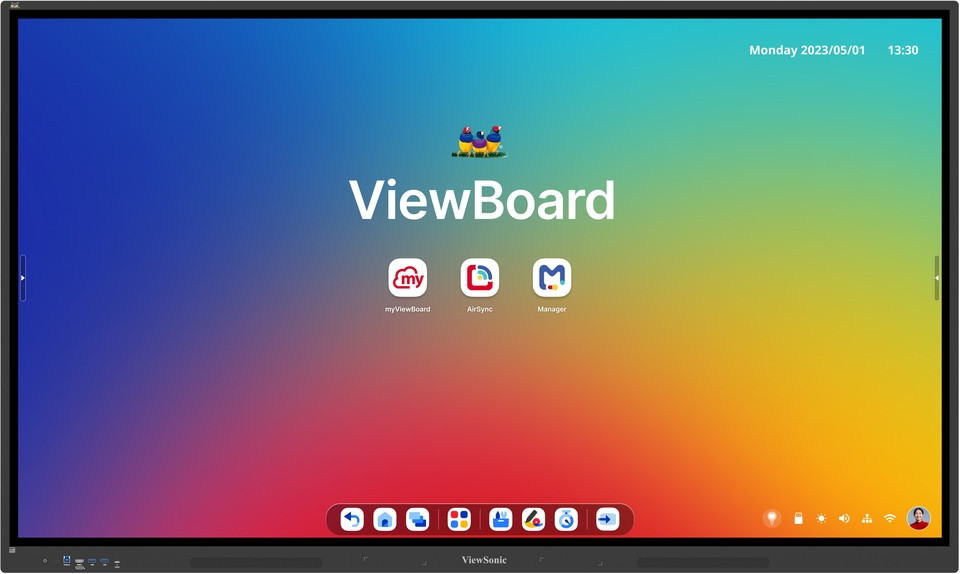
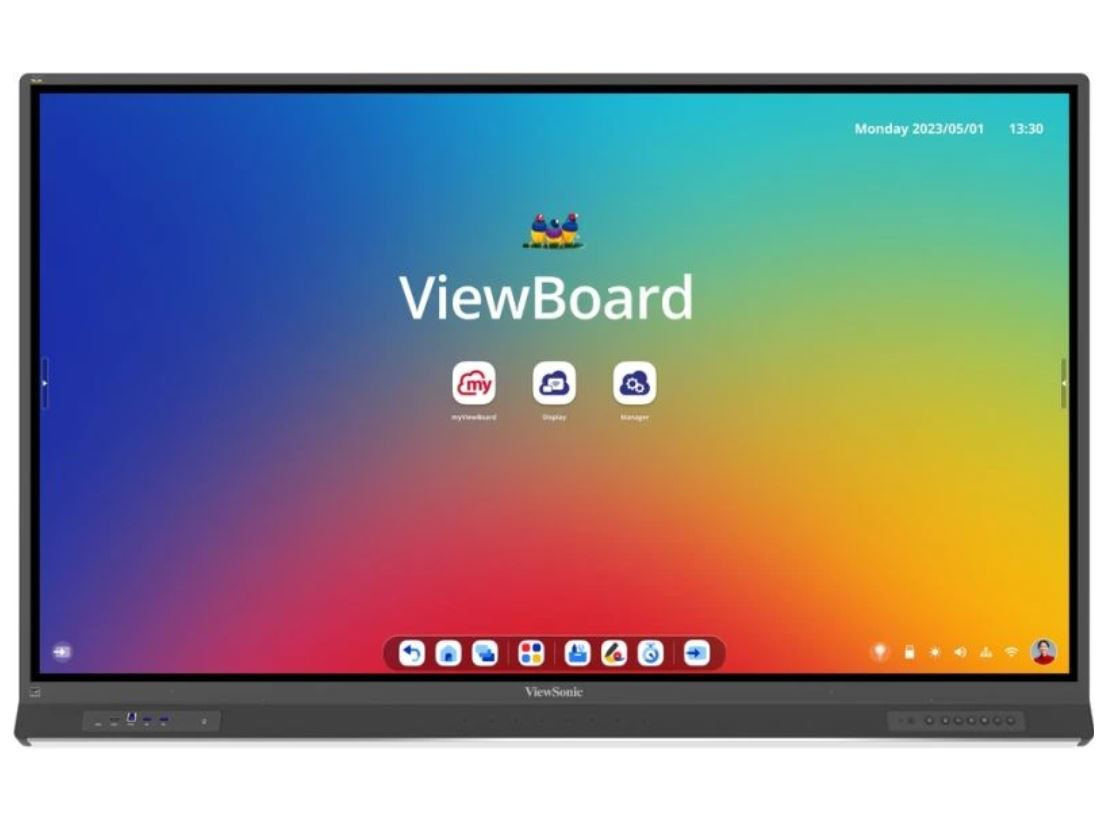
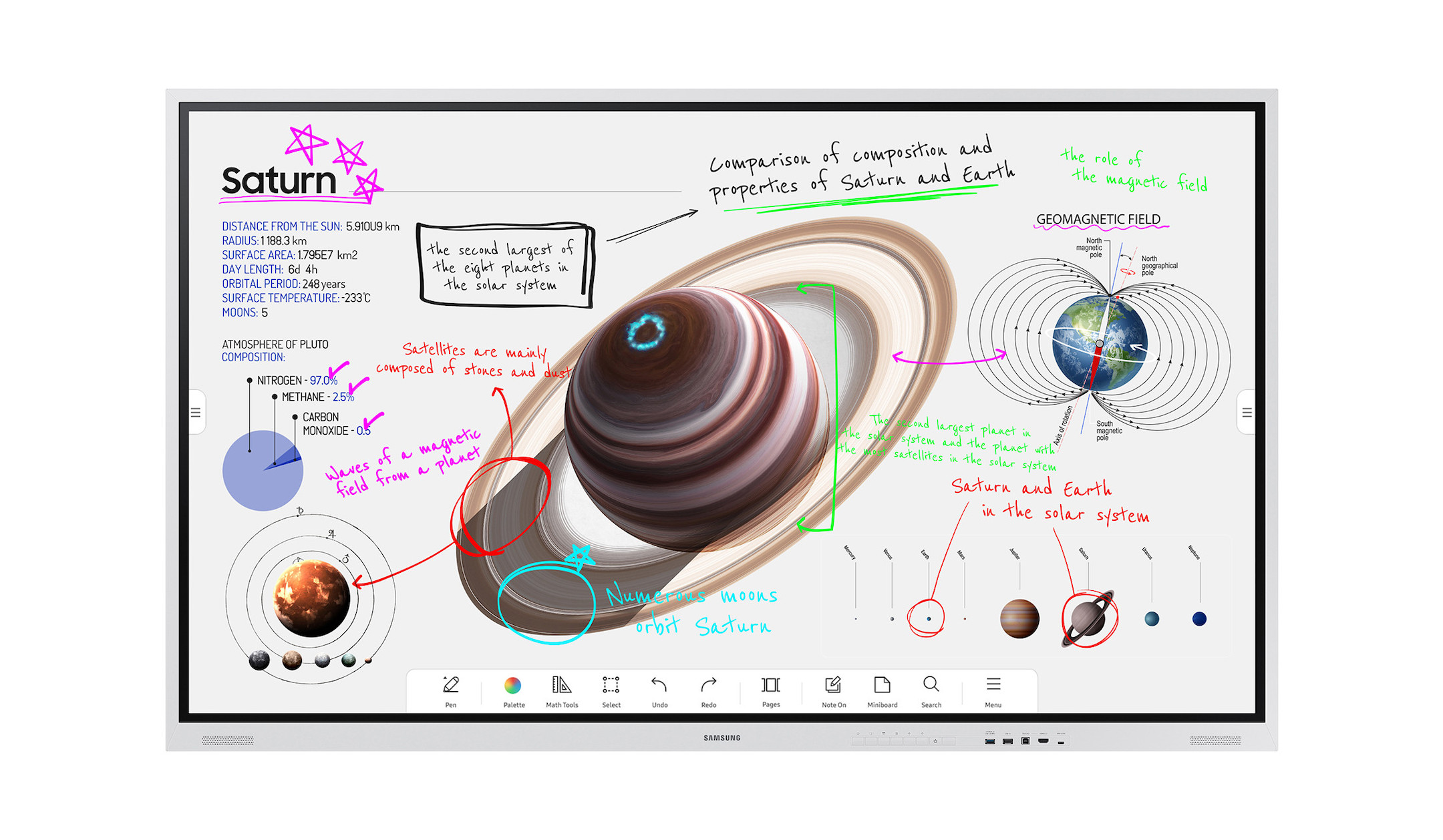
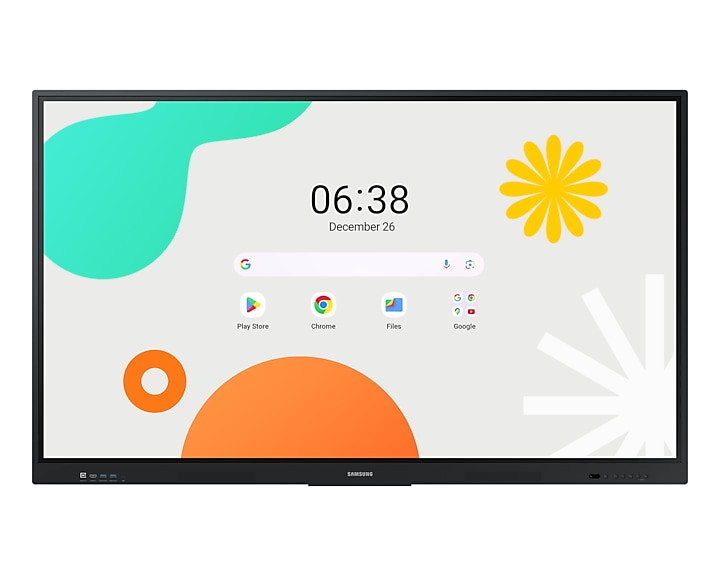
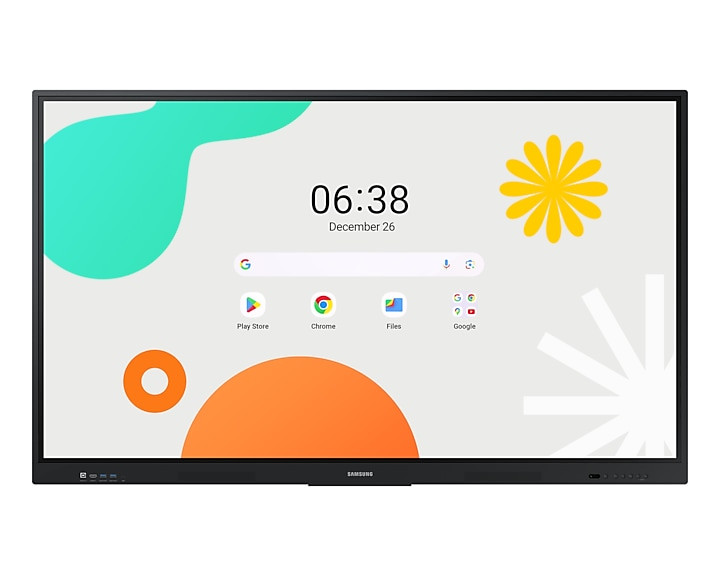
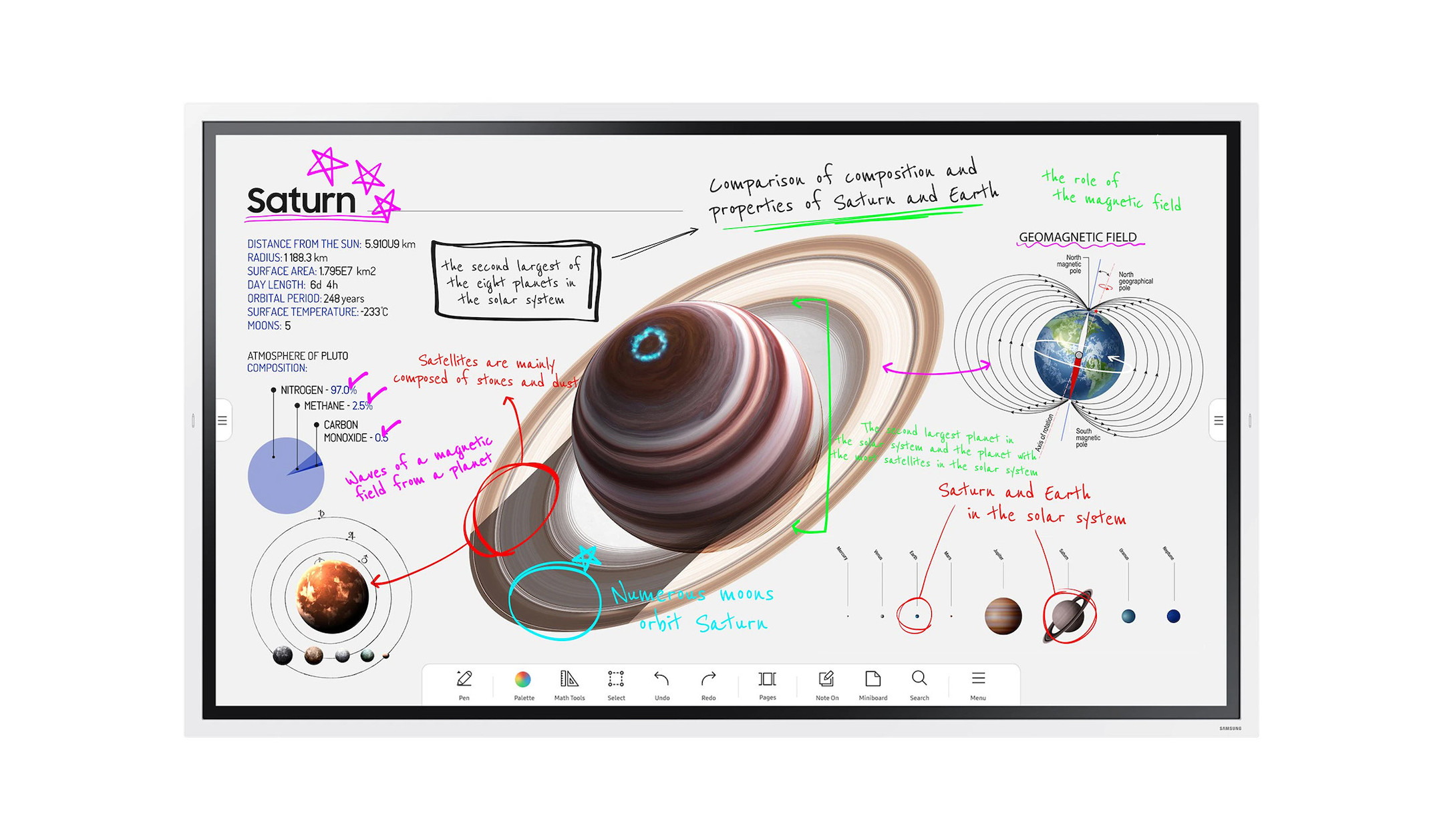
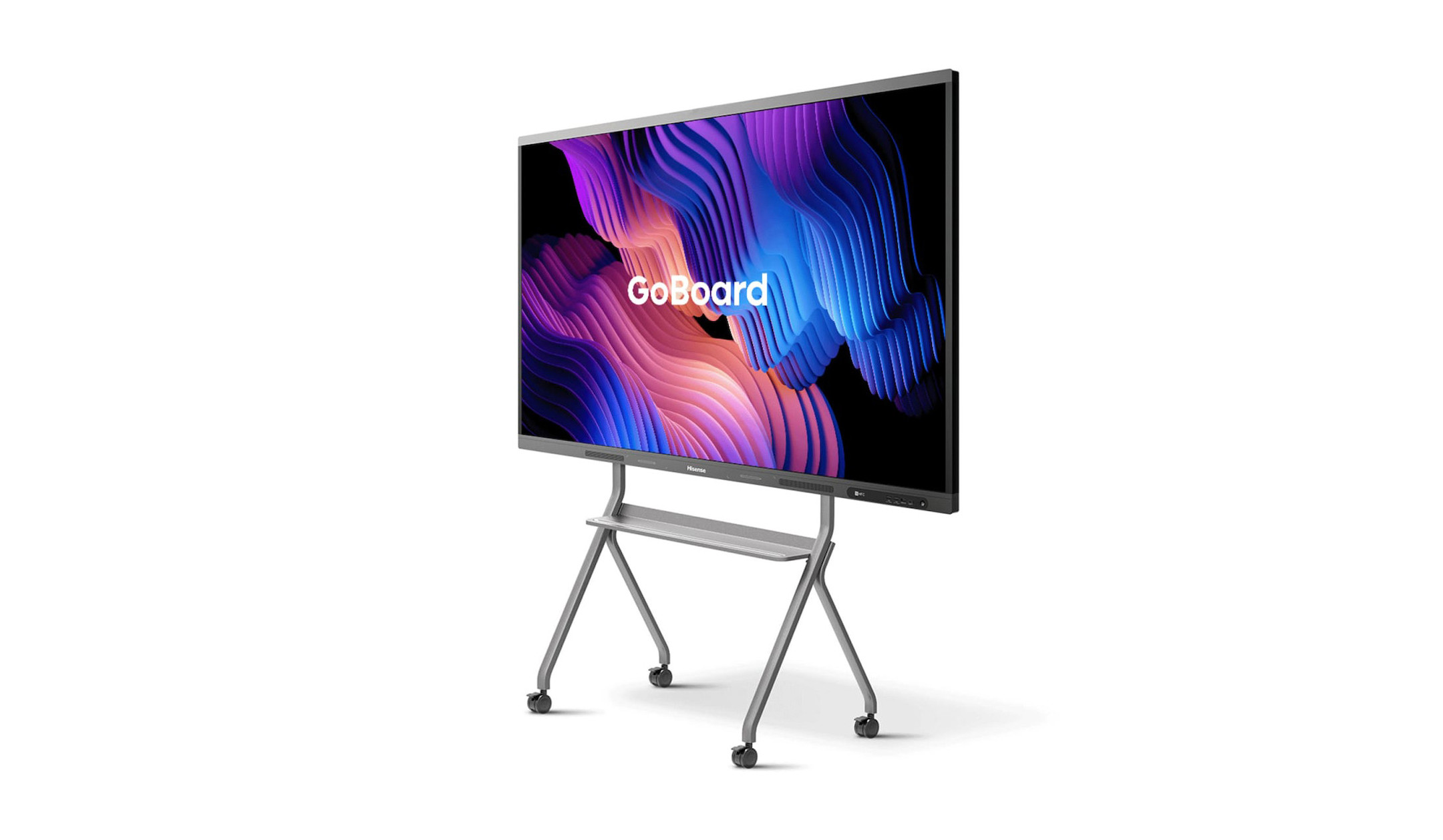
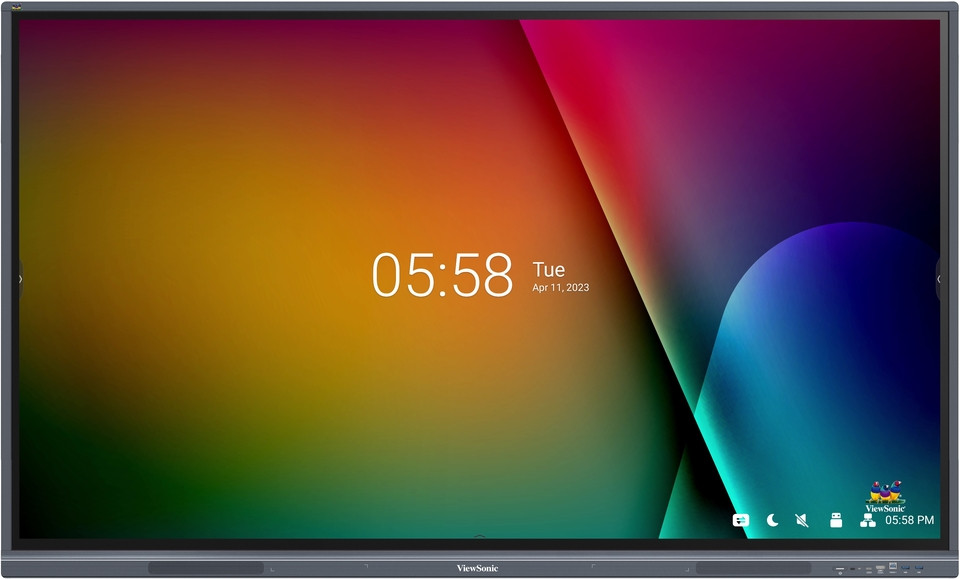
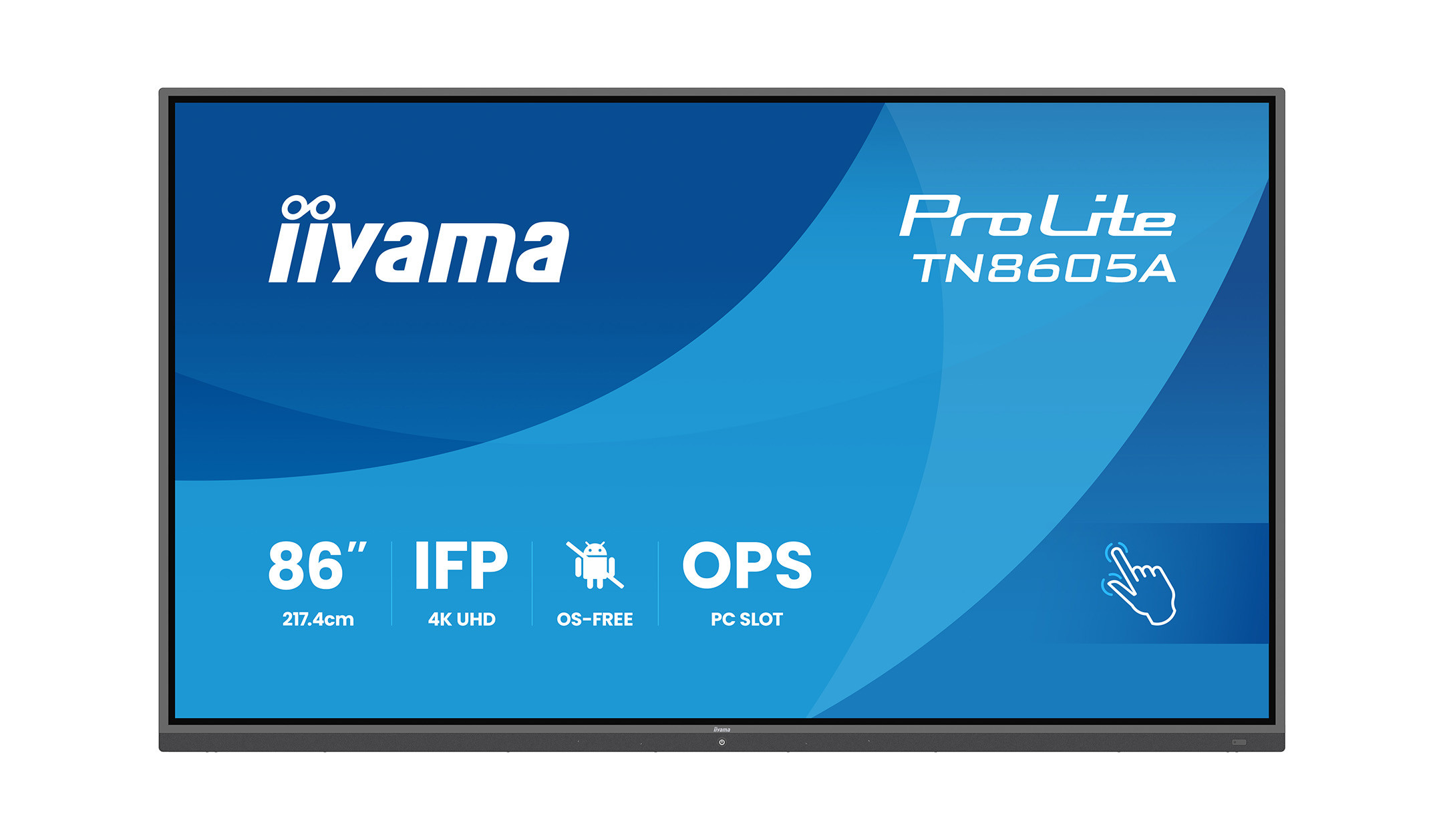
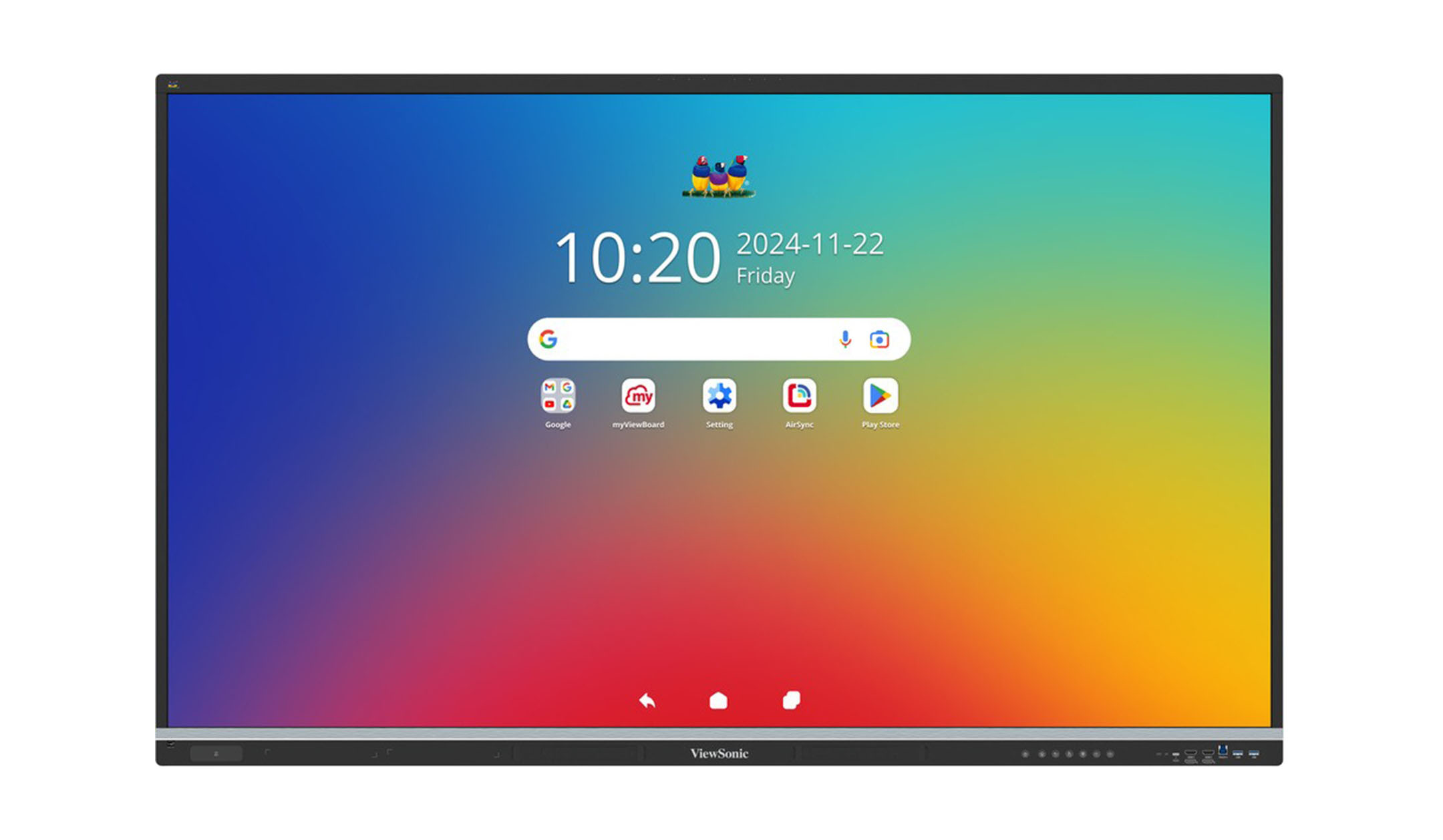
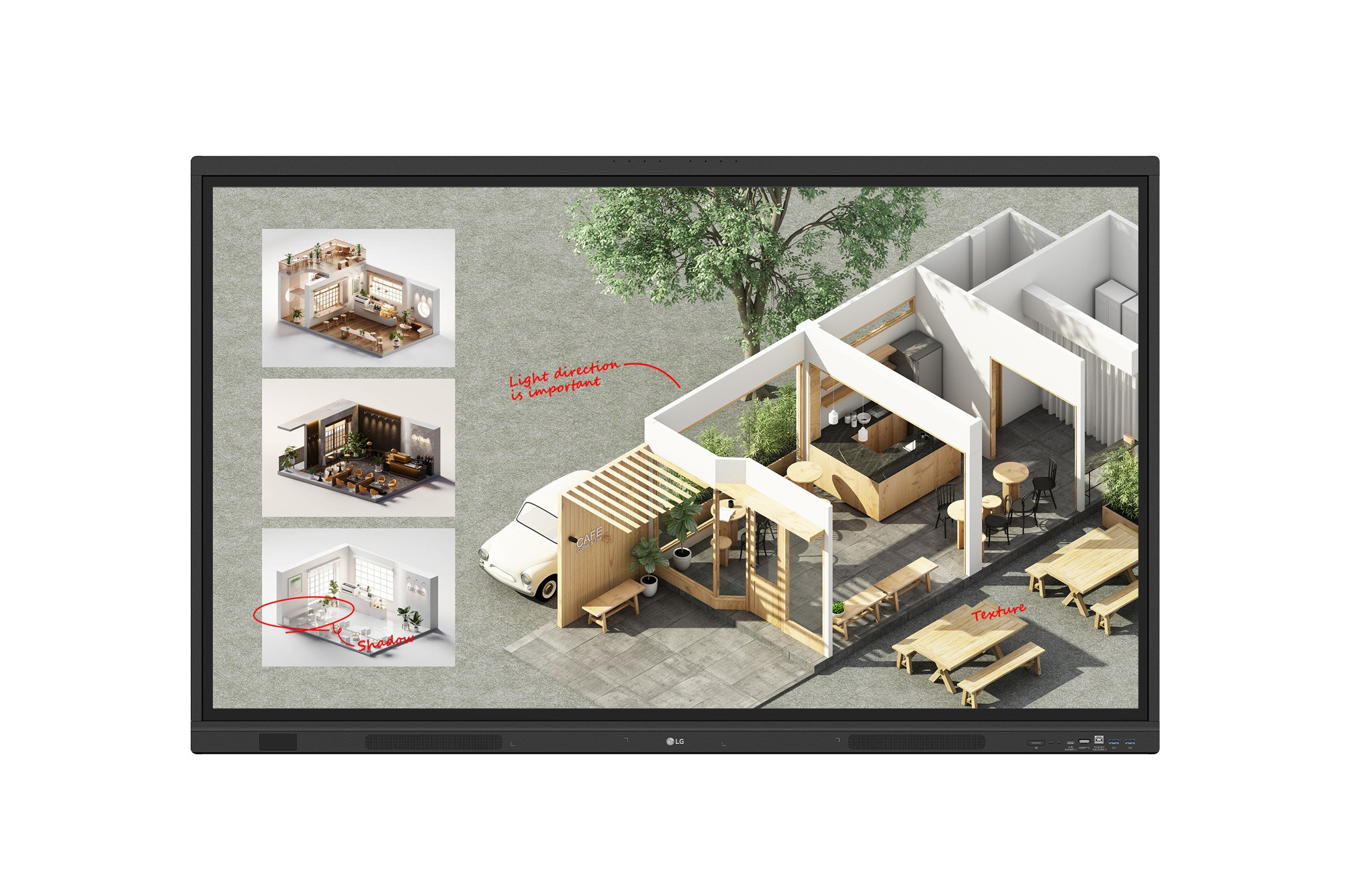
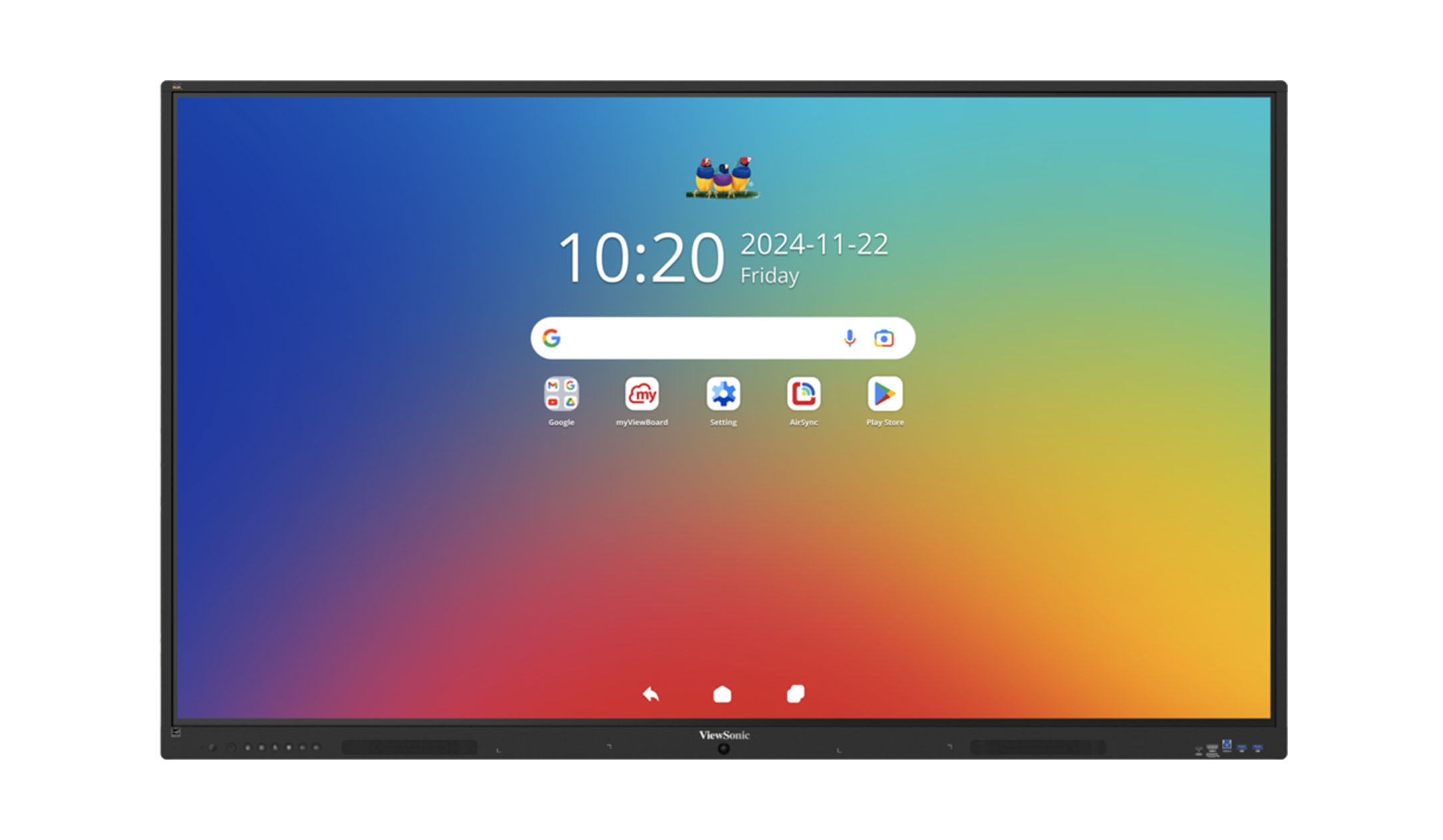
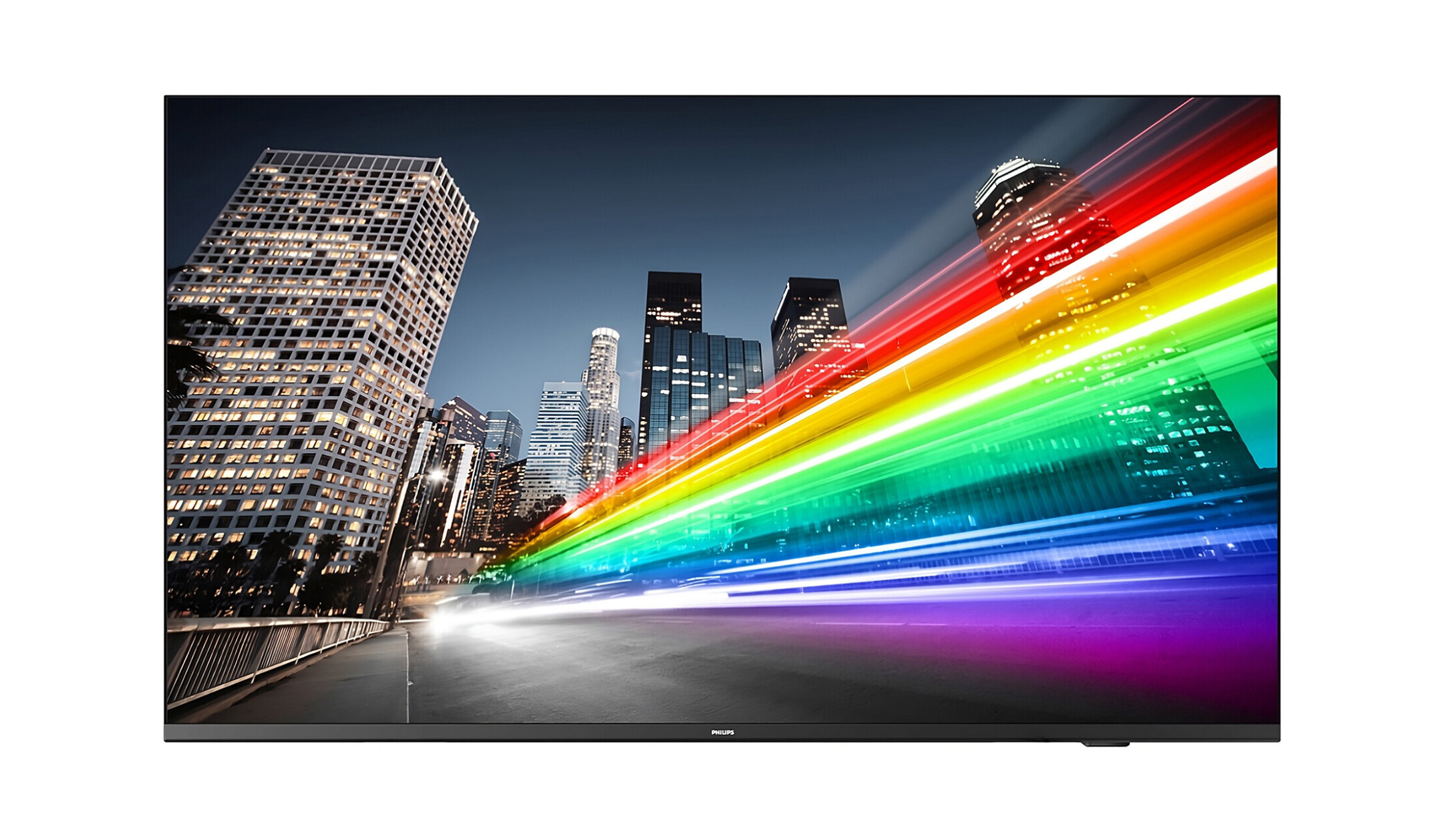
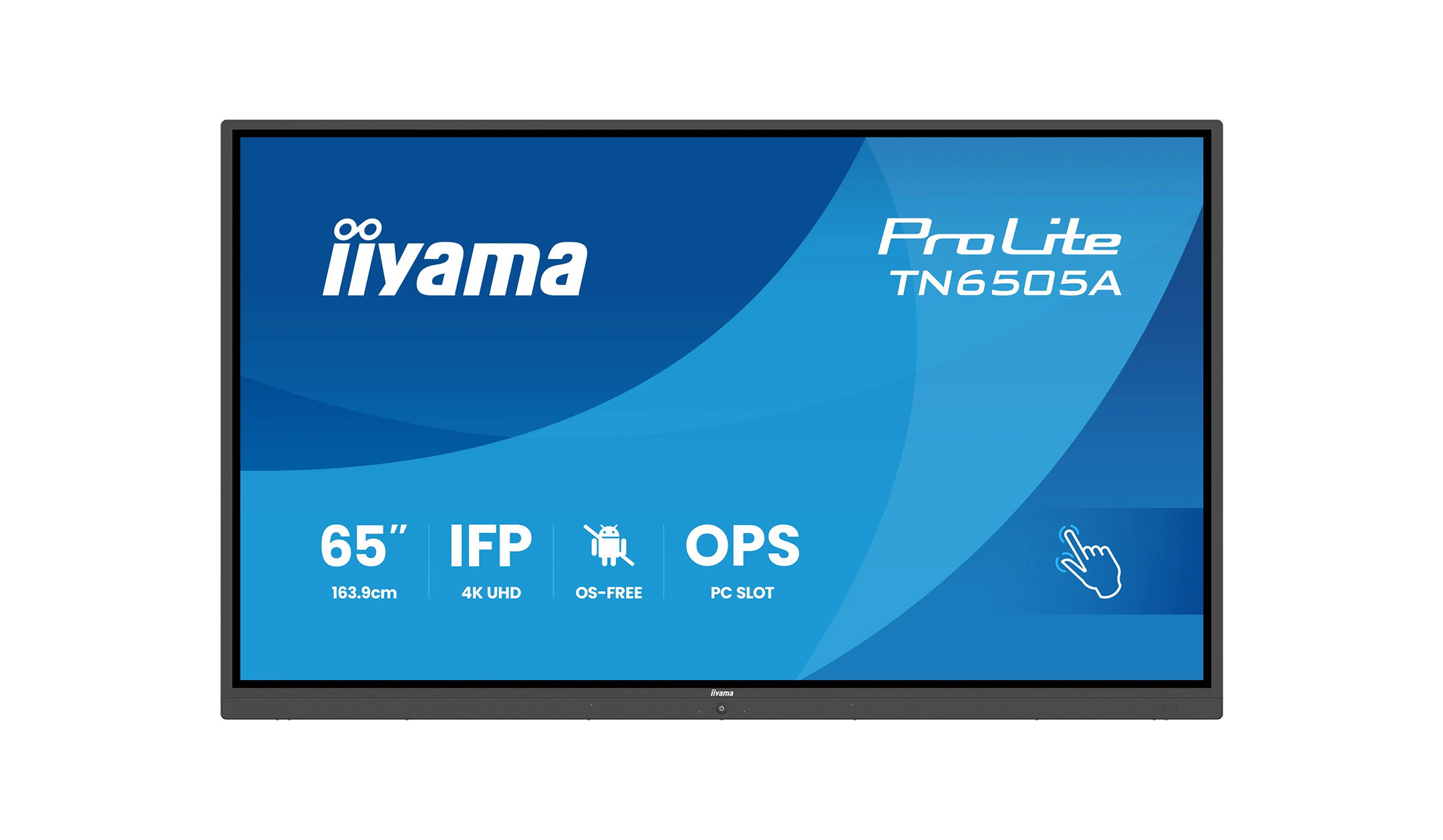
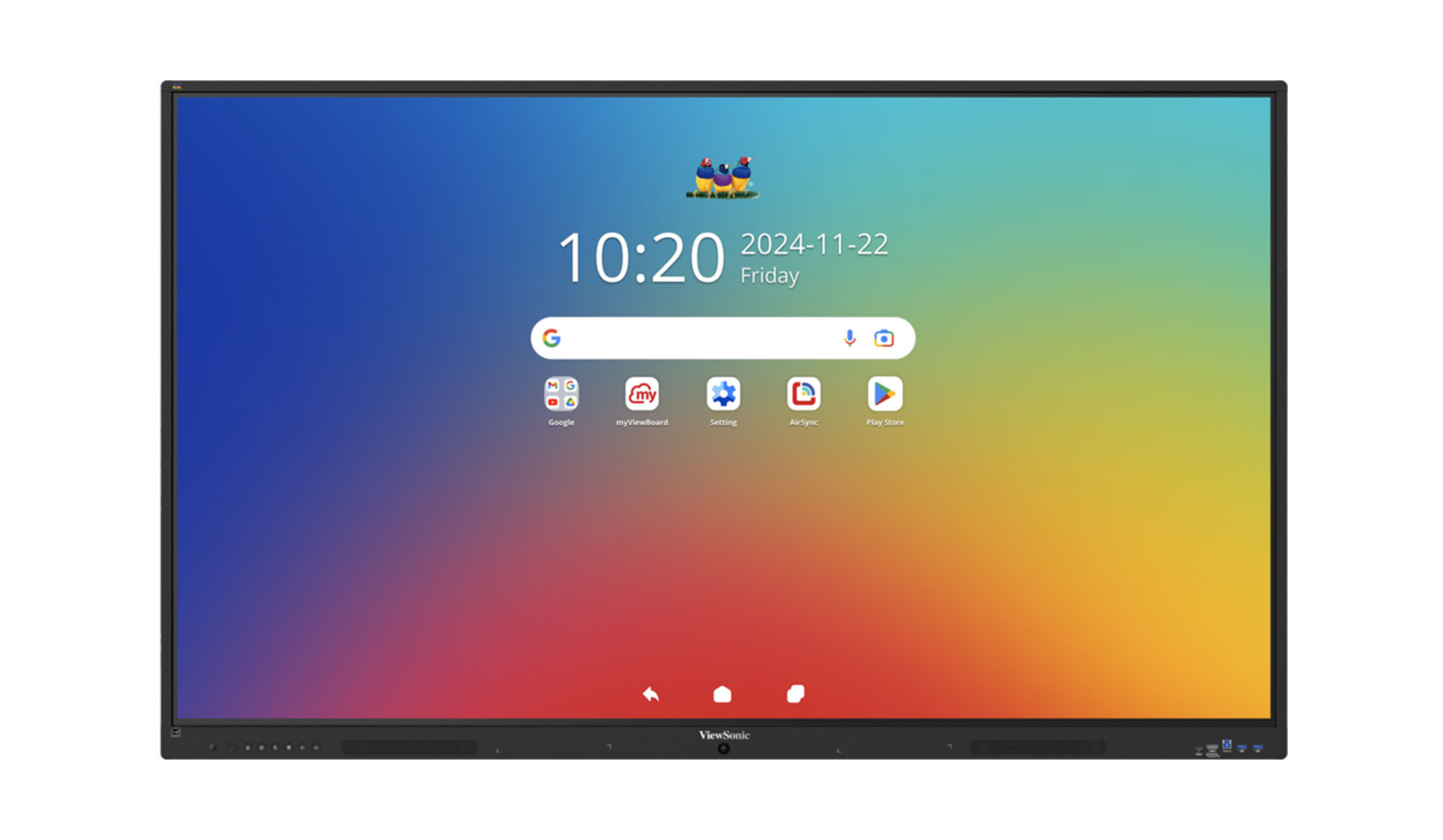
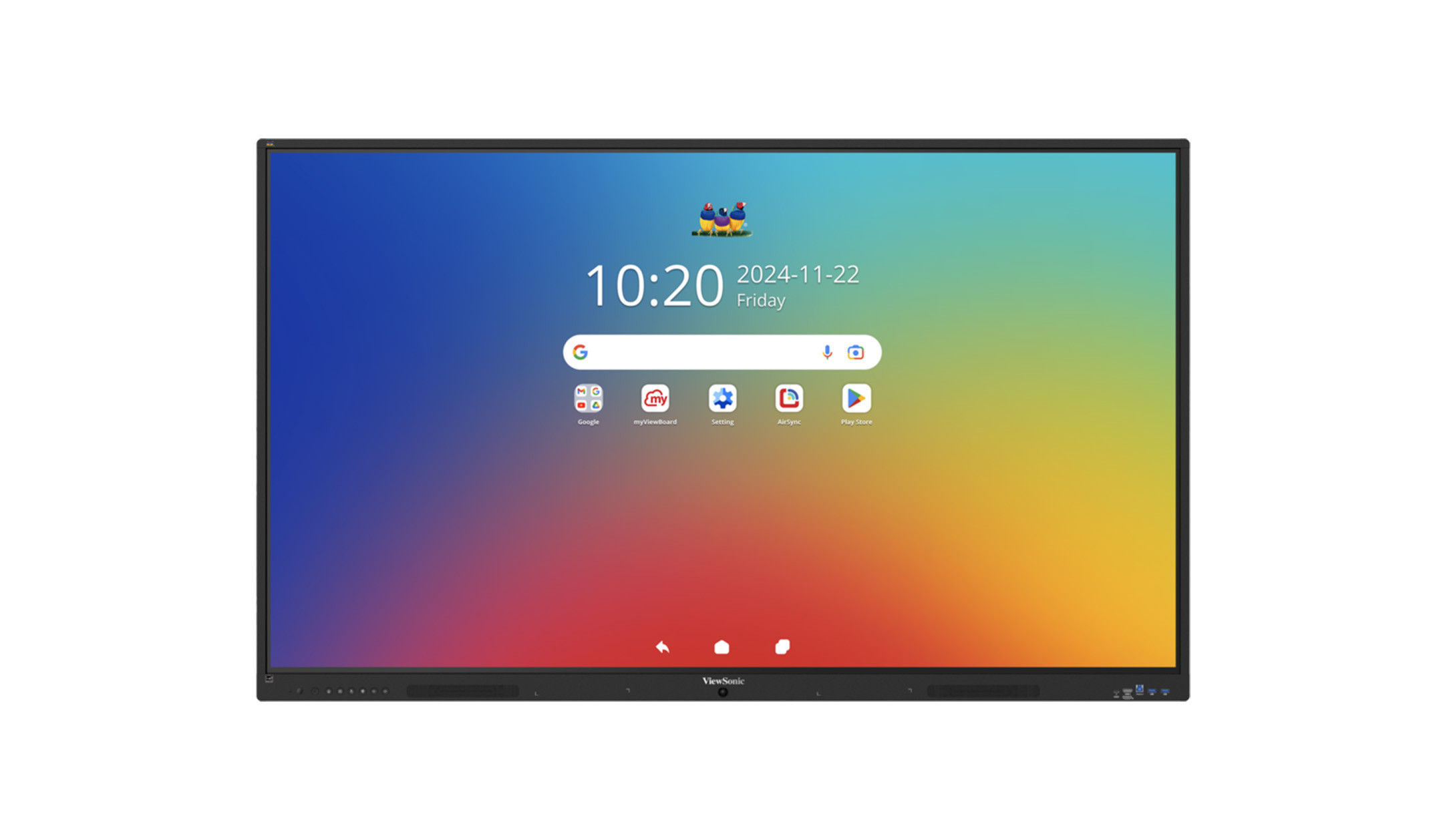
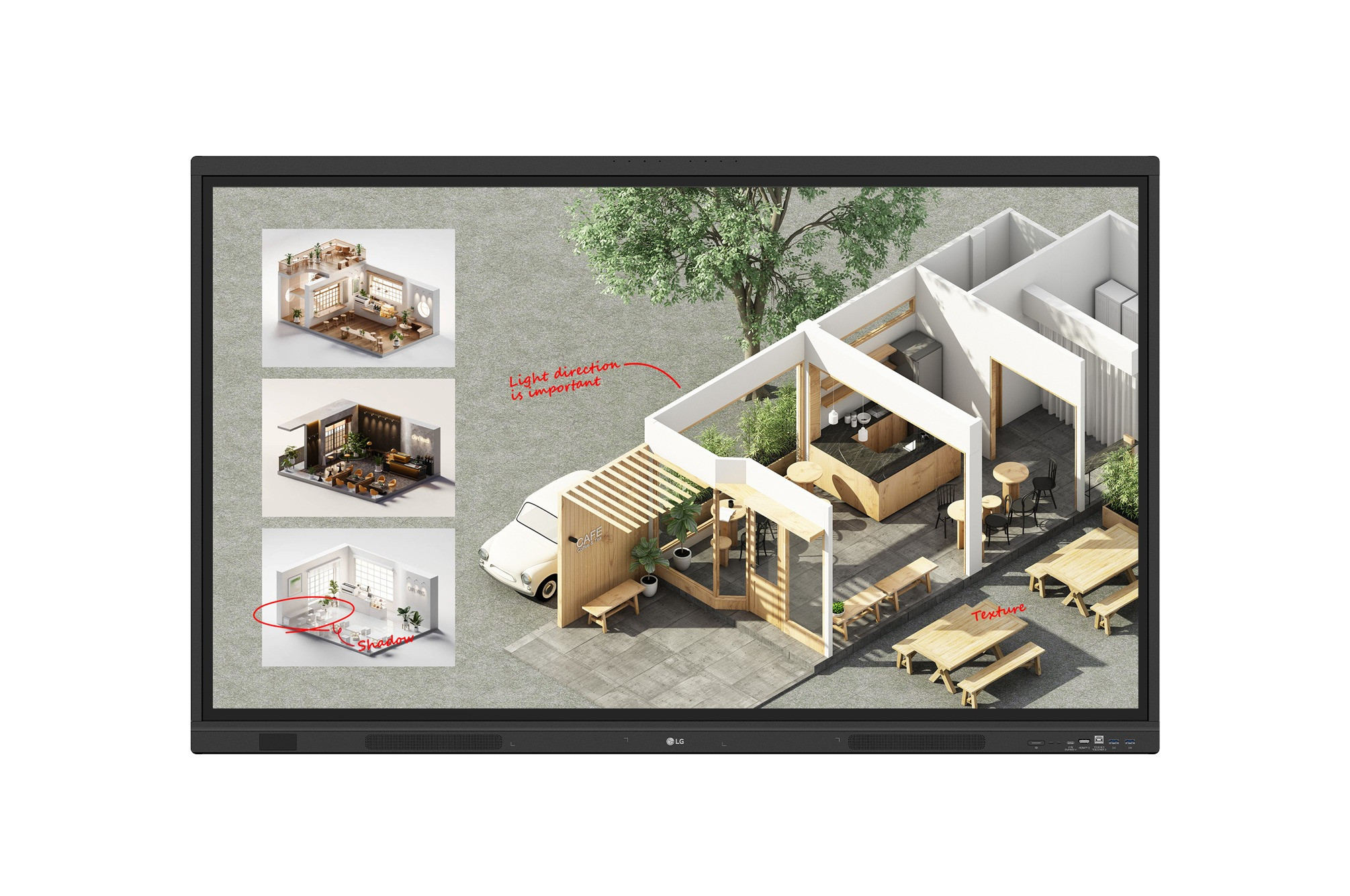
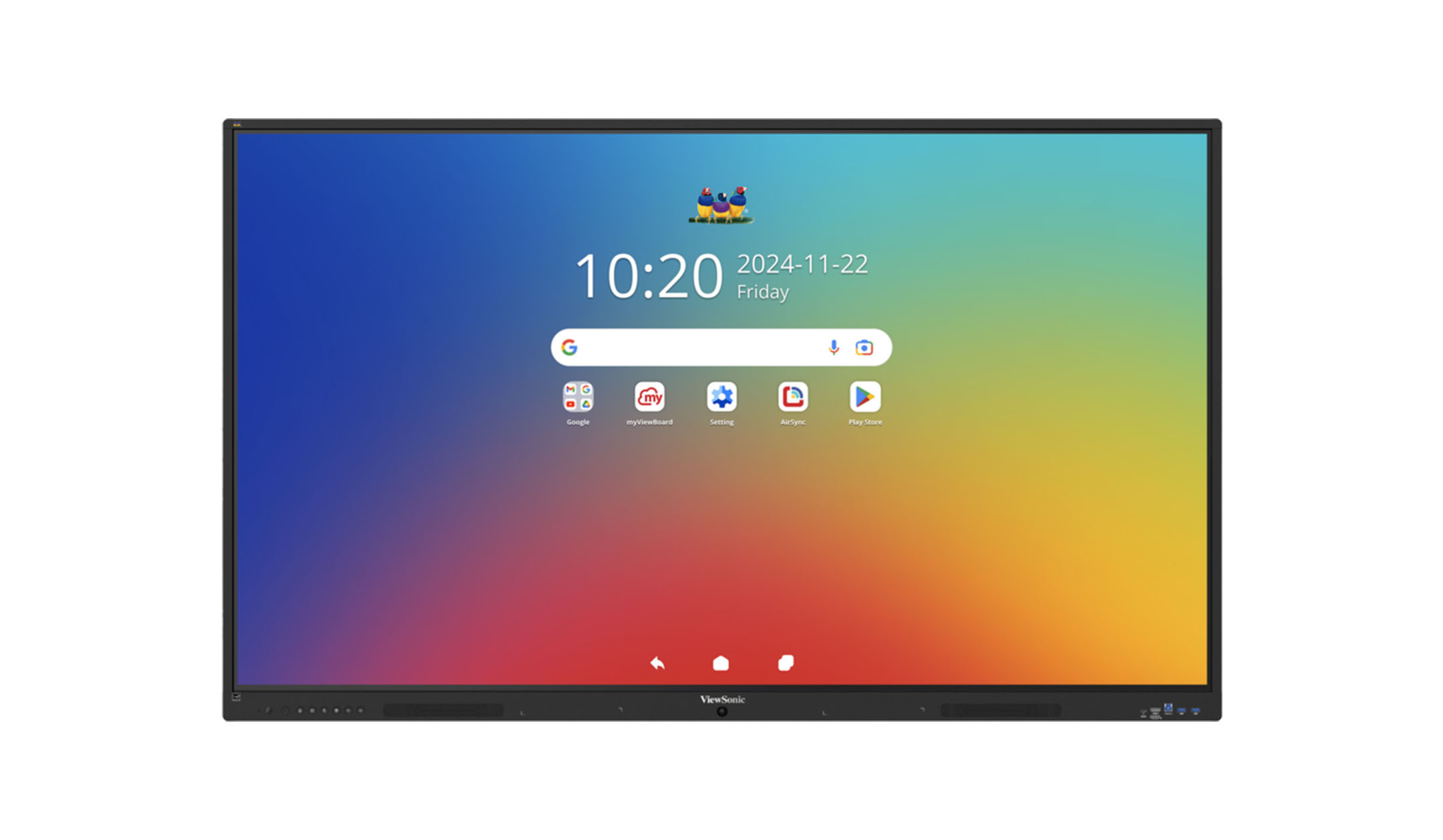
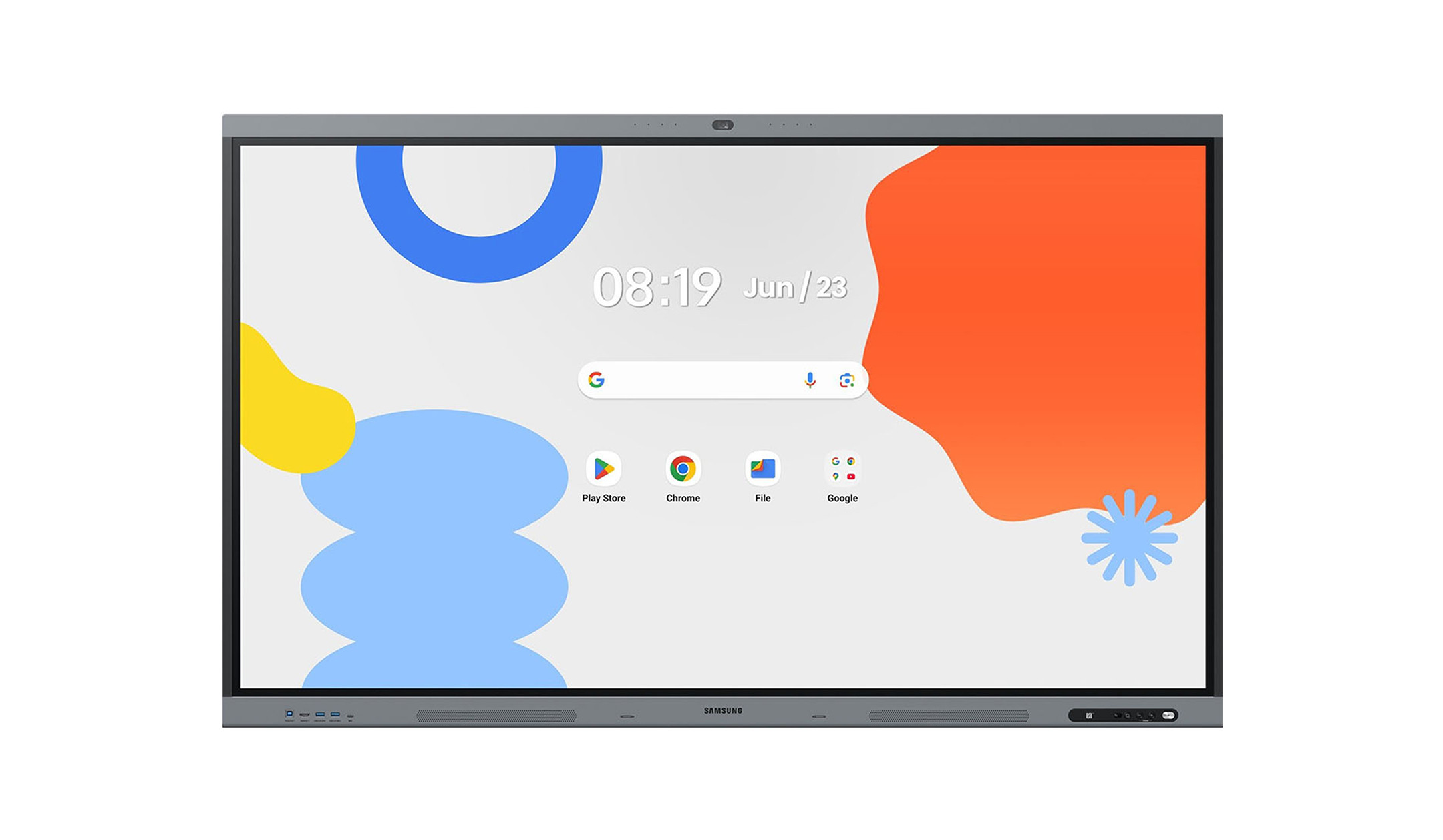
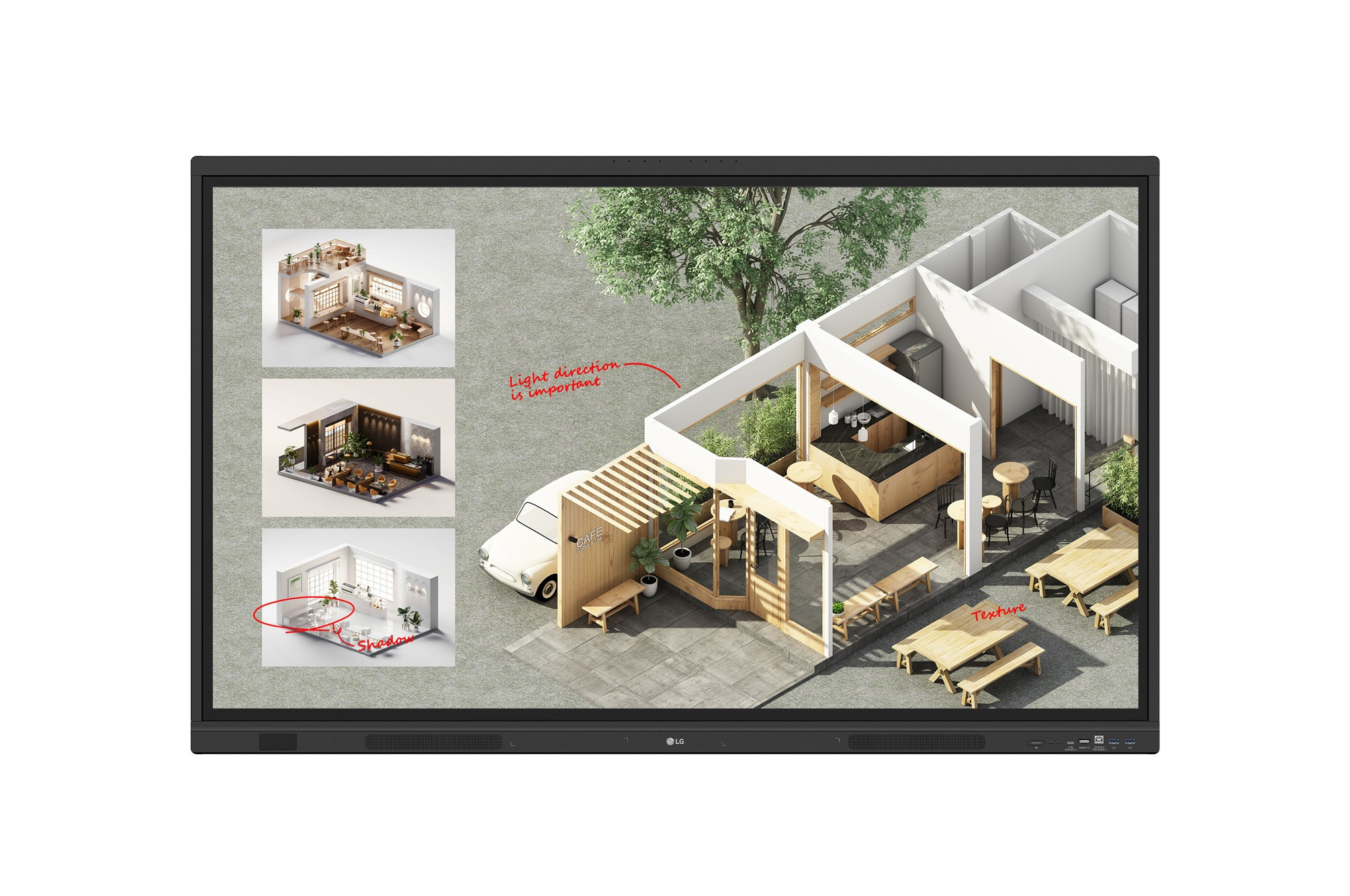
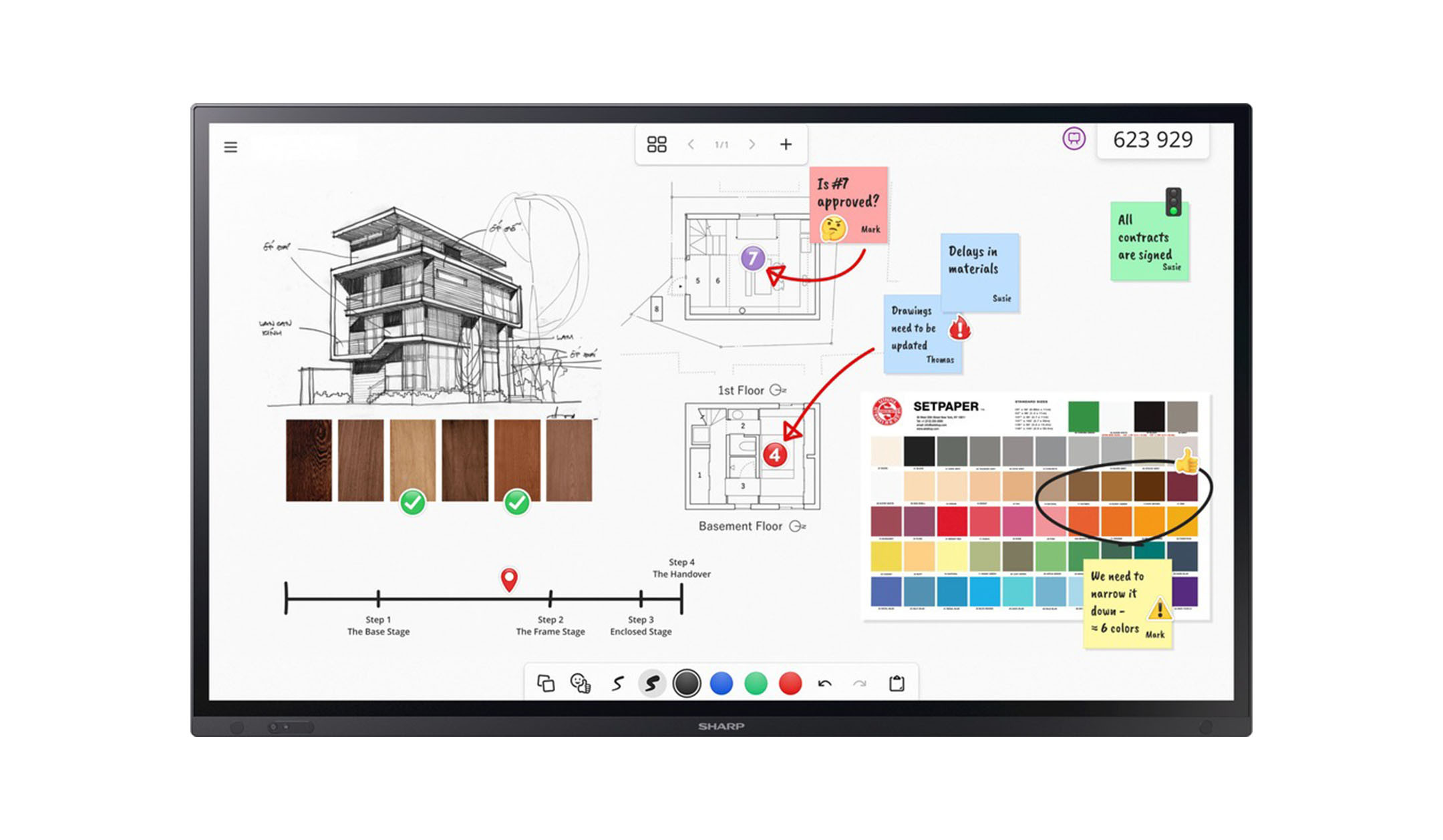
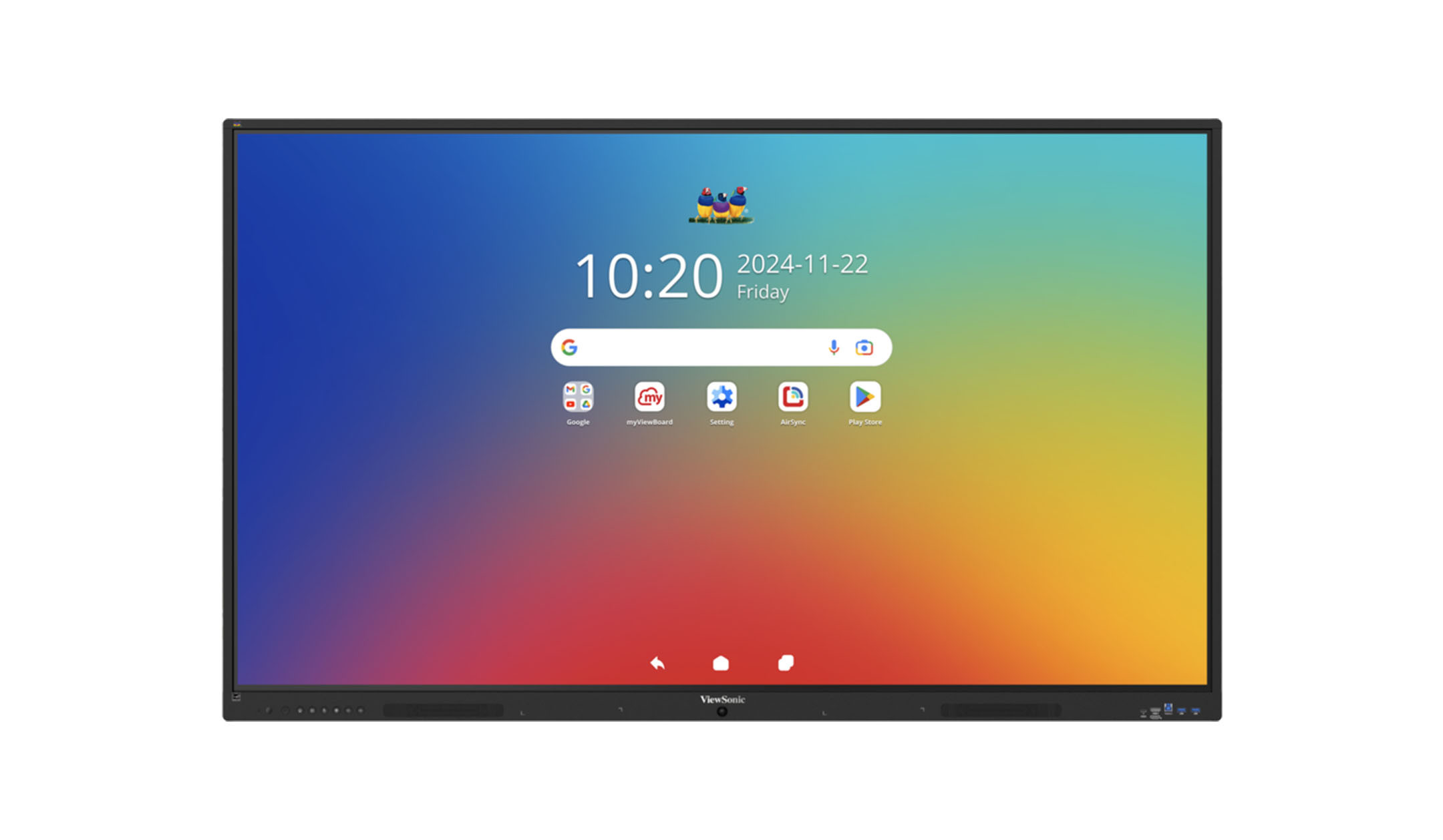
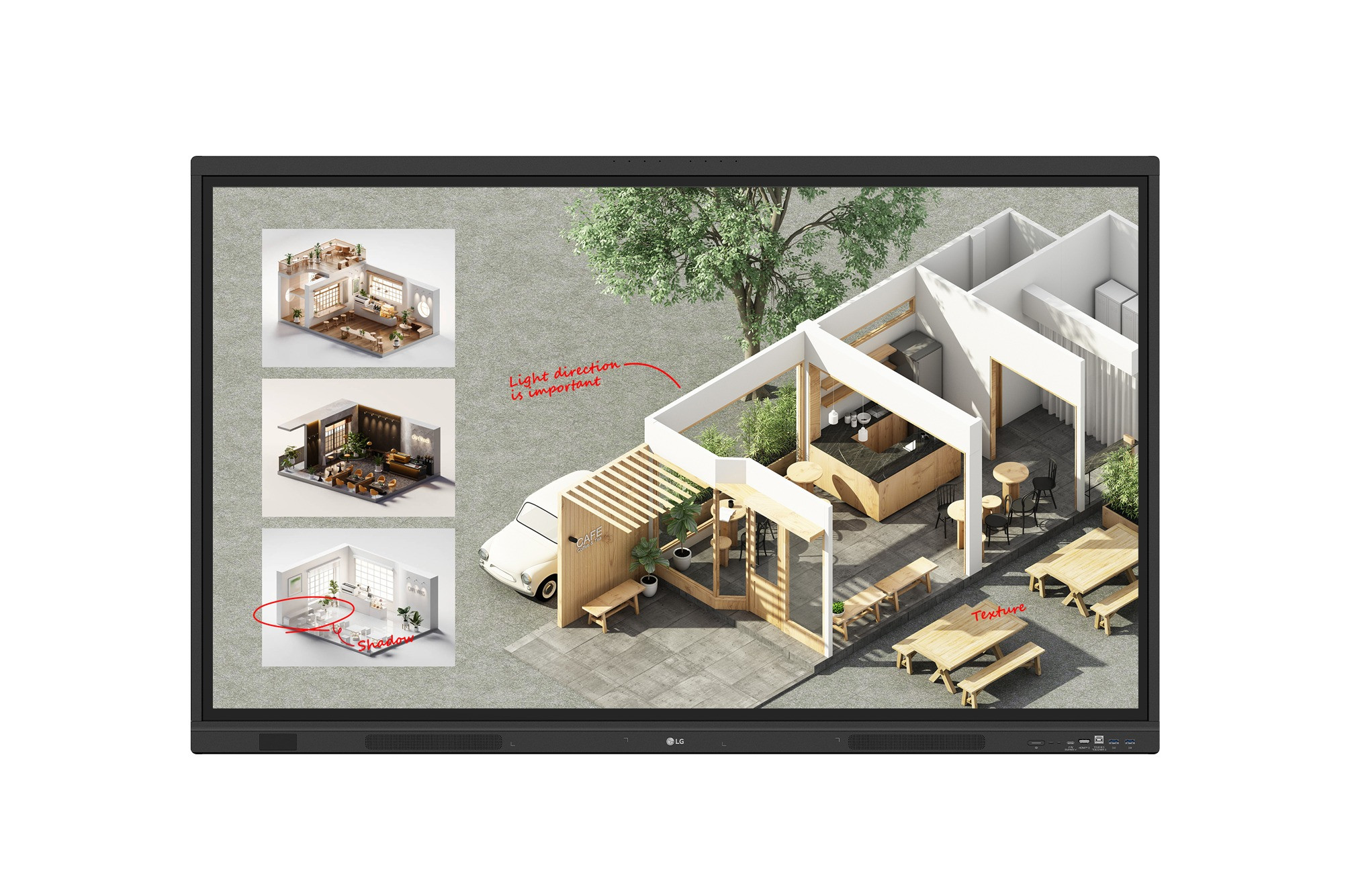
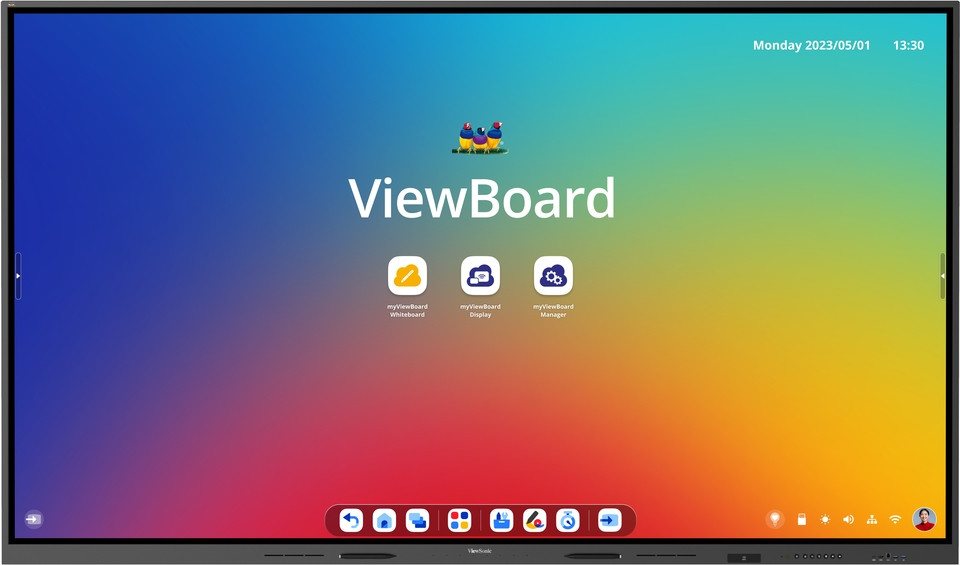
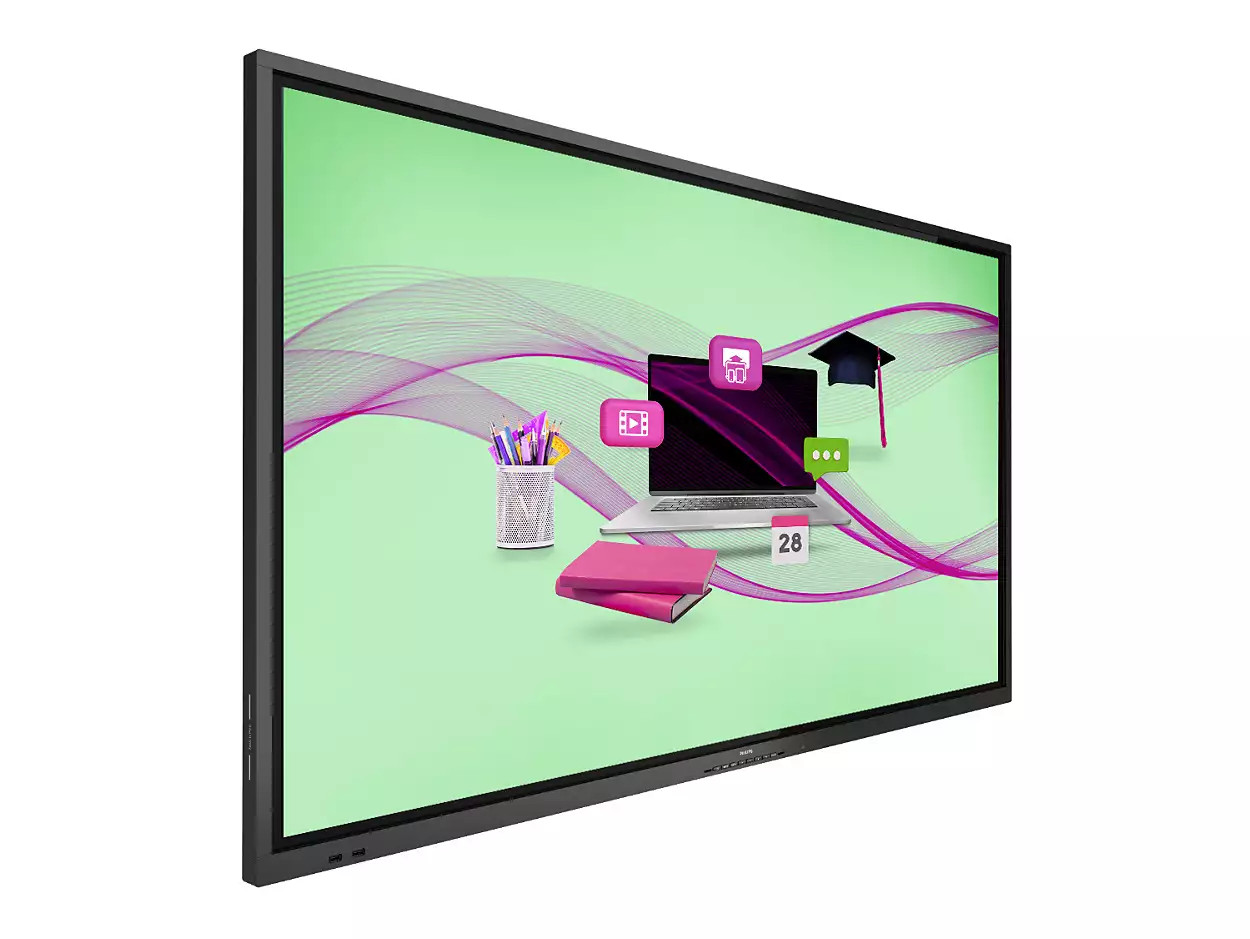
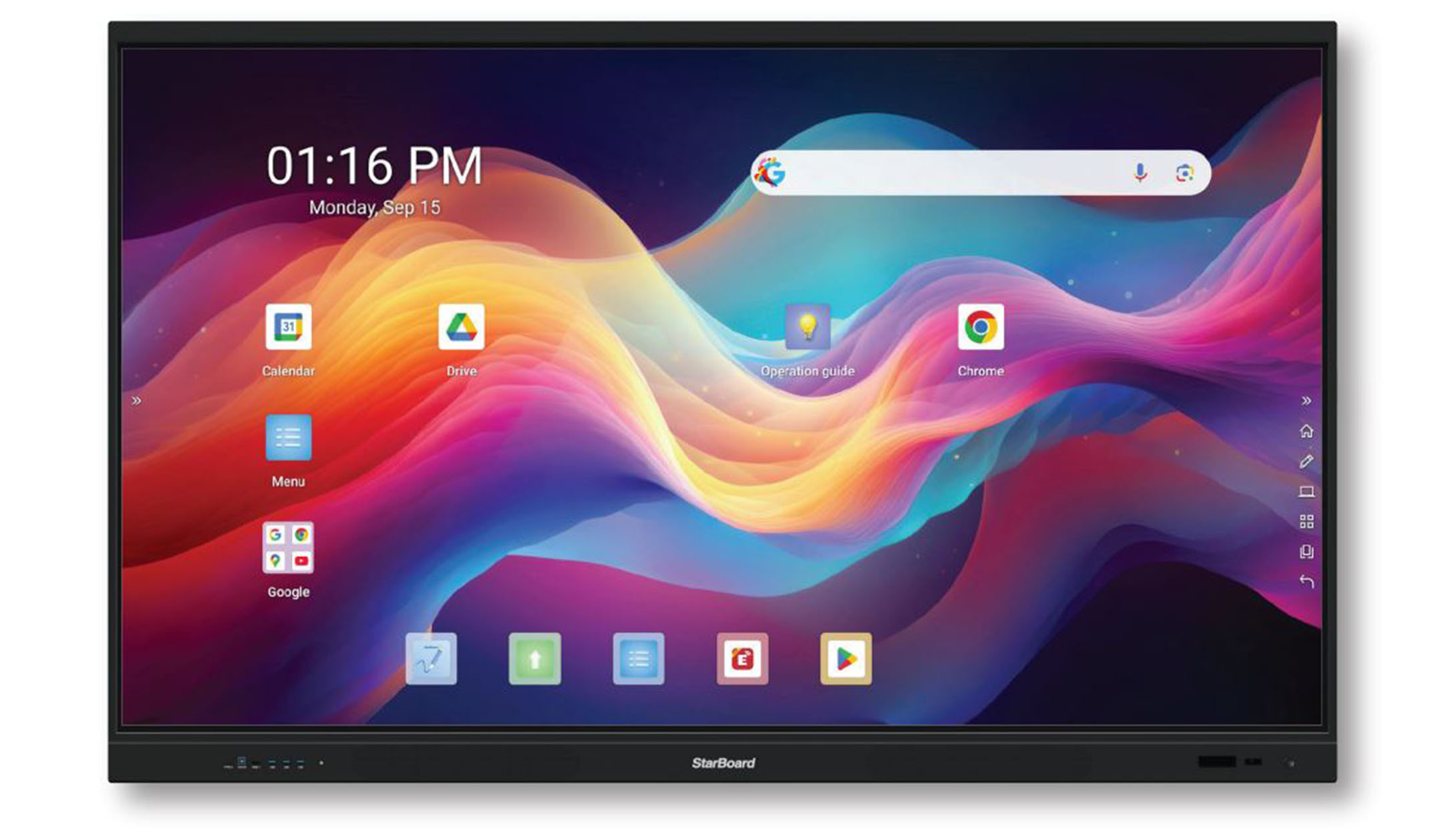
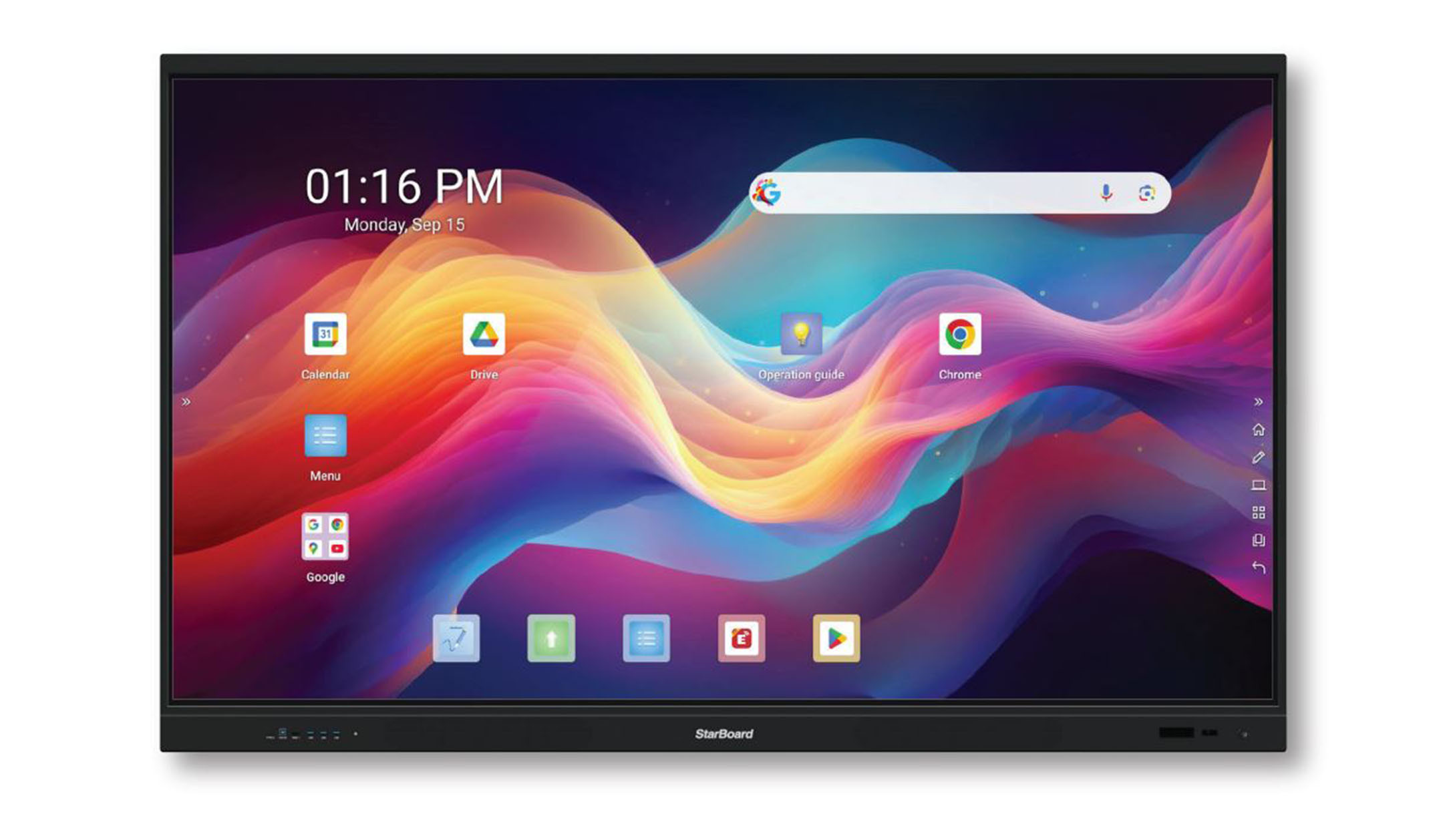
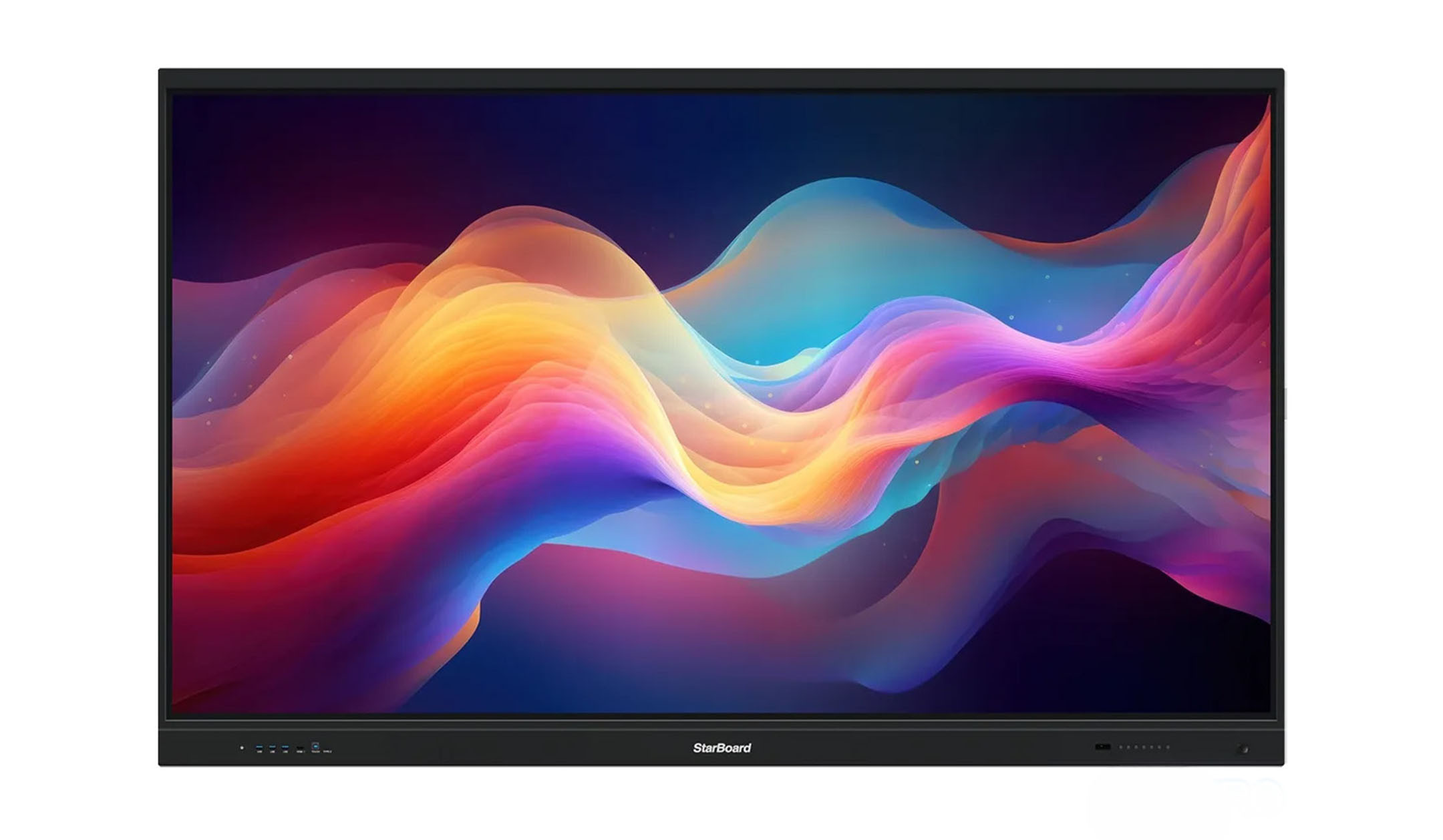
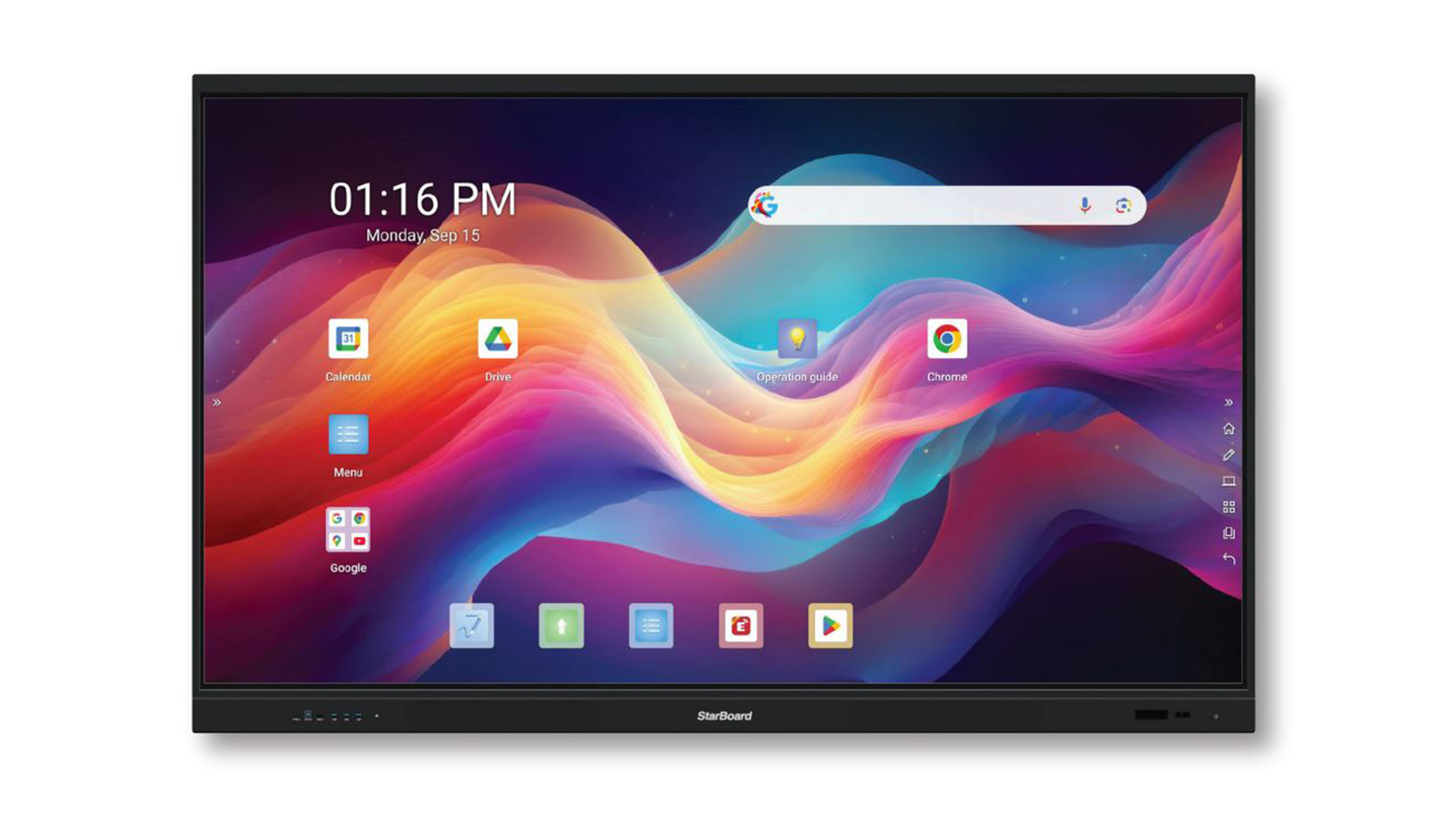
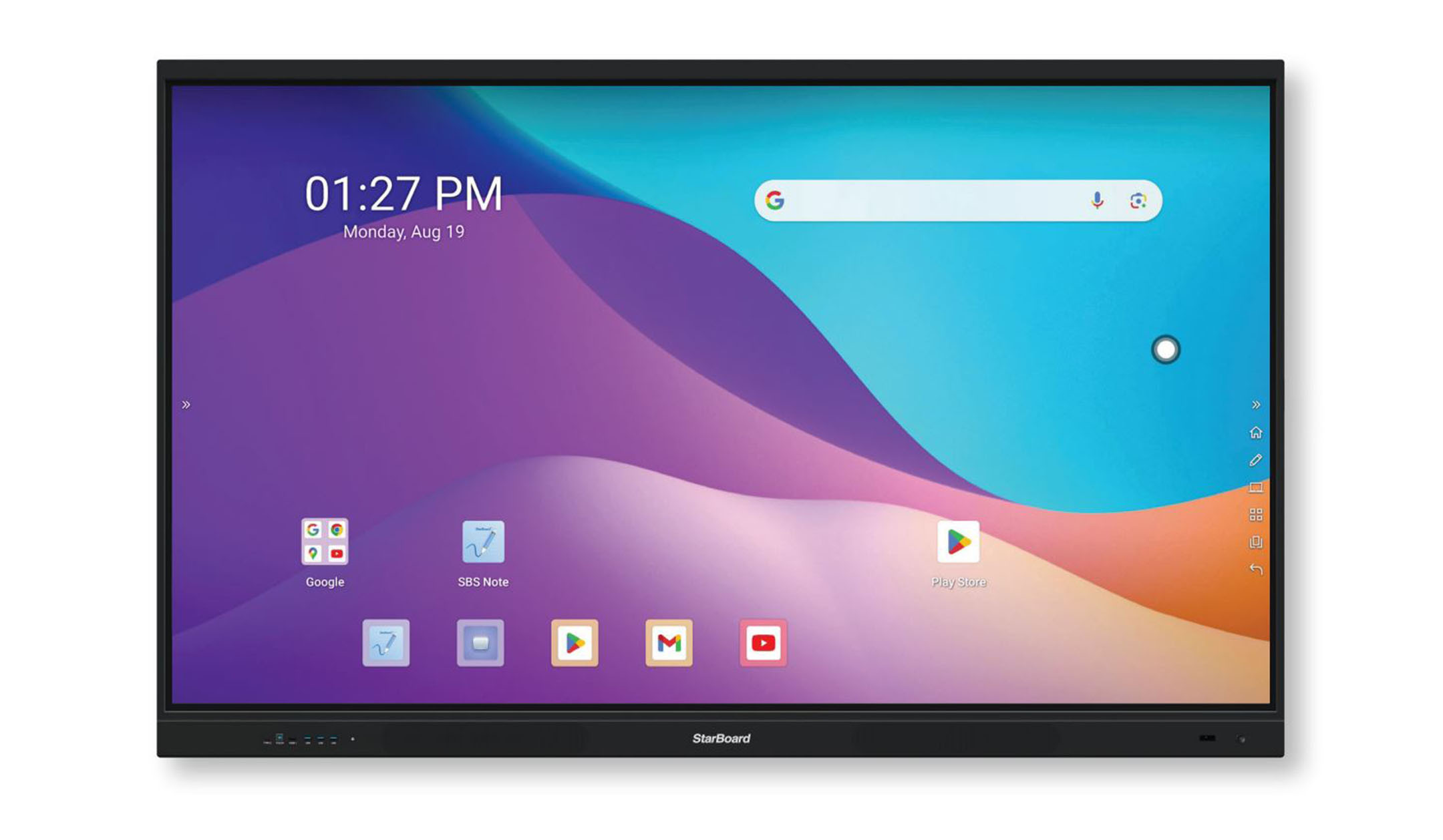
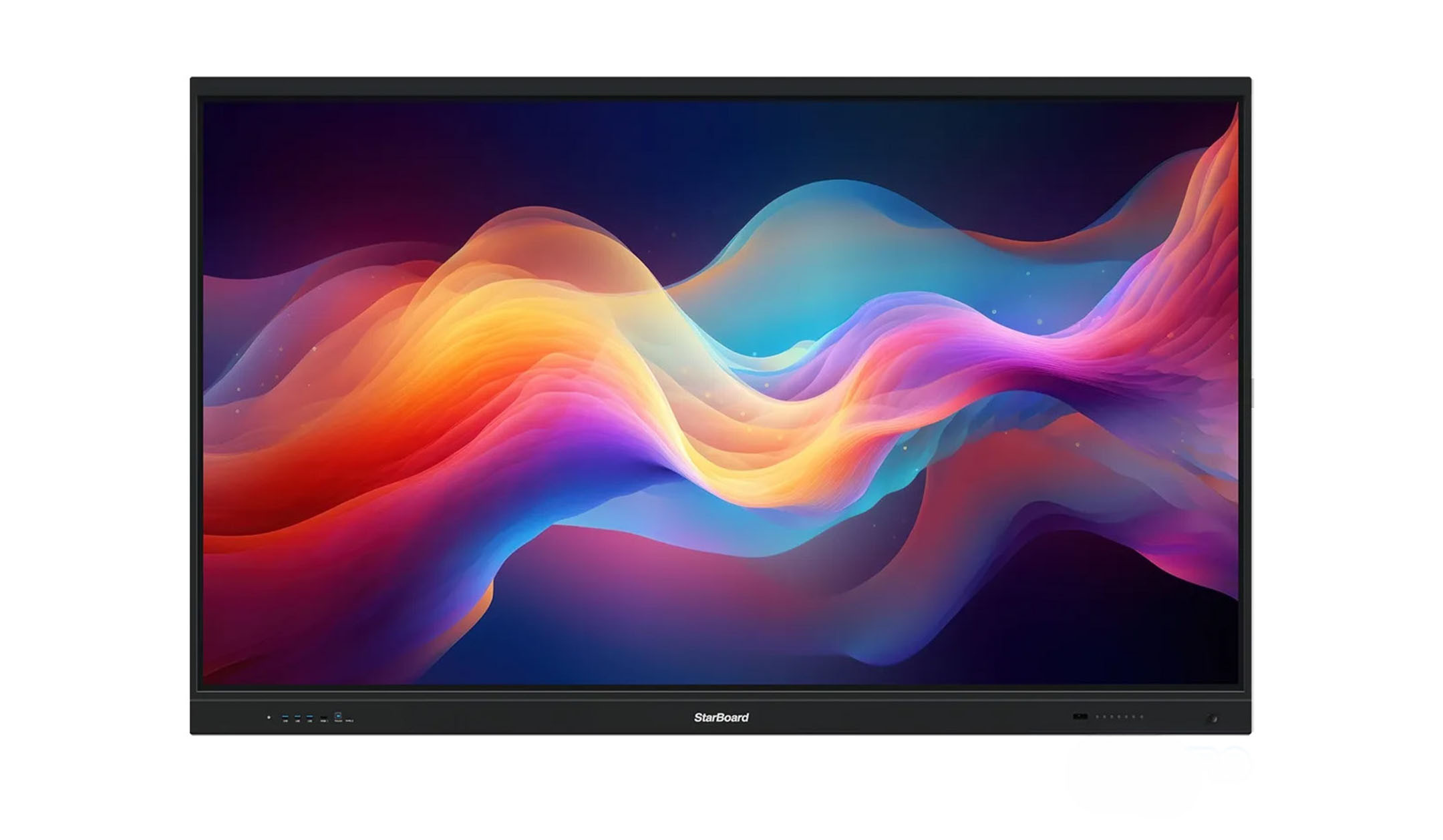
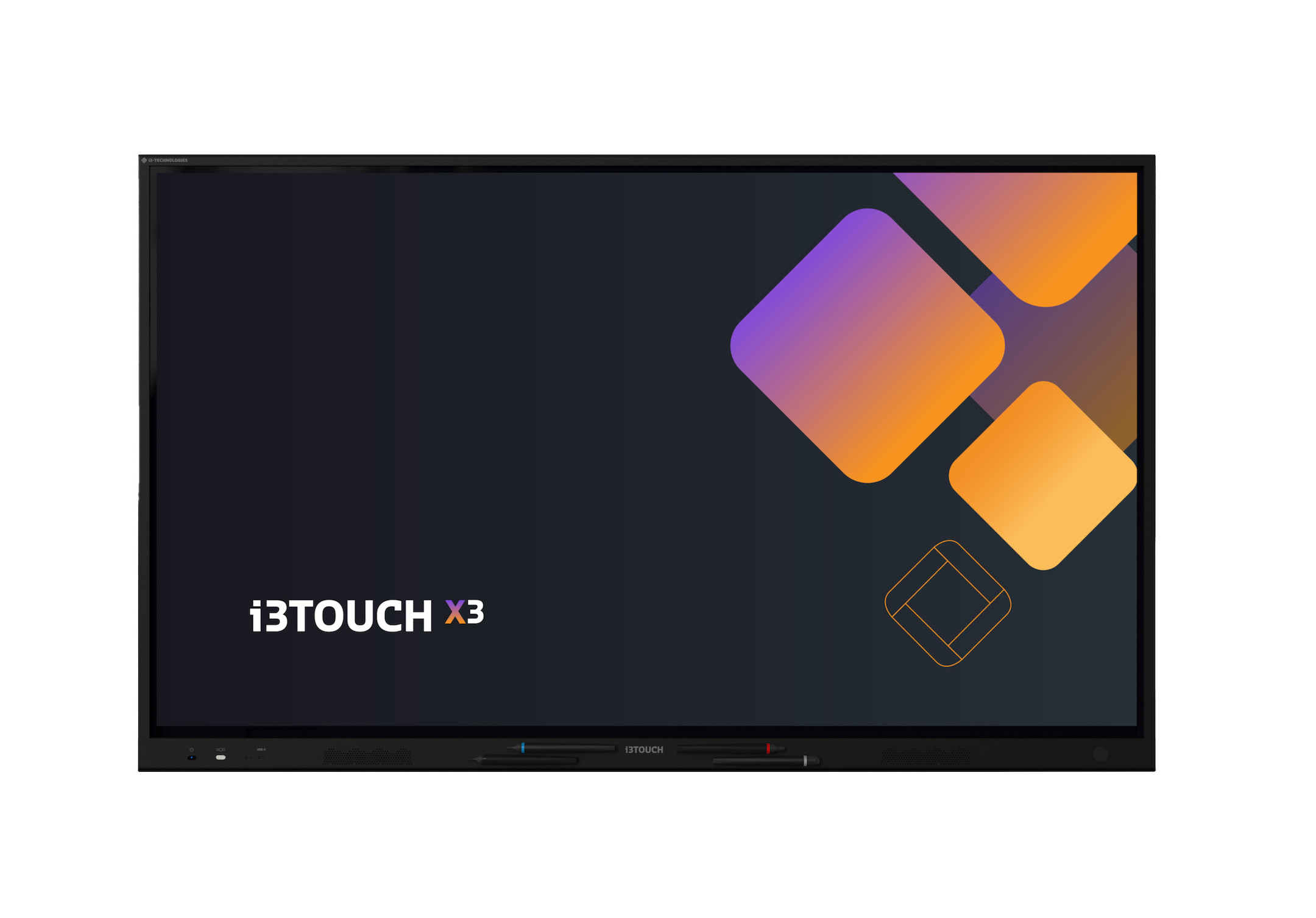
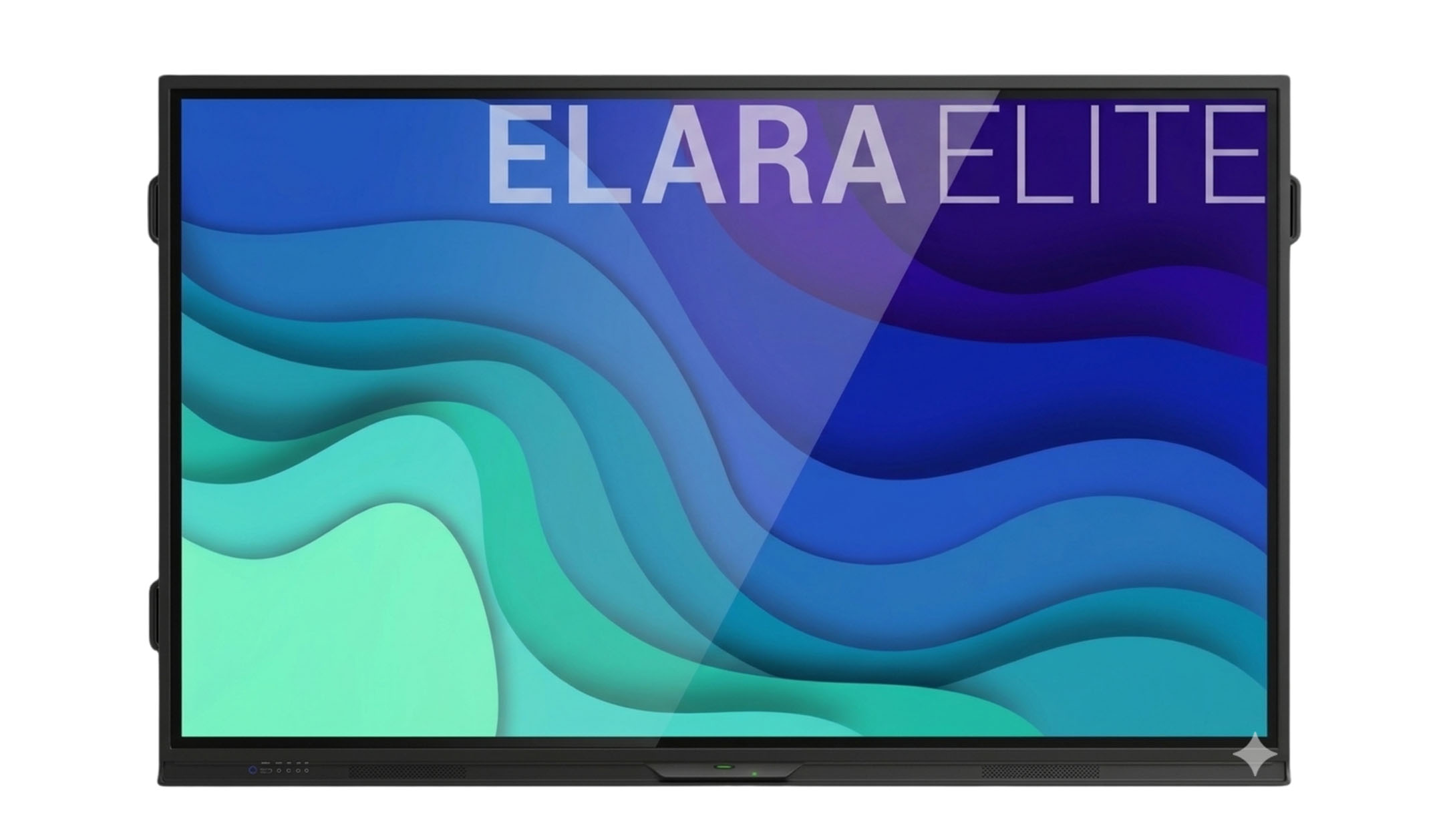
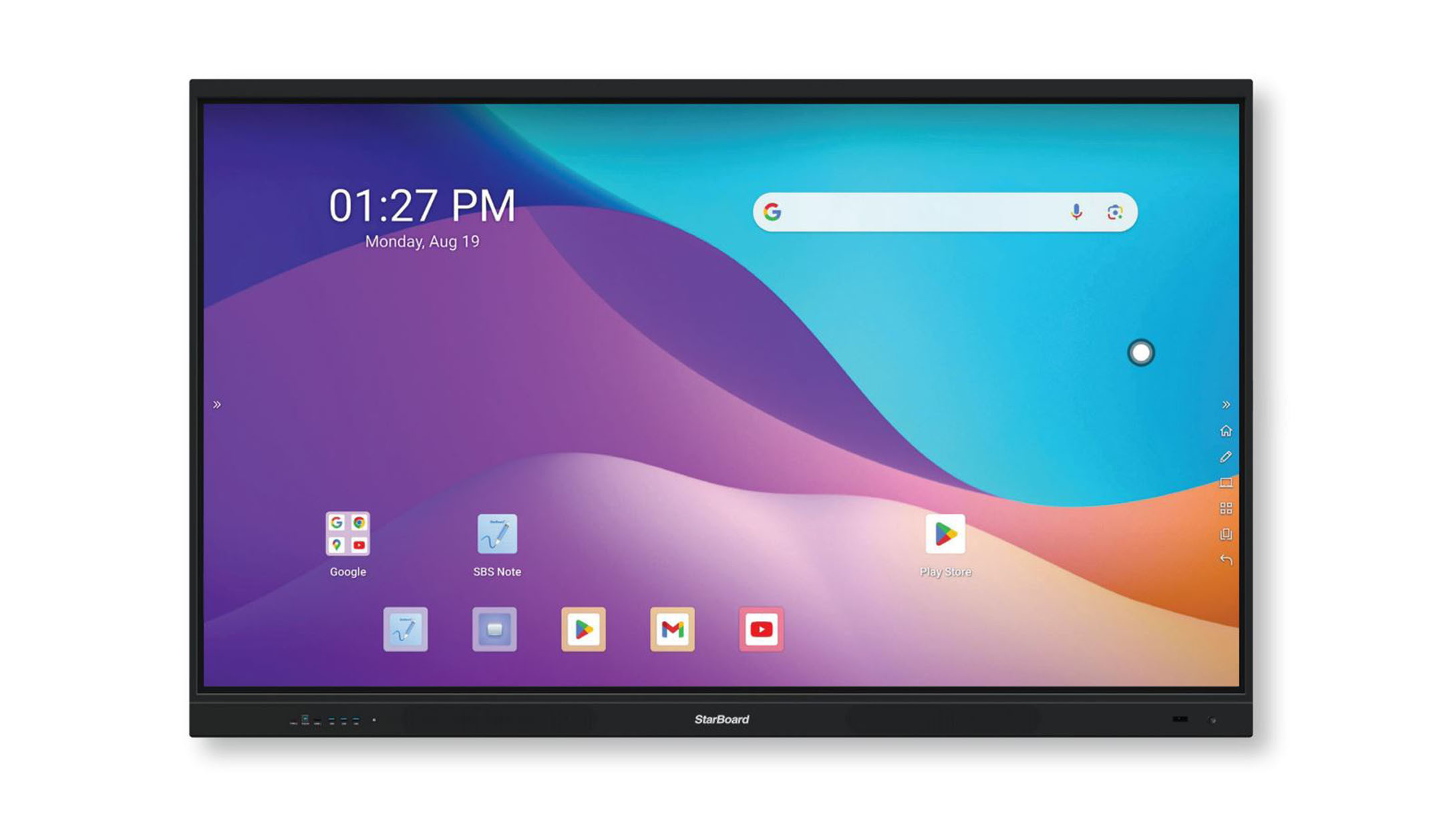
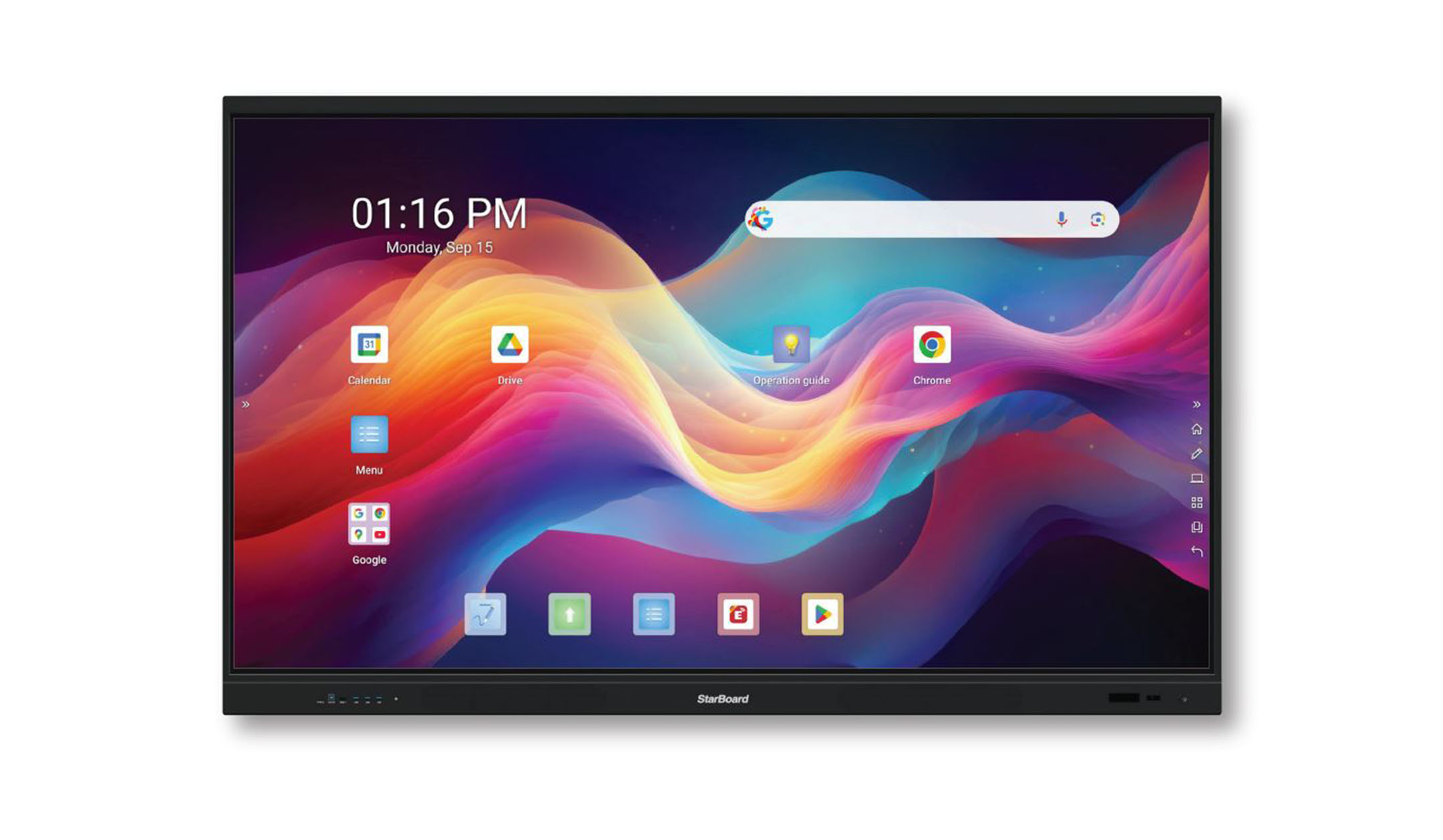
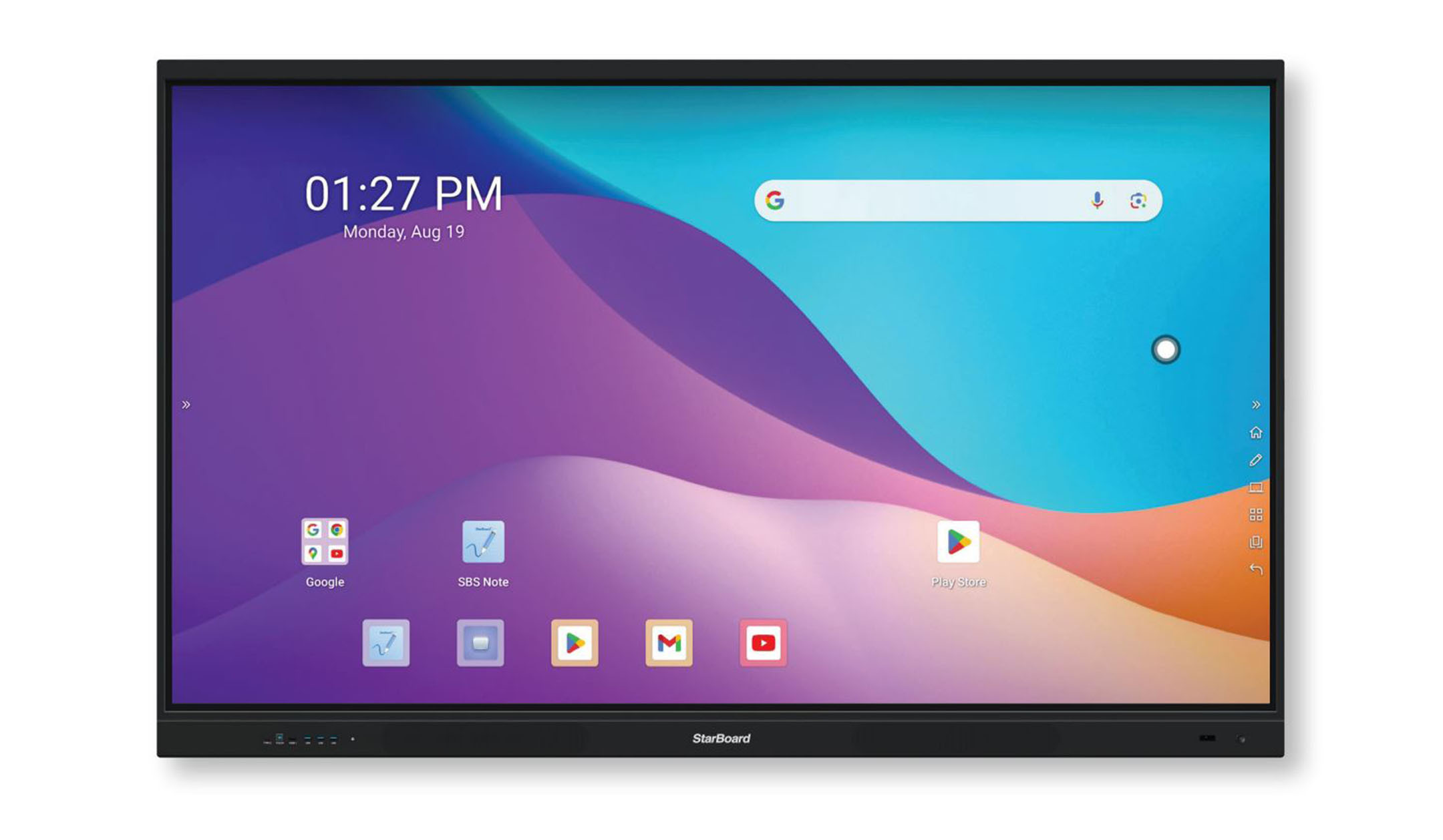
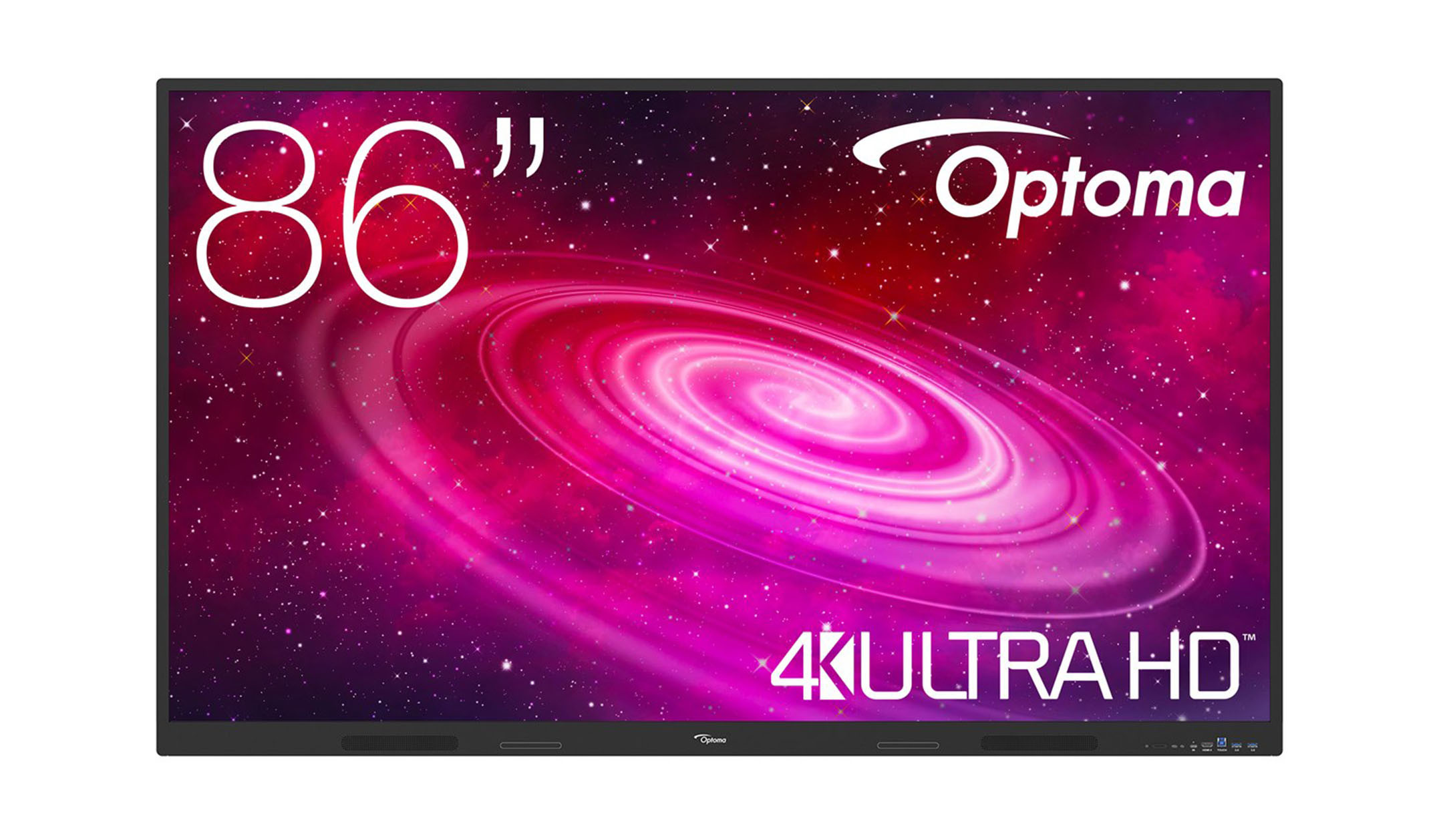
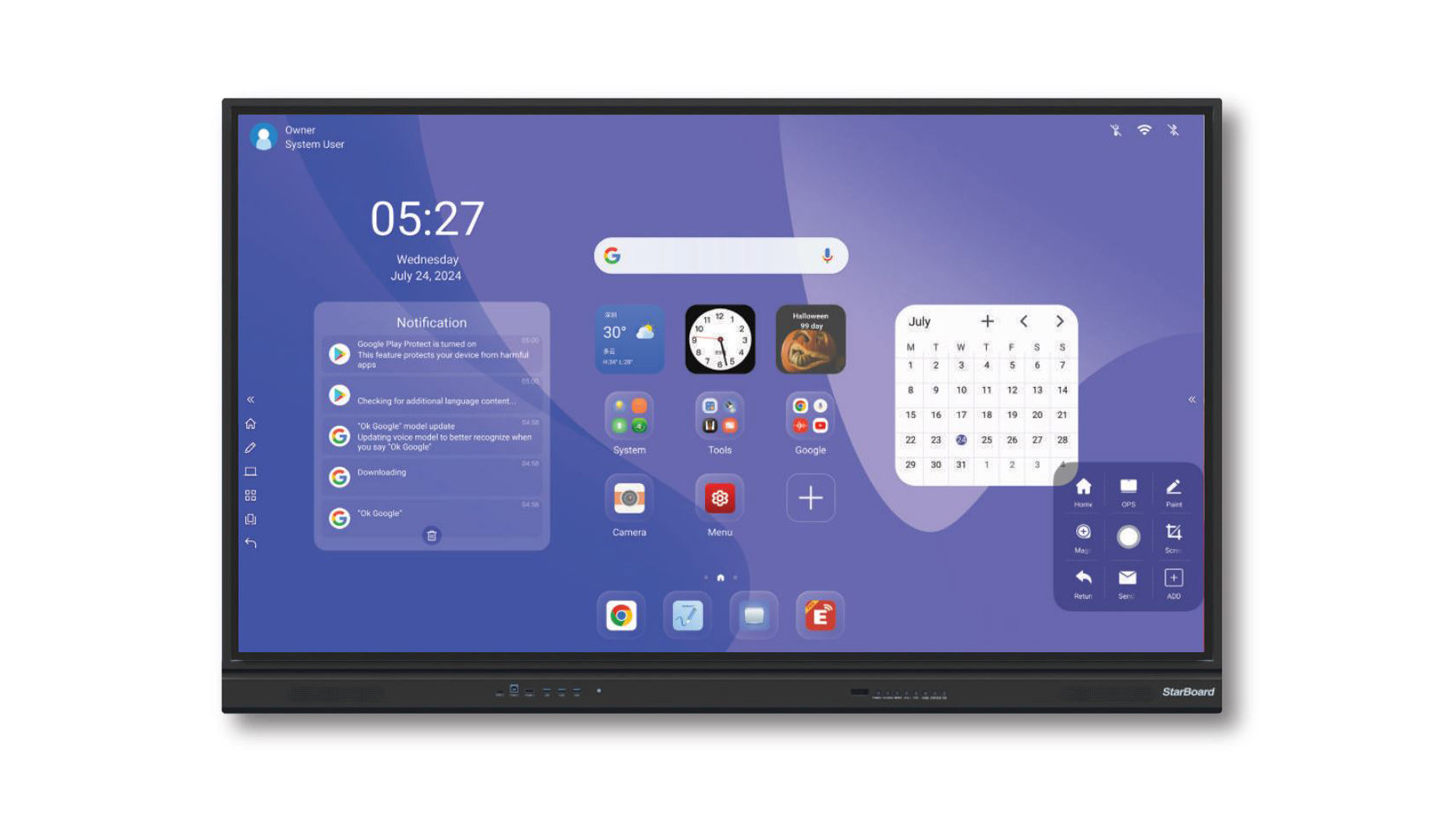
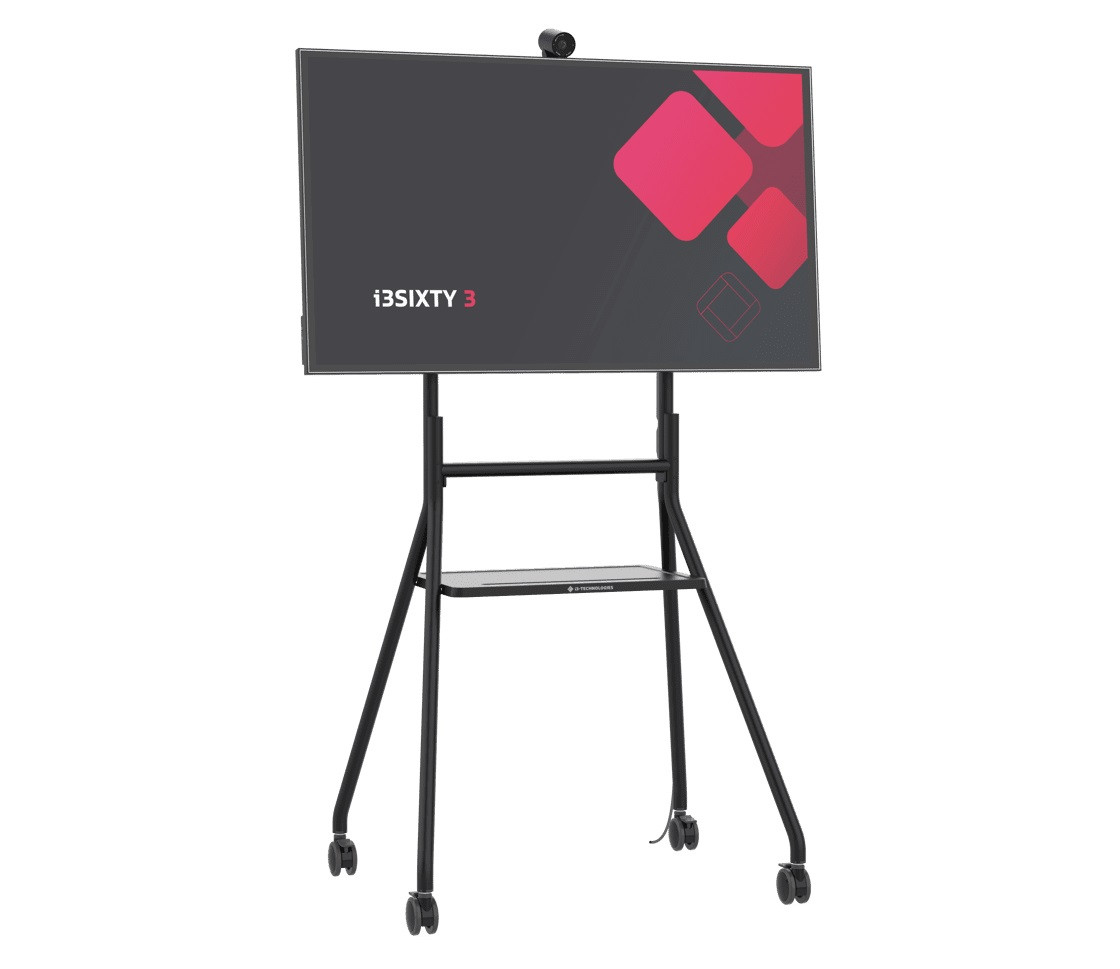
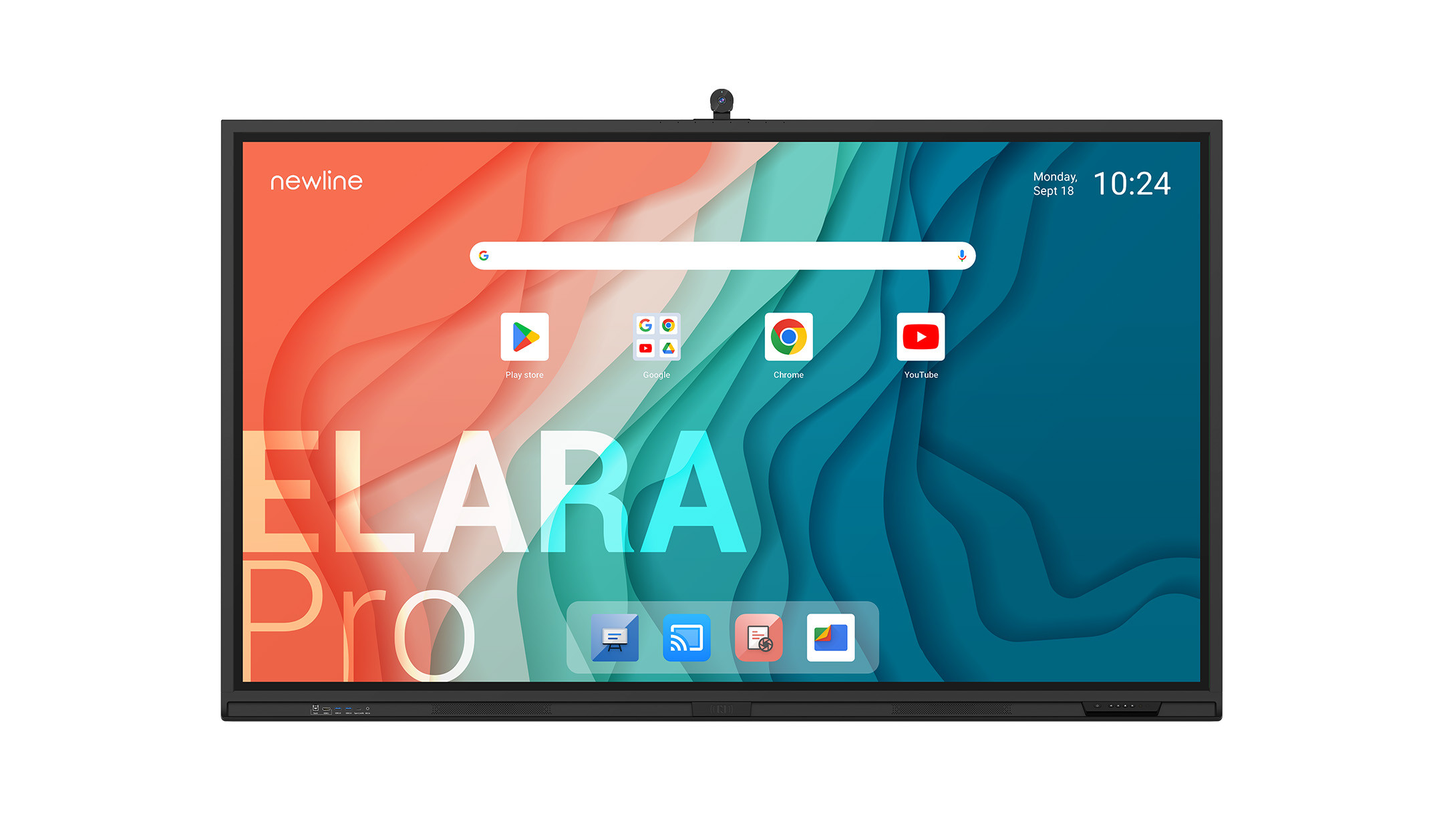
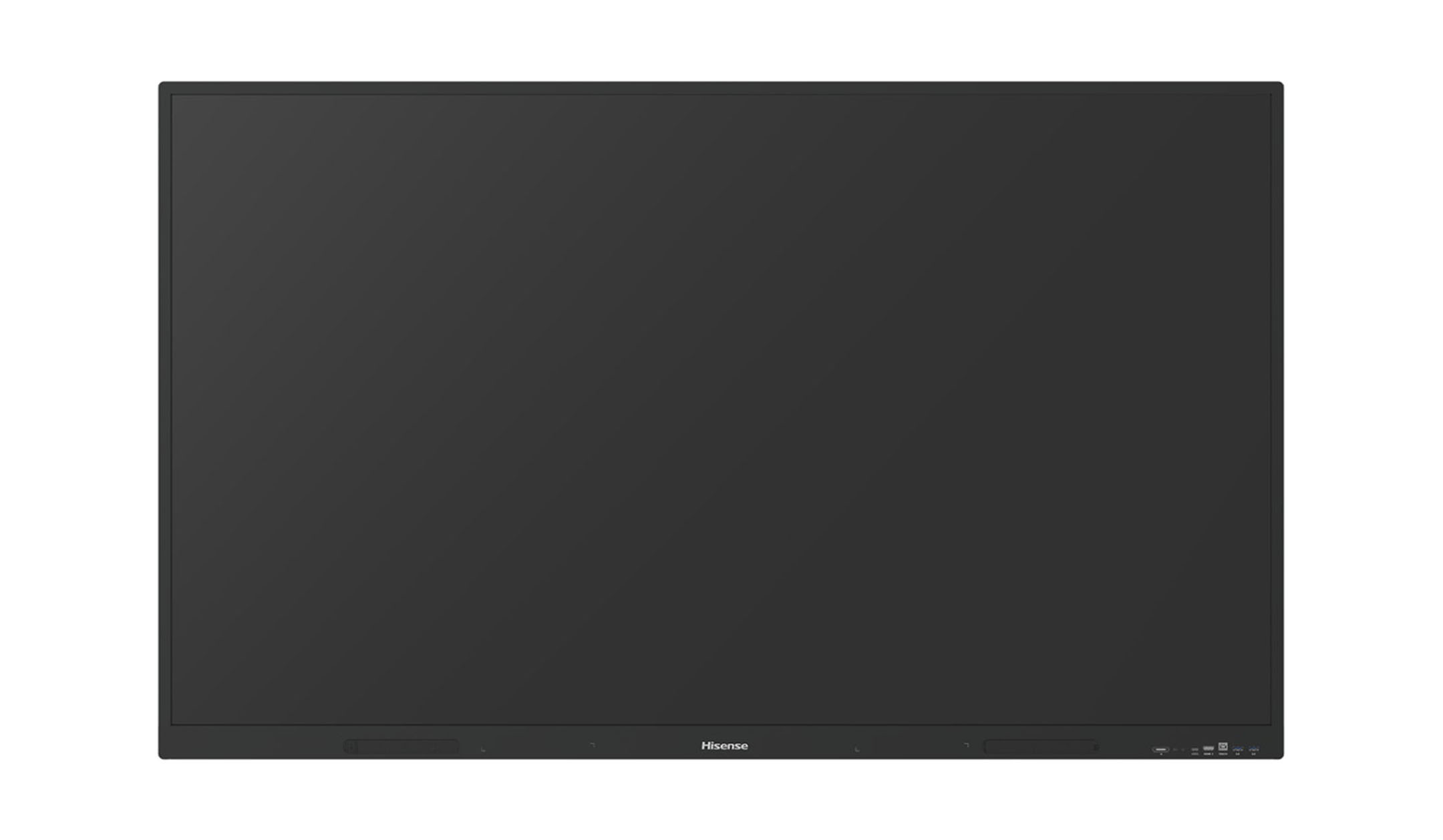
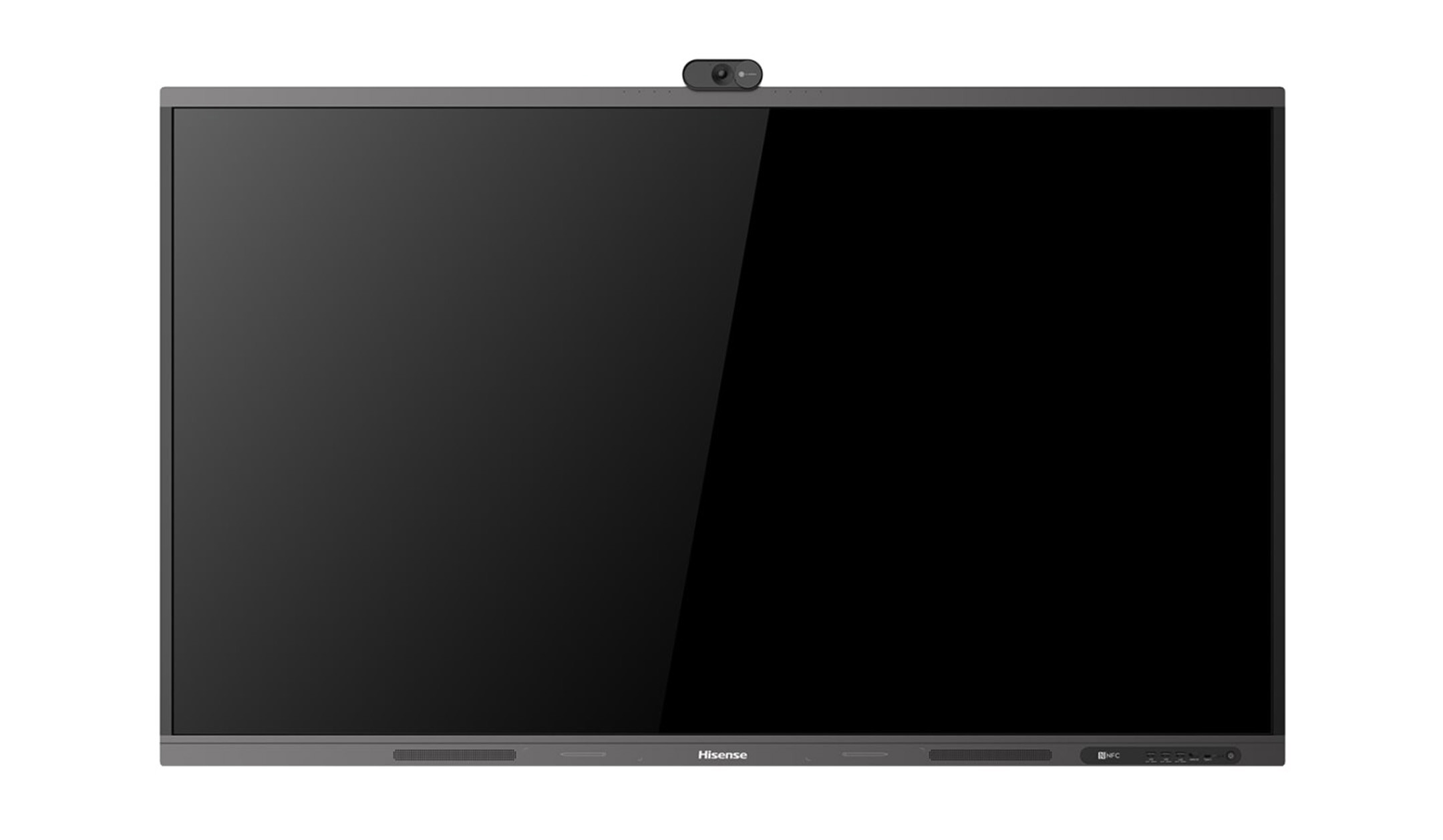
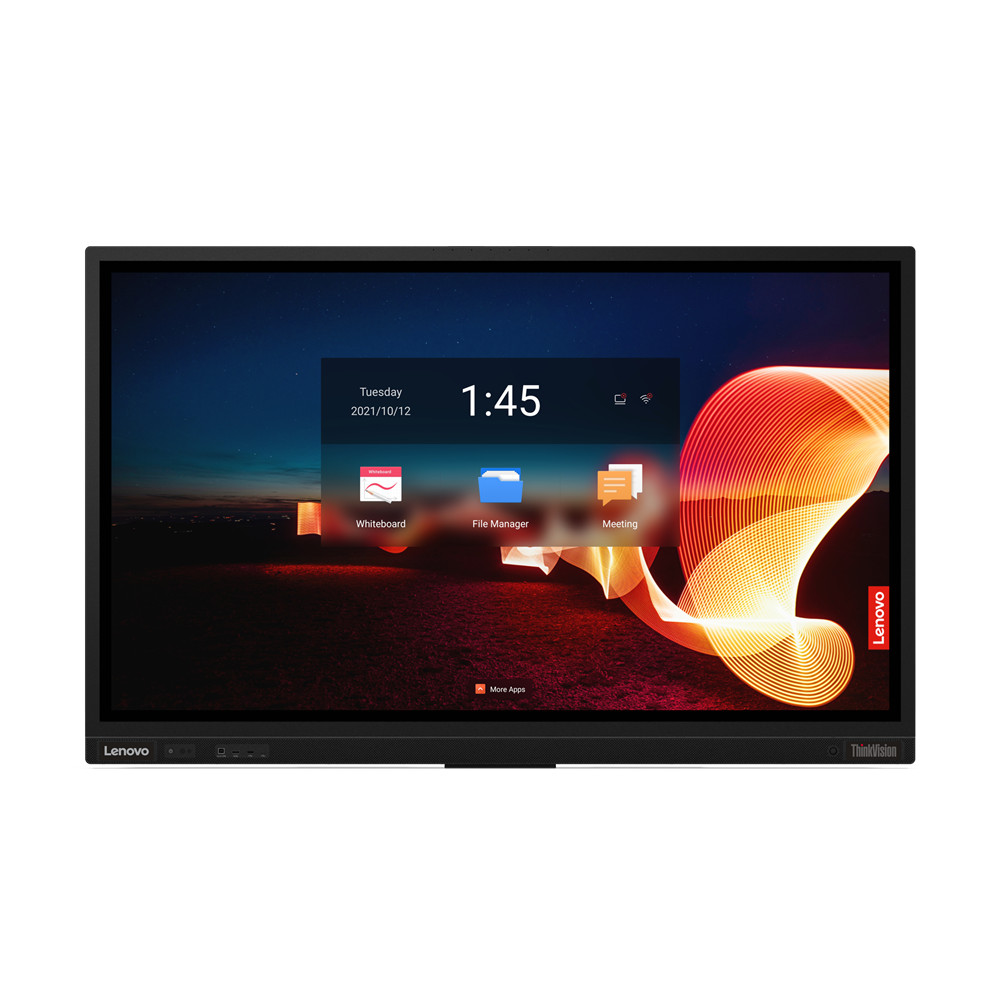
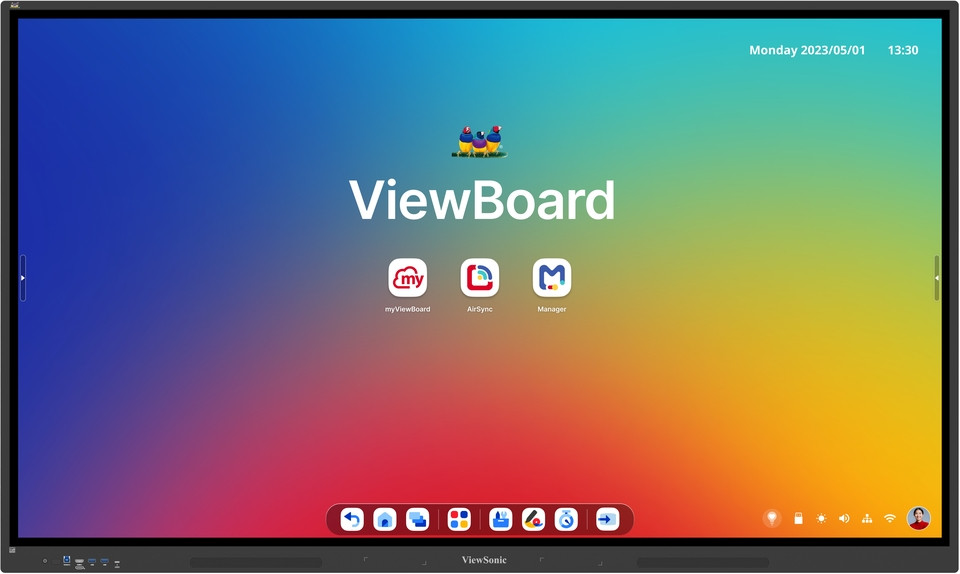
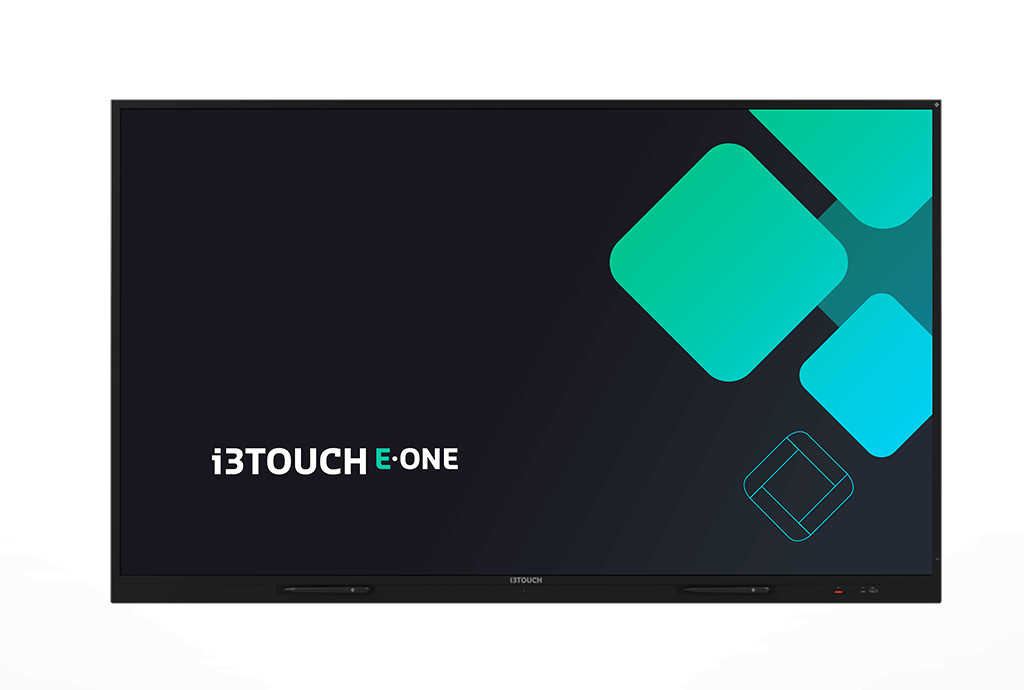
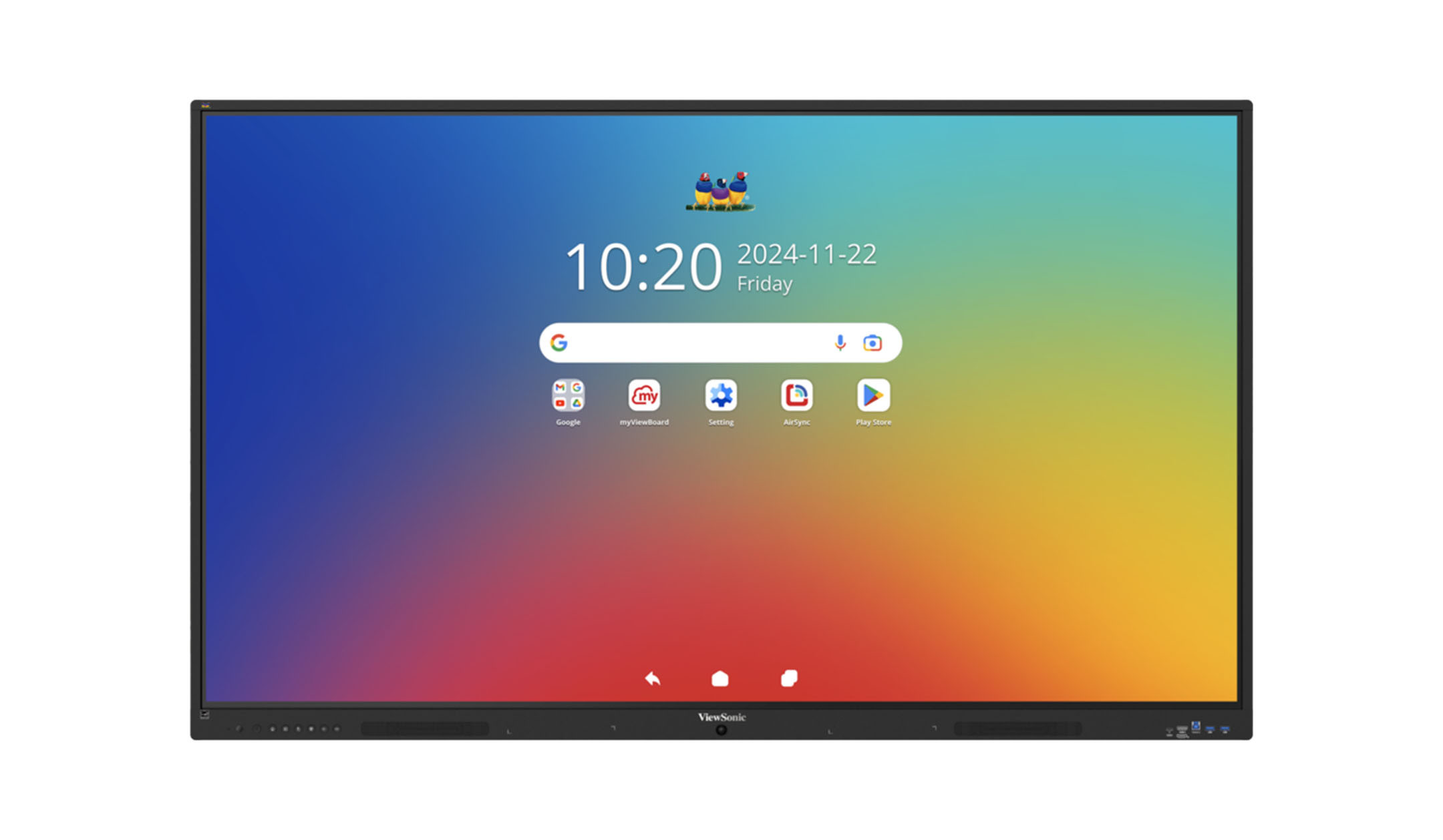
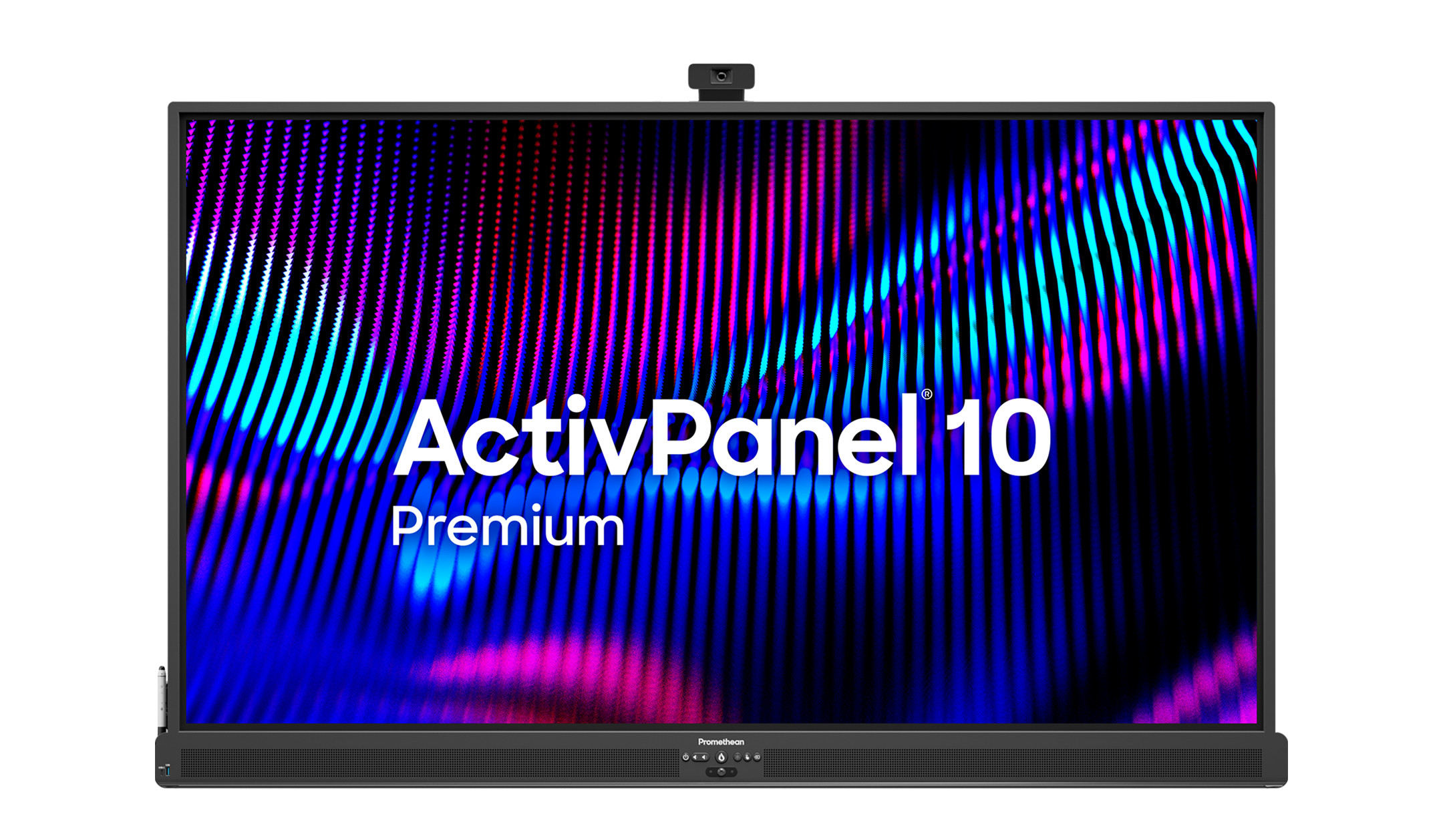
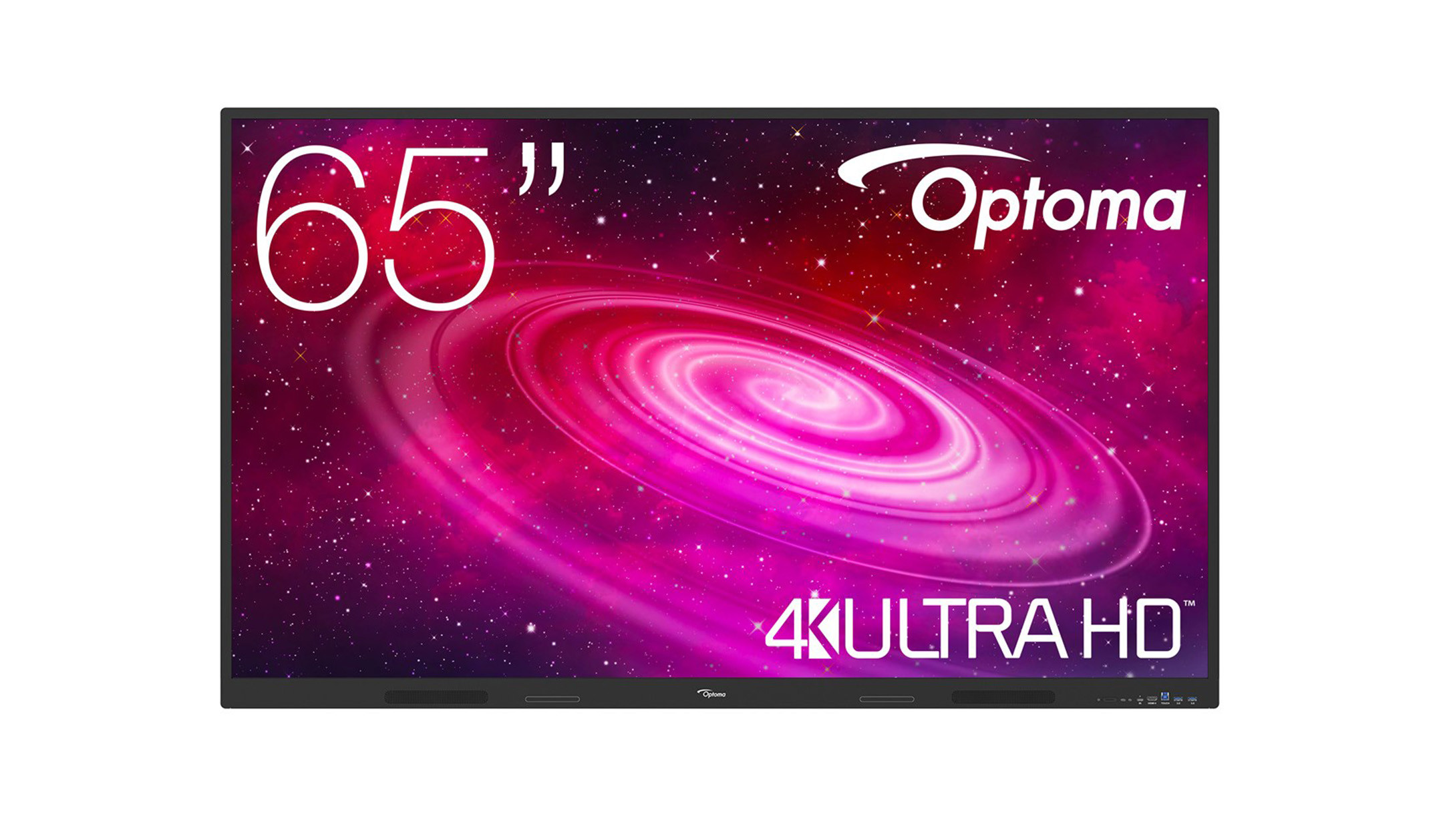
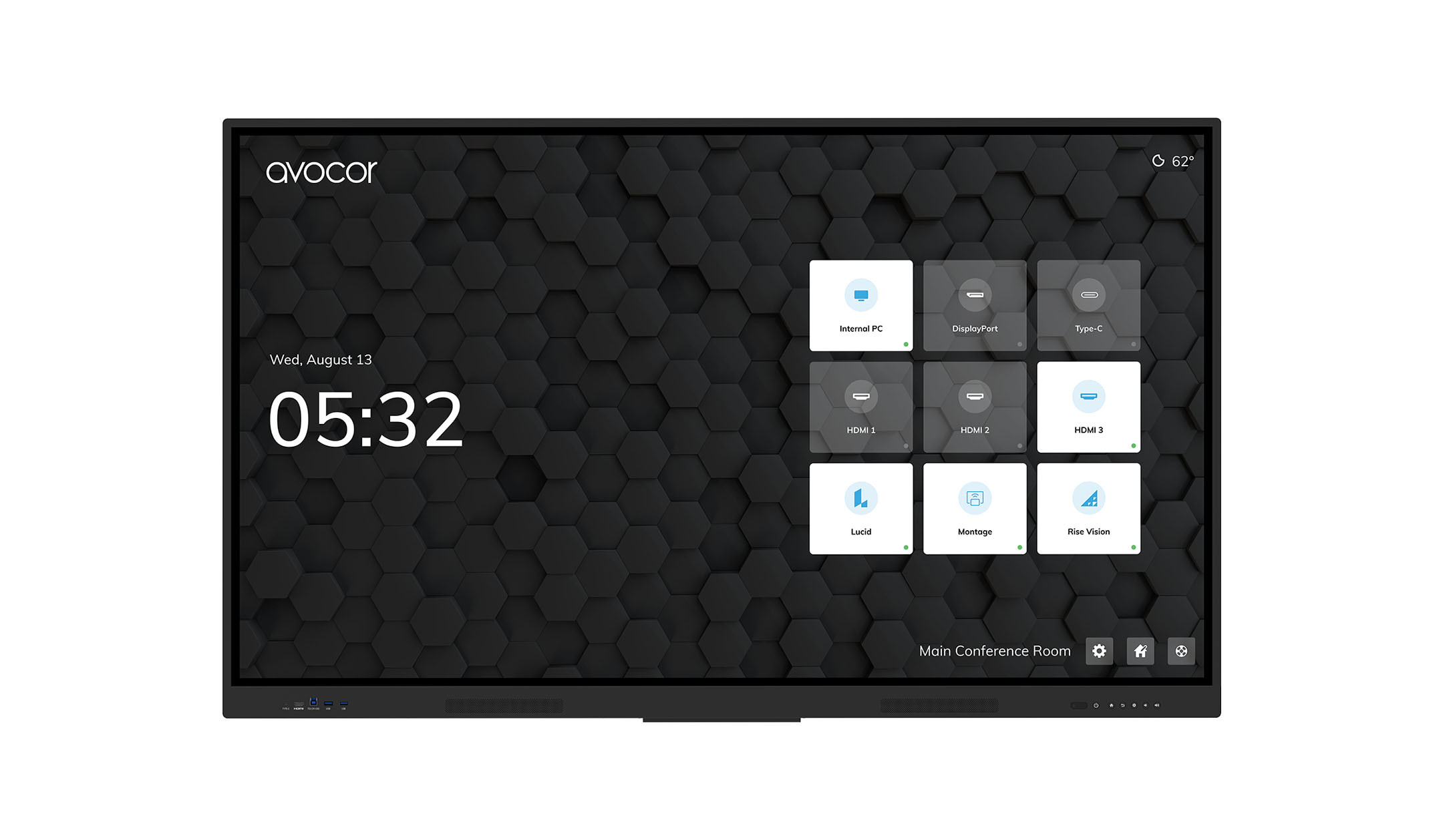
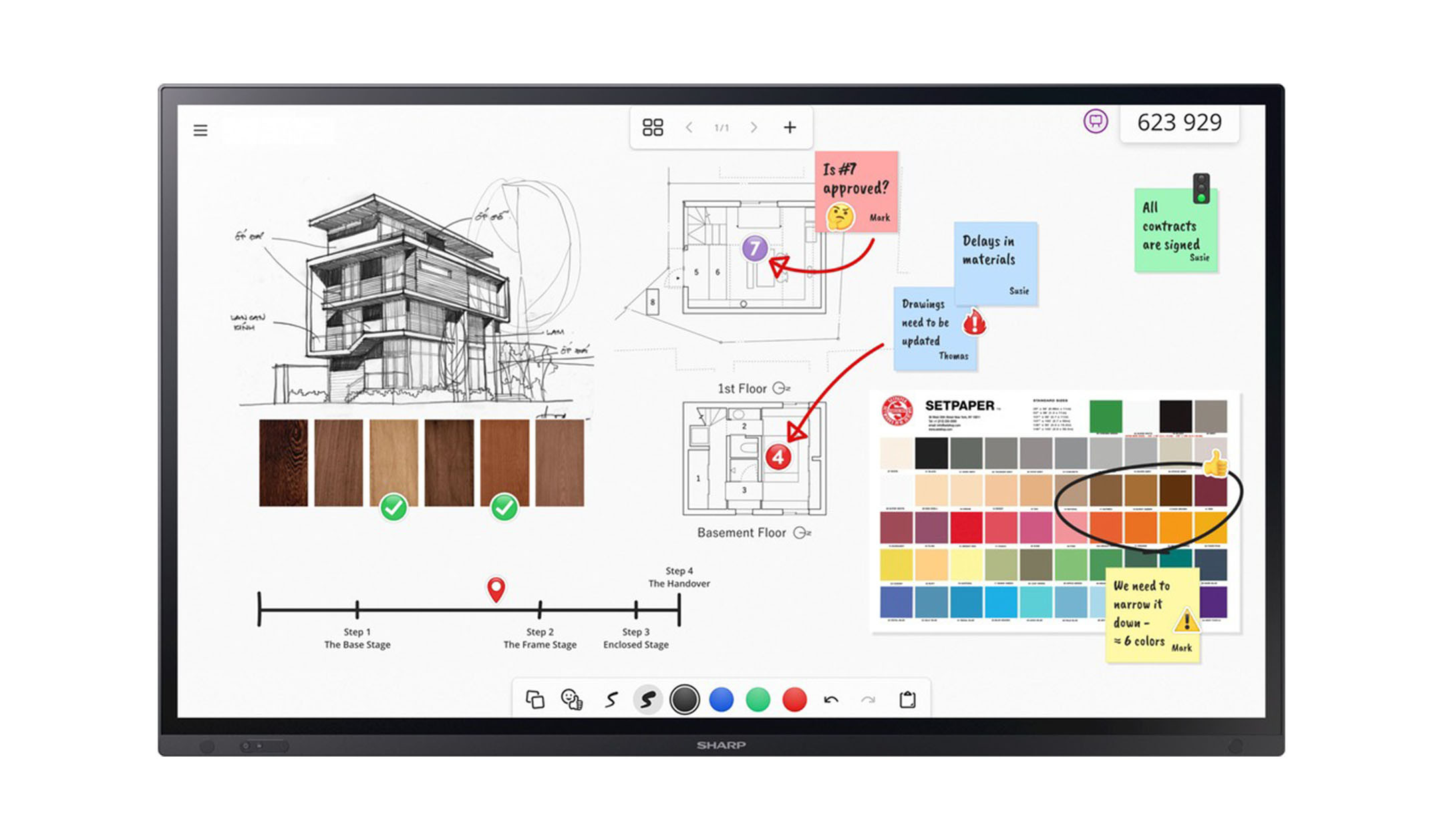
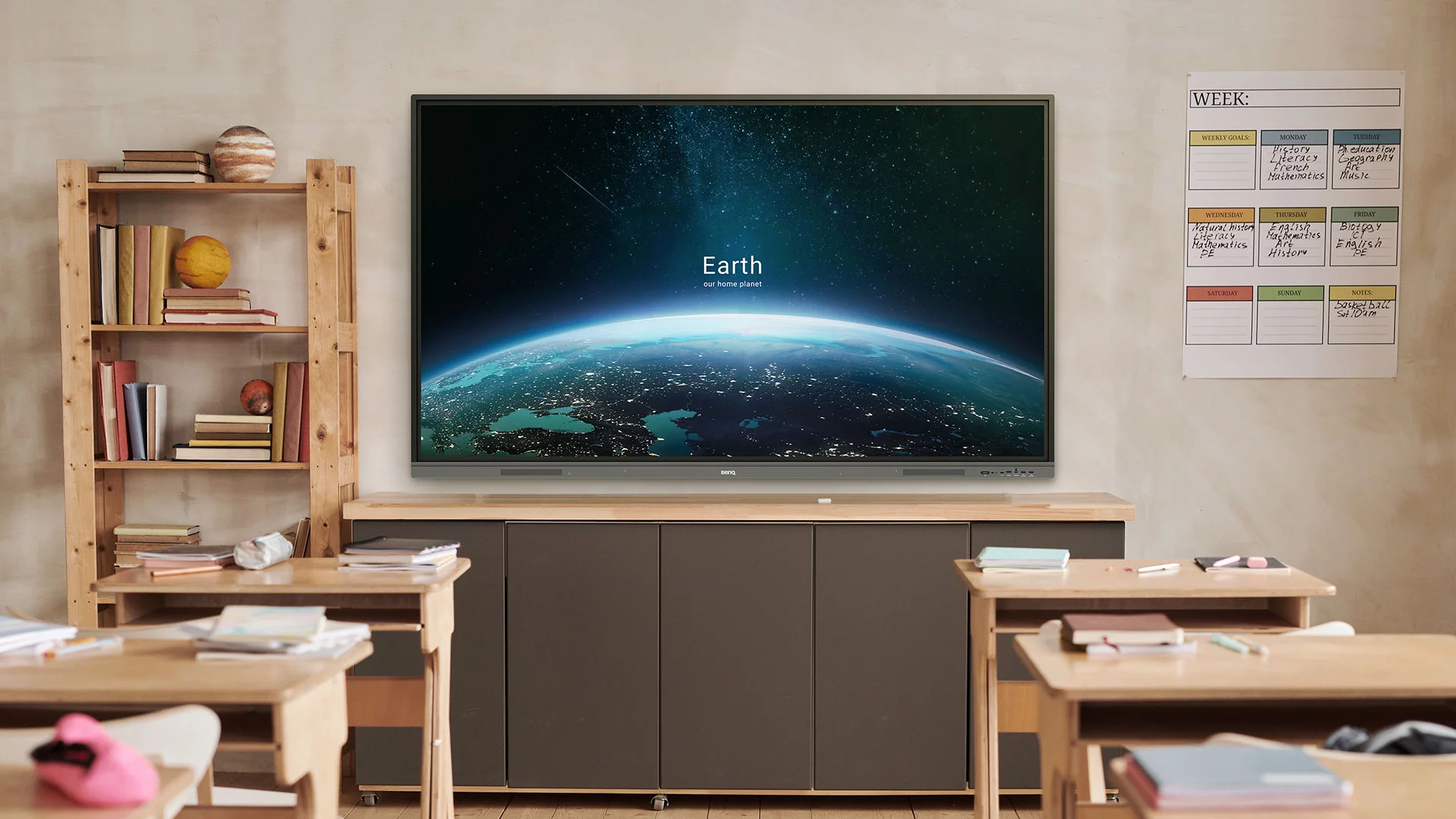
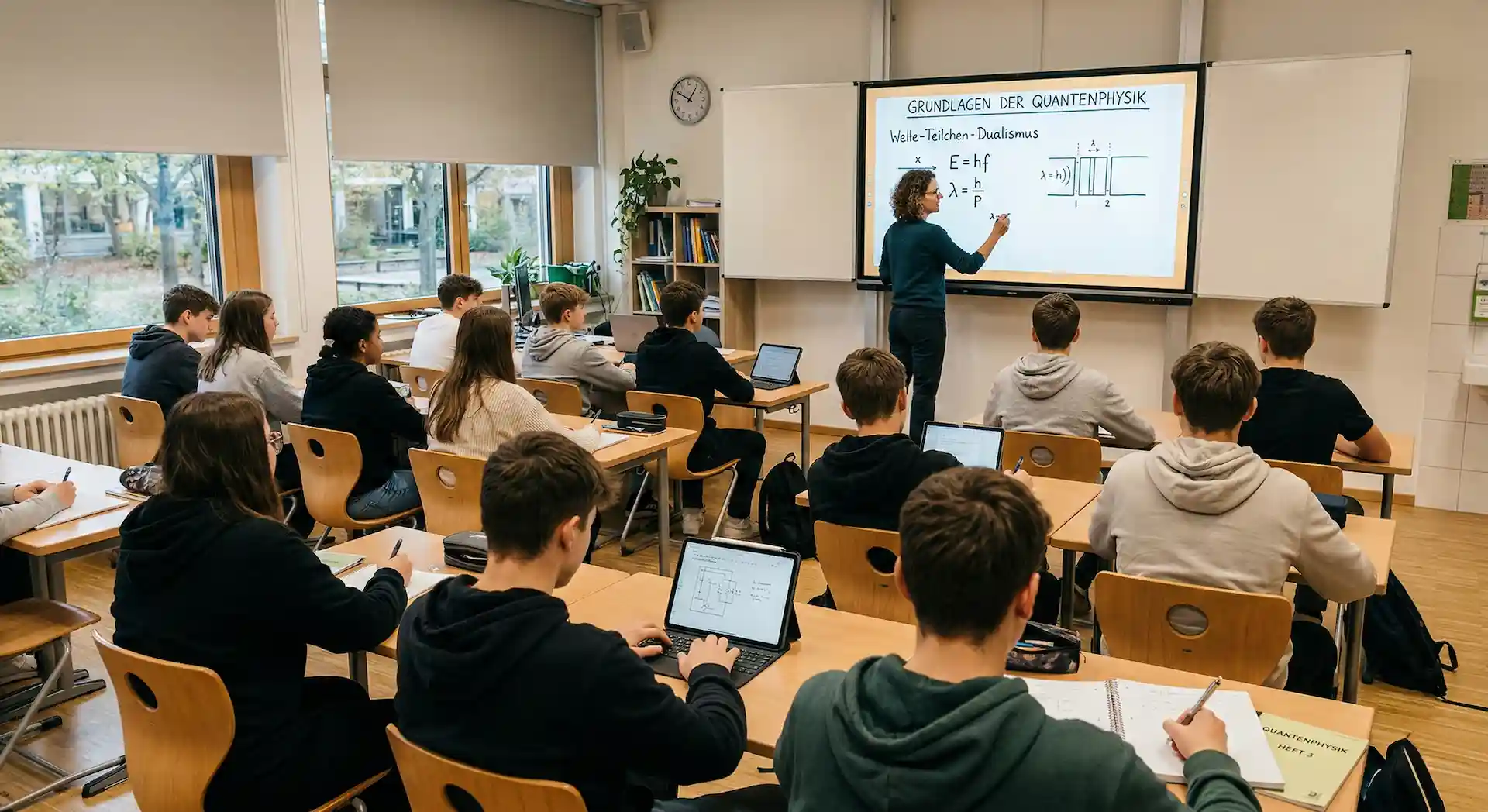
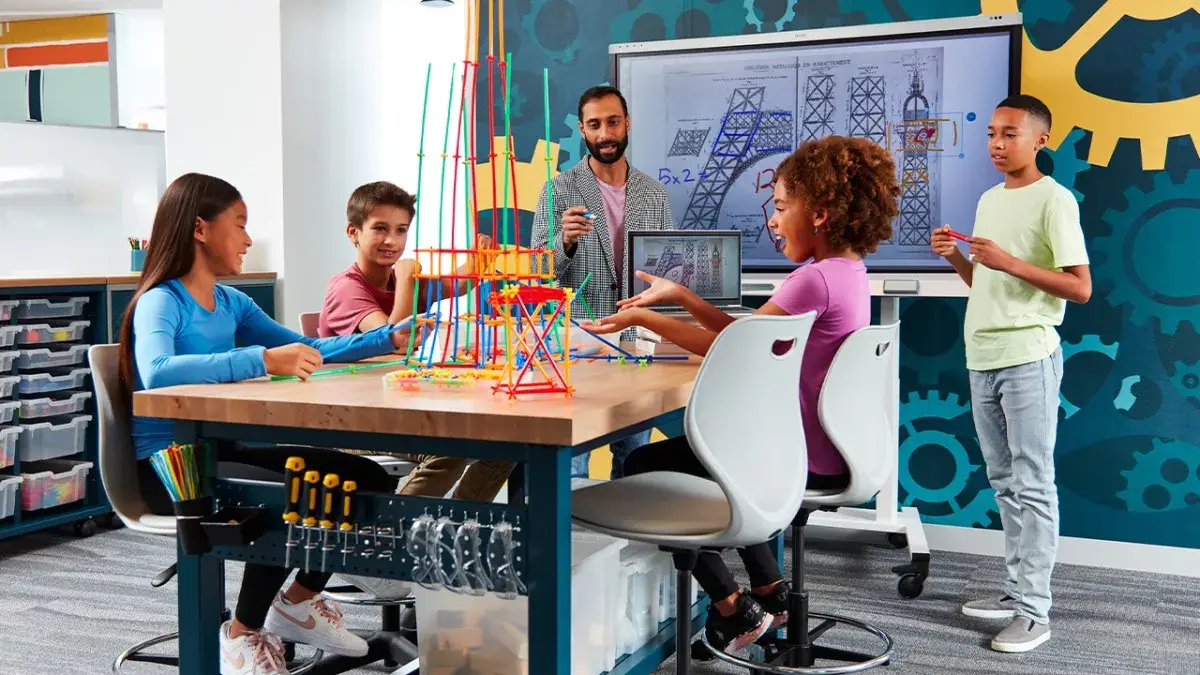
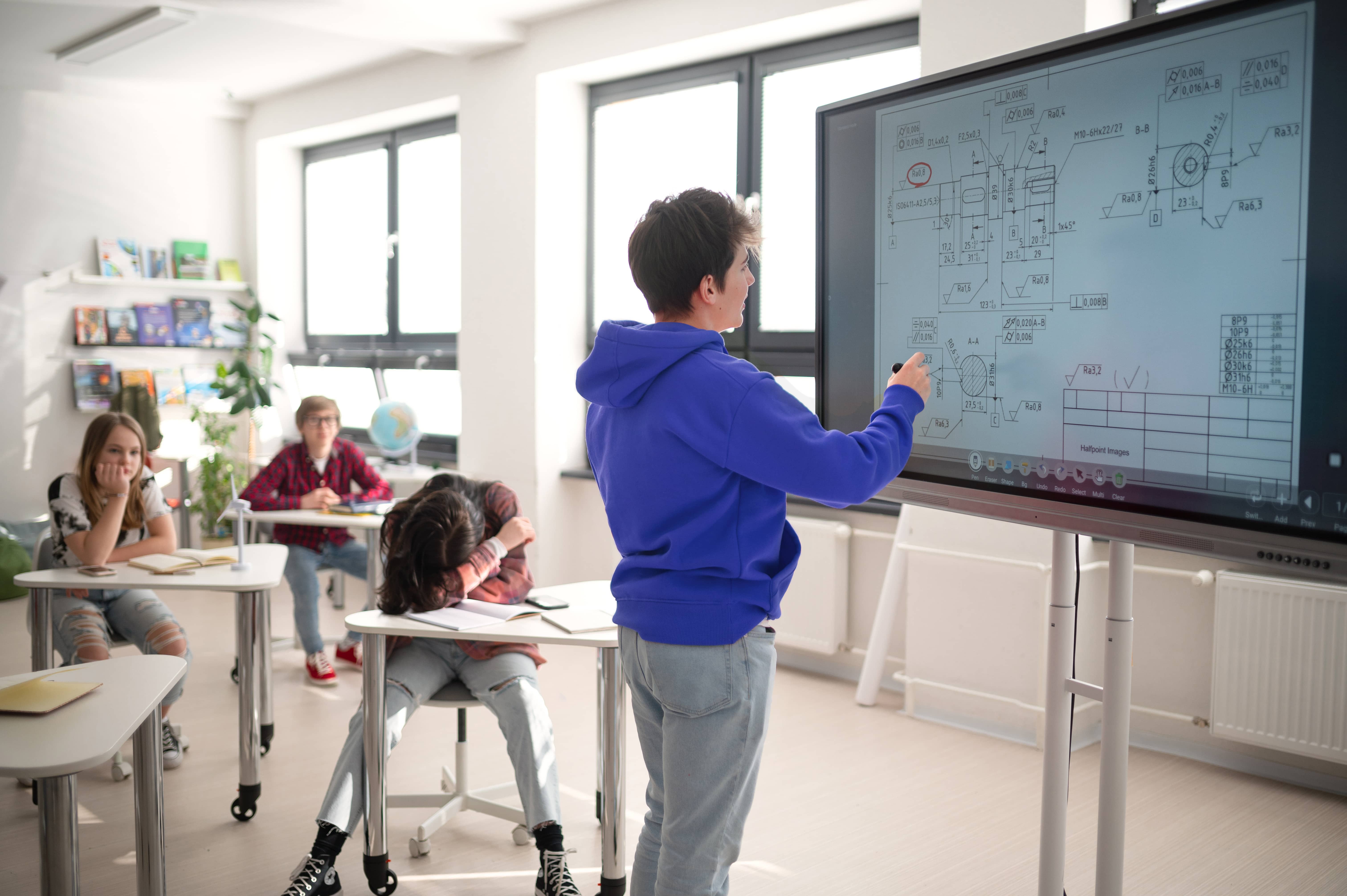
More and more displays are being used in classrooms. As interactive boards, they replace or supplement the classic chalkboard and completely replace the overhead projector. Thanks to the wide range of functions, teachers can design blackboard images and make teaching materials available digitally. Pupils can show the results of their work wirelessly on the display and discuss them in class.

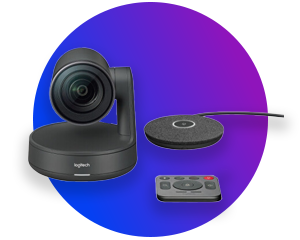
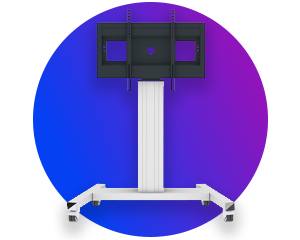
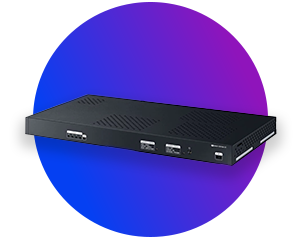
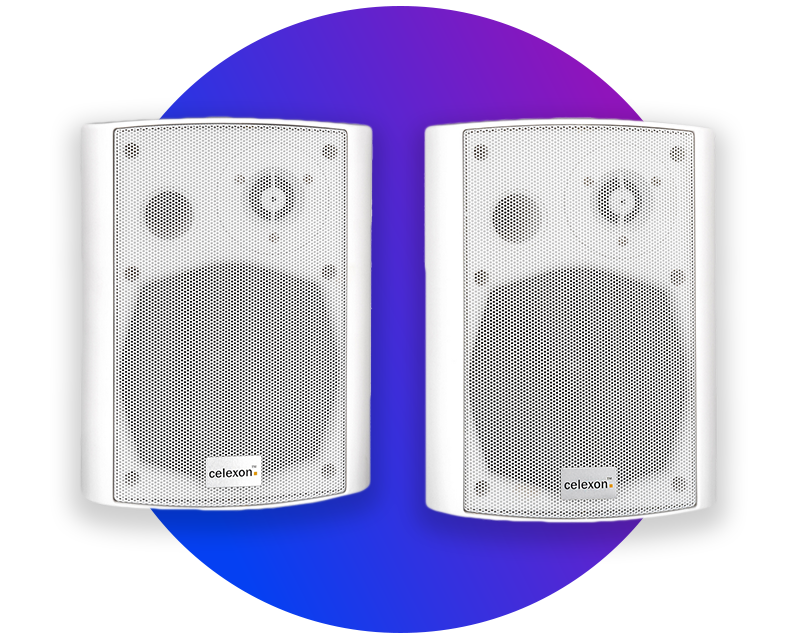
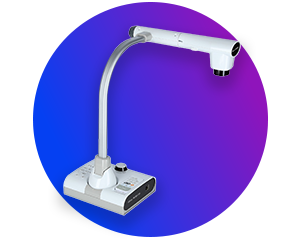
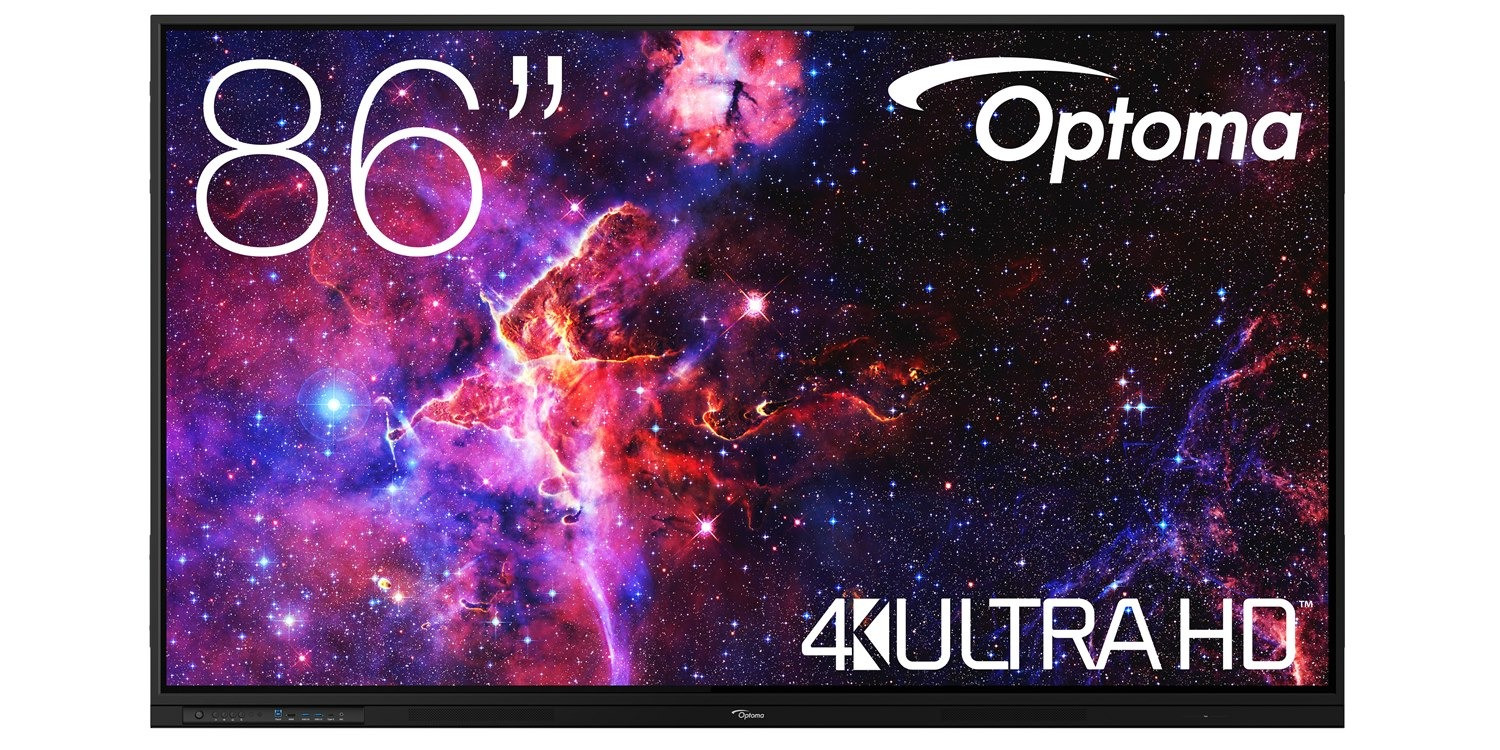
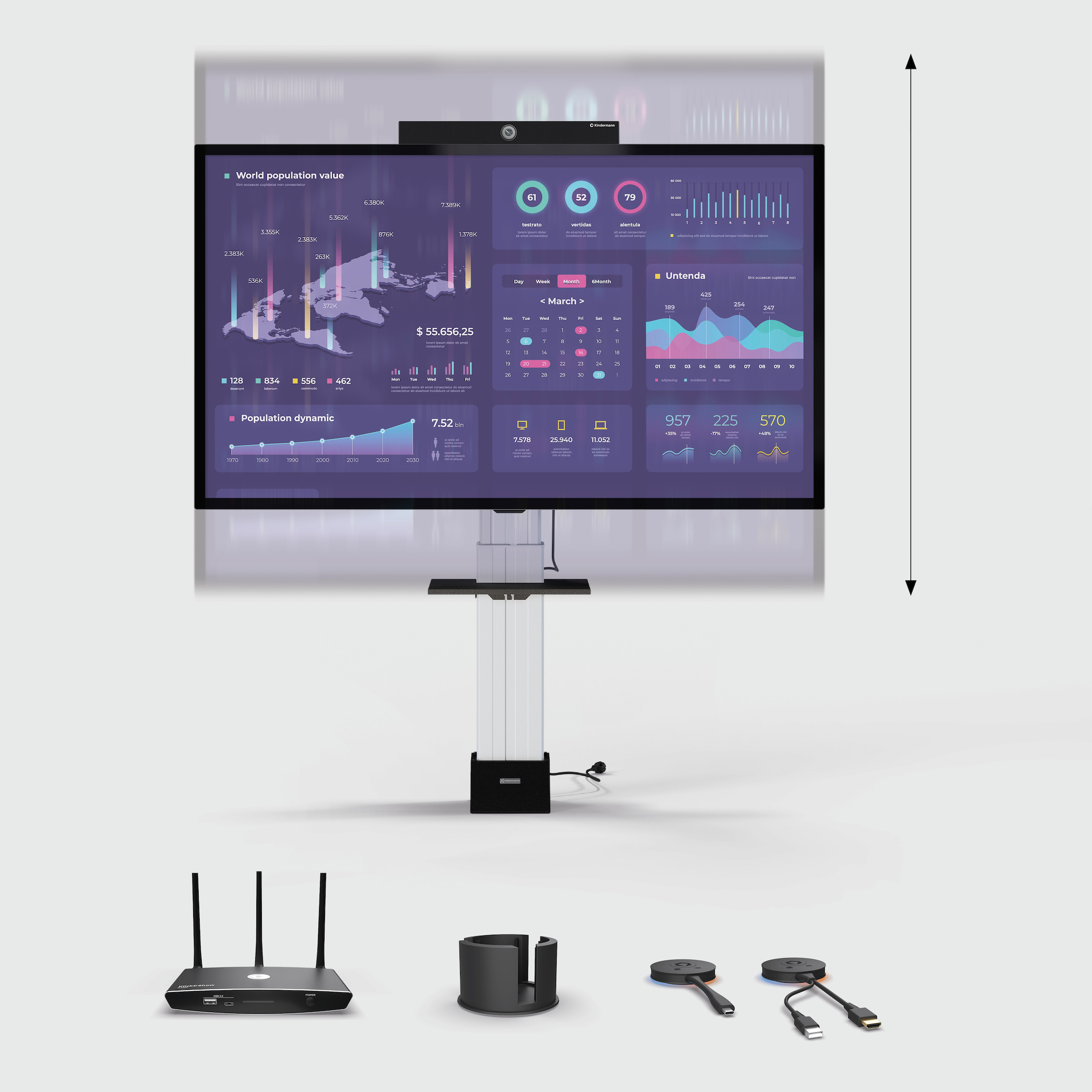
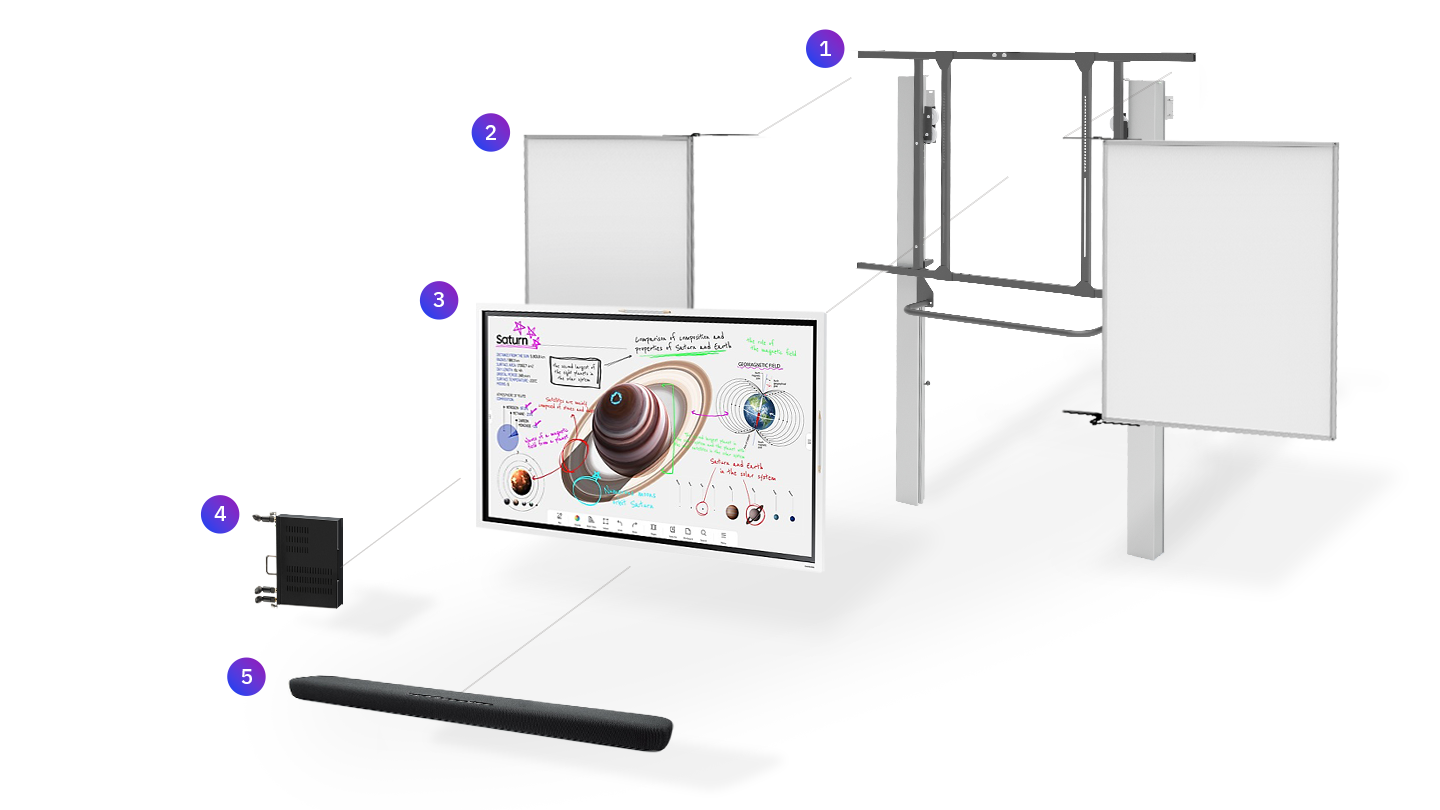
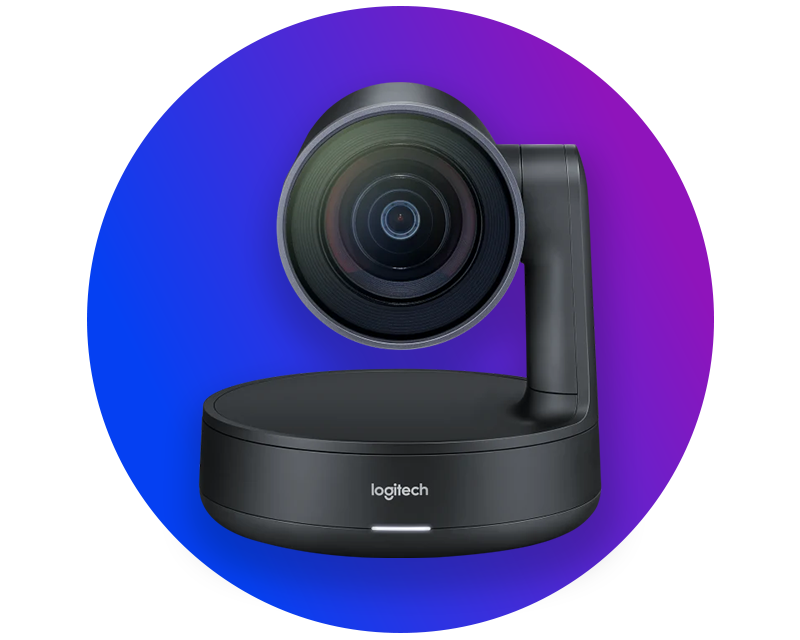
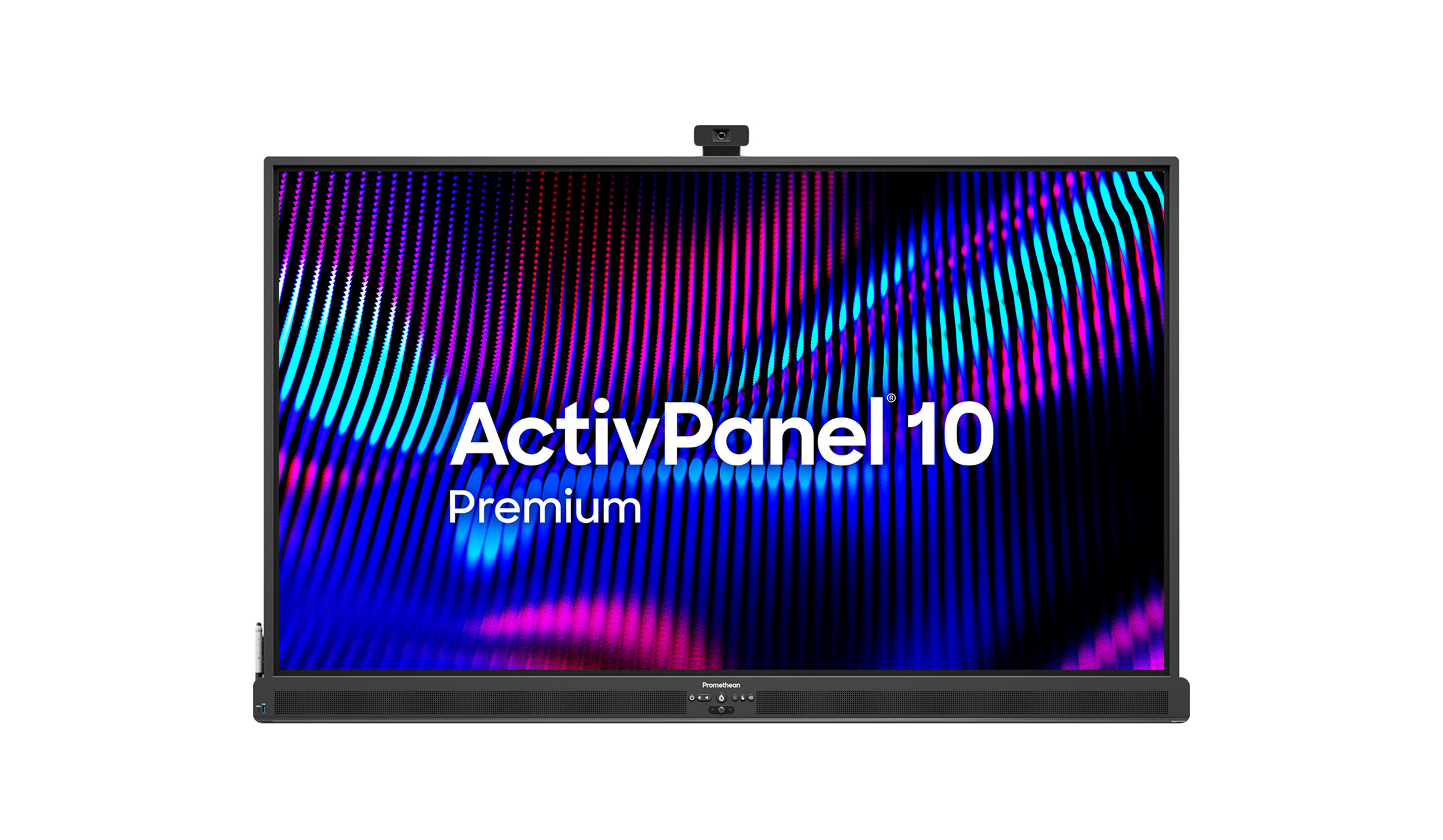
For standard class sizes, a classroom display should have a diagonal of 75 inches or more. Smaller displays can also be used for smaller classes. In combination with pylon systems, OPS PCs, soundbars, document cameras and, if necessary, video conferencing systems, you can equip your classroom with future-proof digital technology. Discover the benefits of classroom displays in the classroom

Our experts will be happy to answer any questions you may have about interactive whiteboard systems.

Advantages of classroom displays for use in the classroom

Both interactive touch displays and touch displays without touch function can be used in the classroom. Both device categories have their own advantages and offer specific application possibilities. In general, all classroom displays are characterised by the following advantages:
display_klassenraum_m__bel

Advantages of classroom displays for use in the classroom

Both interactive touch displays and touch displays without touch function can be used in the classroom. Both device categories have their own advantages and offer specific application possibilities. In general, all classroom displays are characterised by the following advantages:
Content

Which display technologies can be used in the classroom?

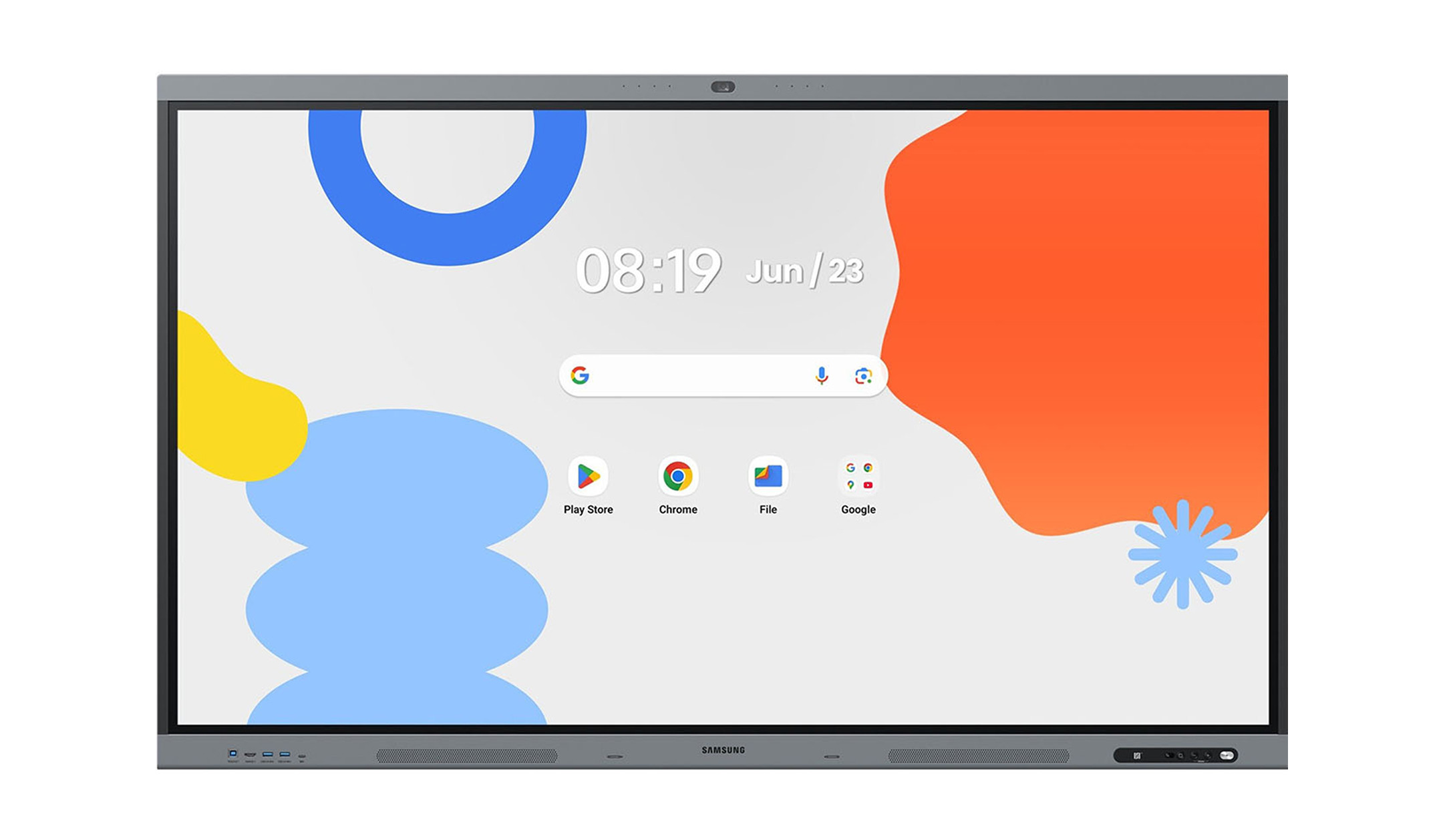
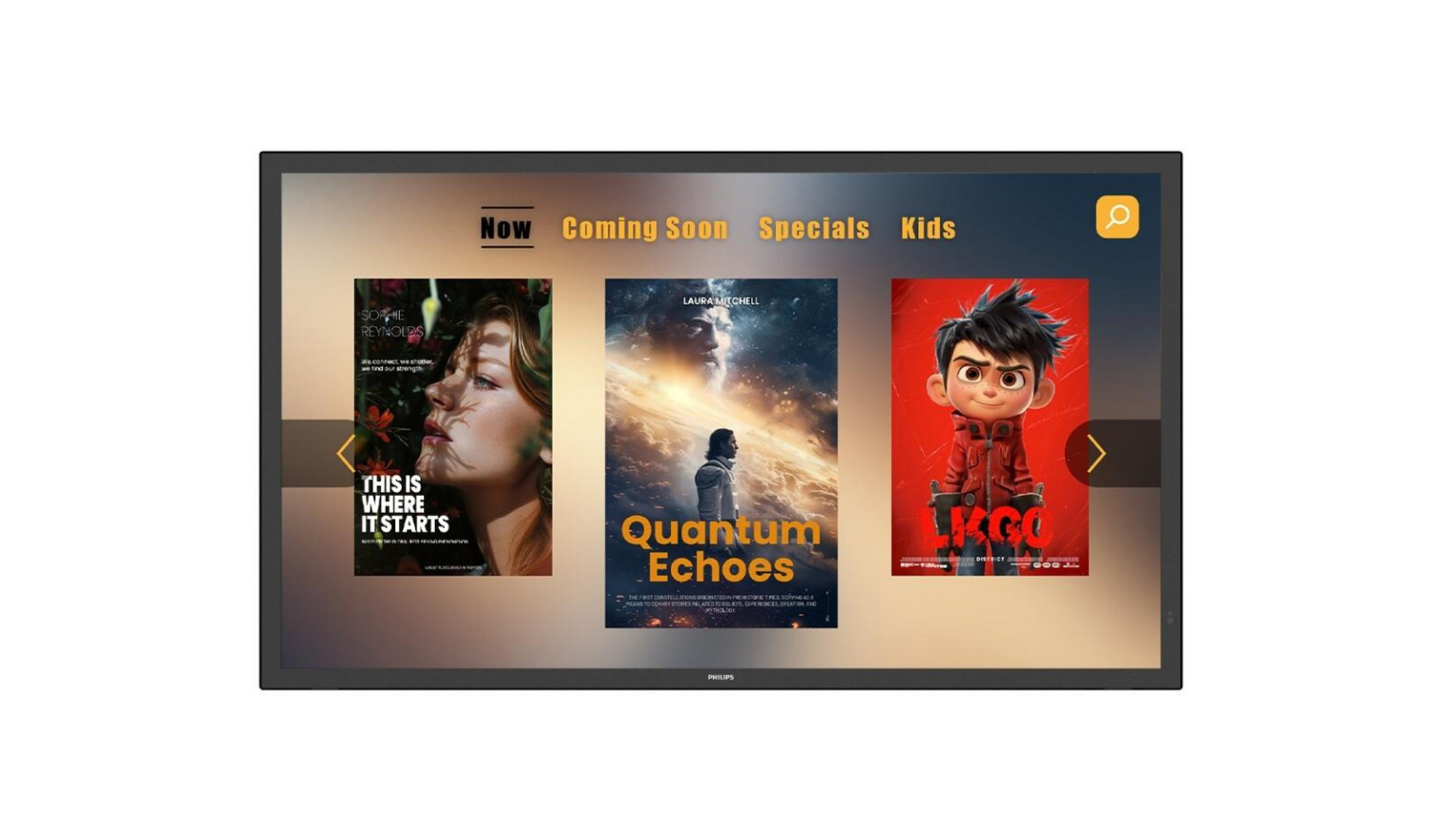
Both interactive touch displays and displays without touch function are used in the classroom. Both technologies can be usefully integrated into lessons. While touch displays focus on direct interaction on the large surface, non-touch displays primarily serve as a display surface for mobile devices.

How can classroom displays be used in the classroom?

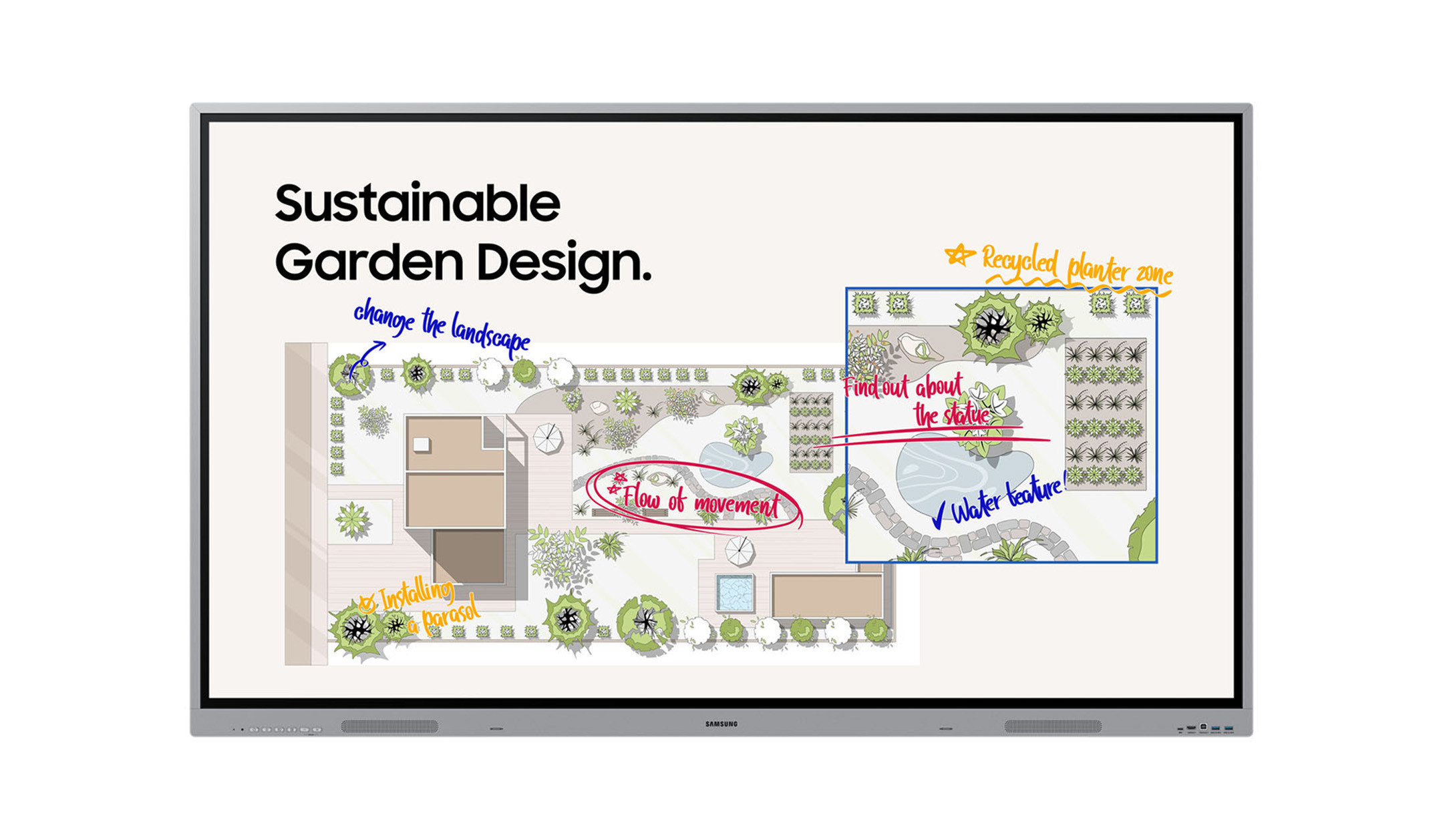
Displays are far more than just a replacement for the chalkboard. They form the digital centrepiece of the classroom, enabling interaction, simplifying preparation and opening up new ways of imparting knowledge. Here are the key applications:

Our partners for the digital classroom

What software is needed for digital teaching?

The software forms the functional link between hardware and digital content. Software solutions are often already integrated into interactive touch displays in particular. Alternatively, they can be retrofitted or supplemented with additional hardware or apps.

  • Interactive whiteboard software: Enables writing, drawing and the use of digital tools such as rulers, shapes and handwriting recognition.
  • Seamless cloud connection: Allows direct access to prepared materials (e.g. via OneDrive or Google Drive) via secure login on the device.
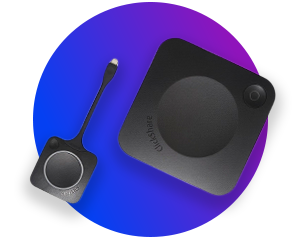
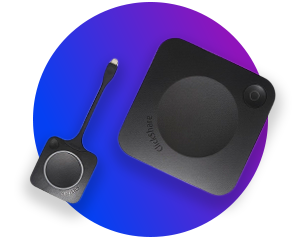
  • Wireless image transmission: Protocols such as AirPlay, Miracast or Chromecast mirror mobile devices to the display wirelessly and without additional adapters.
  • Learning platforms: Compatibility with existing learning management systems enables structured assignment and backup of lesson content.

From classroom display to interactive whiteboard system

To get all you can from classroom displays for teaching and learning and install them as a complete solution in the classroom, they can be supplemented with pylon systems, slot-in PCs or analogue whiteboard wings. This allows you to create a future-proof learning environment. You can find out all about interactive whiteboard systems in our guide!

visunext Contact persons

Do you have any further questions about buying a classroom display?

We will be happy to advise you personally by phone or email! If you would prefer to be called back free of charge, simply leave your contact details.

Loading...
Upload in progress, please be patient ...